New Bat Technology Boosts Exit Velocity by 1.5 MPH

Baseball, at its core, is a game of skill, precision, and power. For decades, players have sought every possible edge to improve their performance, and one area seeing significant evolution is equipment. Specifically, new bat technology is now playing a crucial role, with analysis showing a tangible impact on hitting metrics. Top hitters are experiencing a notable 1.5 MPH increase in exit velocity, a statistic that profoundly affects the game. This improvement isn’t just a marginal gain; it represents a significant shift in how offensive strategies are developed and executed on the field.
The advancements in materials science, engineering, and design have converged to create bats that are more efficient at transferring energy to the ball. This enhanced energy transfer directly translates to the ball leaving the bat at a higher speed, giving fielders less time to react and increasing the likelihood of extra-base hits. Understanding the intricacies of this bat technology exit velocity relationship is key to appreciating the modern game. It’s a testament to how innovation continues to shape even the most traditional sports, pushing the boundaries of what athletes can achieve.
The Science Behind Increased Exit Velocity
The pursuit of greater exit velocity in baseball is a constant endeavor for players and equipment manufacturers alike. At the heart of this quest lies the science of bat-ball collision. When a bat strikes a ball, a complex transfer of energy occurs. New bat technology aims to optimize this transfer, ensuring that as much of the bat’s kinetic energy as possible is imparted to the ball. This involves careful consideration of the bat’s weight distribution, material composition, and overall design. Engineers use advanced computer modeling and high-speed cameras to analyze these collisions, fine-tuning every aspect for maximum performance.
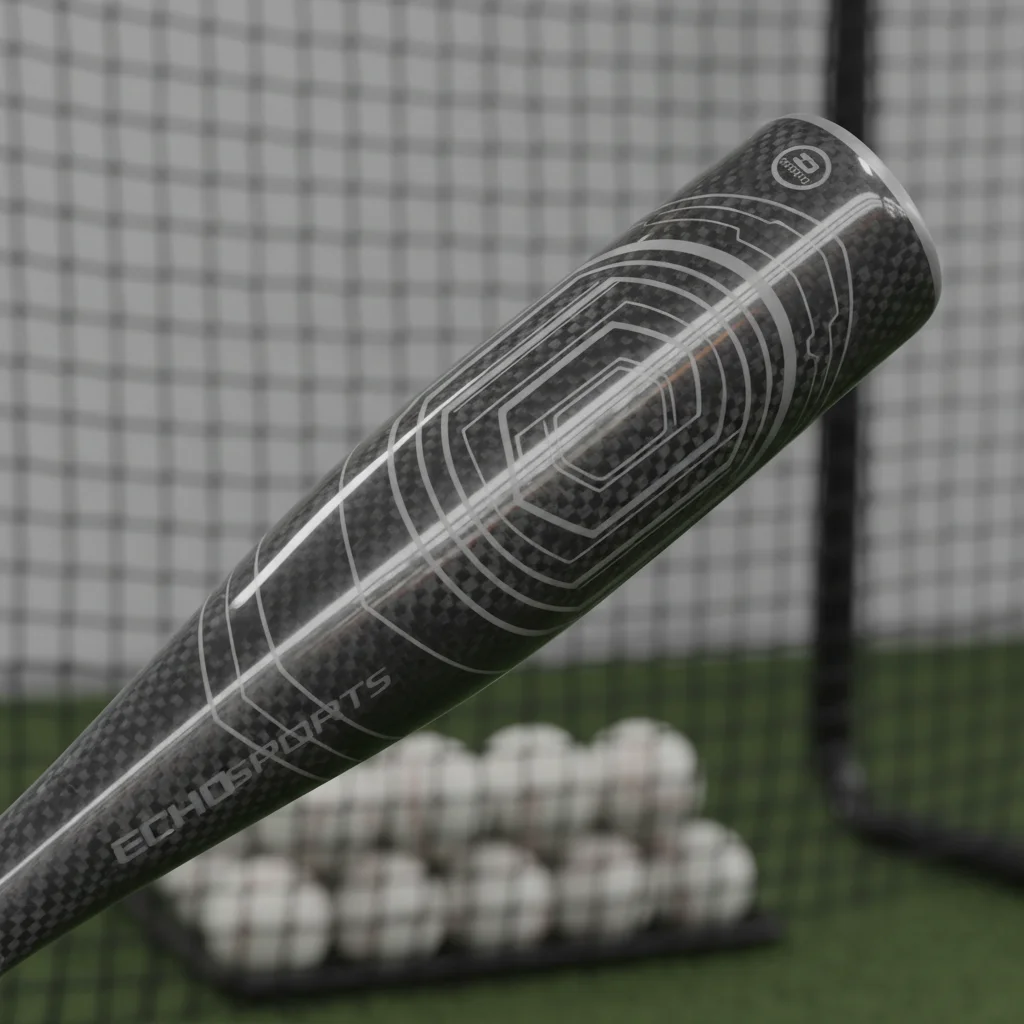
One of the primary factors contributing to increased exit velocity is the development of advanced composite materials. Unlike traditional aluminum or wood bats, composites can be engineered with varying stiffness and flexibility across different sections of the barrel. This allows for a larger sweet spot and a trampoline effect, where the bat barrel flexes inward slightly upon impact and then springs back, launching the ball with greater force. The precise layering of these materials, often carbon fiber and other polymers, is critical to achieving the desired performance characteristics without compromising durability. Manufacturers are continually experimenting with new blends and construction methods to push these boundaries further.
Another area of scientific advancement focuses on the moment of inertia (MOI) and swing weight. A bat with a lower swing weight, despite having the same overall mass, can be swung faster, leading to higher bat speed at impact. However, a heavier bat often provides more power. Modern bat design seeks to find the optimal balance, often by distributing weight strategically. This might involve placing more mass in the barrel for power while keeping the overall swing weight manageable for quicker bat speed. The goal is to maximize the energy transferred to the ball, directly translating into the observed 1.5 MPH increase in exit velocity.
Evolution of Bat Materials and Design
The materials used in baseball bats have undergone a dramatic transformation over the years, moving from solid wood to sophisticated alloys and, most recently, advanced composites. This evolution is central to understanding the improvements in bat technology and its impact on exit velocity. Early wooden bats, while classic, offered limited performance consistency due to natural variations in grain and density. The introduction of aluminum bats revolutionized the game by providing greater durability and a more consistent hitting surface. However, even aluminum bats had their limitations in terms of maximizing the trampoline effect.
Modern composite bats represent the pinnacle of this material science journey. These bats are constructed from multiple layers of synthetic materials, primarily carbon fiber, bonded together with resins. This layered construction allows engineers to precisely control the flexibility and strength of different parts of the bat. For instance, the barrel can be designed to be more flexible, creating a larger sweet spot and enhancing the trampoline effect, while the handle remains stiff for better control. This level of customization was impossible with single-material bats, allowing for a significant leap in performance capabilities.
Key Material Innovations
- Carbon Fiber Composites: Lightweight yet incredibly strong, allowing for optimized weight distribution and increased bat speed.
- Multi-Wall Construction: Multiple layers within the barrel create a spring-like effect upon impact, enhancing ball exit speed.
- Vibration Dampening: Integrated materials in the handle reduce sting and improve feel, allowing hitters to swing harder with more confidence.
- Thermosetting Resins: Bind composite layers together, providing durability and maintaining structural integrity under repeated high-impact forces.
Beyond materials, the design philosophy has also shifted. Engineers now focus on optimizing the moment of inertia (MOI) and the center of percussion to create bats that feel lighter to swing but still deliver maximum power. This intricate balance of material science and ergonomic design is what drives the consistent improvements in bat technology exit velocity metrics, giving hitters an unprecedented advantage.
Impact on Player Performance and Training
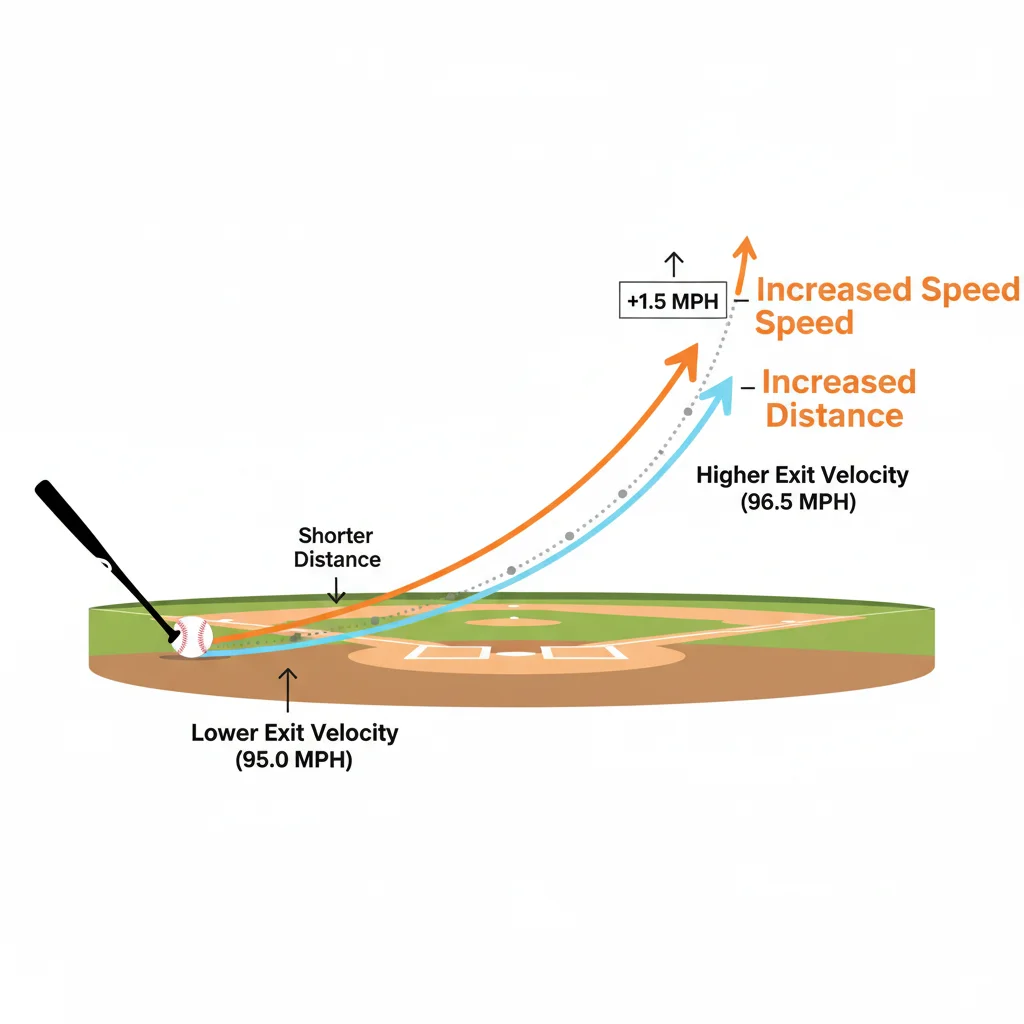
The advent of advanced bat technology has not only changed the equipment but has also had a profound effect on player performance and the way athletes train. The 1.5 MPH increase in exit velocity, while seemingly small, translates to a significant difference in ball flight and reaction time for fielders. For hitters, this means that well-struck balls are more likely to find gaps, travel further, and result in extra-base hits or home runs. This empowers hitters to be more aggressive at the plate, knowing their contact has a higher probability of success.
Coaches and trainers have had to adapt their methodologies to leverage these technological advancements. Batting practice now often incorporates launch monitors and radar guns to provide immediate feedback on exit velocity, allowing players to fine-tune their swing mechanics for maximum power transfer. Training drills are designed to build bat speed and strength, but also to help hitters understand how to best utilize the sweet spot of their high-tech bats. This data-driven approach to training ensures that players are not just swinging harder, but swinging smarter.
Furthermore, the increased consistency and larger sweet spot offered by new bats can boost a hitter’s confidence. Knowing that solid contact is more forgiving can reduce pressure and allow players to relax and focus on their approach. This psychological edge, combined with the physical benefits, contributes to overall improved offensive output across various levels of play. The synergy between athlete, technology, and training creates a powerful dynamic that continues to push the boundaries of hitting prowess in baseball. It’s a continuous cycle of innovation and adaptation that keeps the game exciting.
The Role of Data Analytics in Bat Development
The journey of a new bat from concept to field-ready equipment is heavily influenced by sophisticated data analytics. Manufacturers no longer rely solely on anecdotal evidence or player feel; instead, they employ rigorous testing and data collection to validate and refine their designs. High-speed cameras capture every millisecond of the bat-ball collision, providing invaluable data on contact points, deformation, and energy transfer. This granular information allows engineers to pinpoint areas for improvement and confirm the effectiveness of new material compositions or design adjustments.
Performance metrics such as exit velocity, launch angle, and spin rate are meticulously tracked during testing phases. These metrics are crucial for understanding how different bat prototypes perform under various conditions. For instance, a slight alteration in barrel thickness might lead to a measurable increase in exit velocity for certain swing speeds, which analytics can quickly identify. This iterative process of design, test, analyze, and refine is fundamental to achieving the consistent performance gains seen in modern bats, including the significant 1.5 MPH increase in exit velocity.
Beyond the lab, professional teams and organizations are also leveraging data analytics to inform their equipment choices. They analyze player-specific data to recommend bats that best suit individual swing styles and strengths. This personalized approach ensures that players are equipped with tools that maximize their unique capabilities. The integration of data analytics throughout the entire bat development and selection process underscores its critical role in enhancing hitting performance and driving the ongoing evolution of bat technology exit velocity. It’s a clear example of how scientific methods are transforming sports equipment.
Future Trends in Bat Technology
The relentless pursuit of innovation in baseball equipment suggests that the evolution of bat technology is far from over. As materials science continues to advance, we can anticipate even more sophisticated designs and performance enhancements. One prominent future trend involves the further integration of smart technology directly into bats. Imagine bats with embedded sensors that provide real-time feedback on swing mechanics, bat speed, and contact quality, directly to a player’s device or coach’s tablet. This could revolutionize individual training, offering immediate, actionable insights without external tracking systems.
Another area of potential development lies in dynamic or adaptive materials. While current composite bats offer a fixed level of flexibility, future bats might incorporate materials that can subtly adjust their properties based on the impact force or even the temperature. This could lead to bats that perform optimally across a wider range of conditions or for different types of pitches. The goal would be to maintain or even further increase the bat technology exit velocity advantage, ensuring every hit is as powerful and efficient as possible. Such advancements would require breakthroughs in material science, but the potential benefits are immense.
Furthermore, sustainability and environmental impact are likely to become increasingly important considerations in bat manufacturing. As companies strive for more eco-friendly practices, we may see the development of high-performance bats made from recycled or biodegradable composite materials. Balancing performance with environmental responsibility will be a key challenge and opportunity for future bat designers. The continuous drive for marginal gains, combined with a focus on smart features and sustainable practices, paints an exciting picture for the next generation of baseball bats, promising even greater advancements in player performance.
Frequently Asked Questions
What exactly is exit velocity in baseball?
Exit velocity is the speed at which the baseball leaves the bat immediately after contact. It’s measured in miles per hour (MPH) and is a key indicator of how hard a ball was hit, directly correlating with the likelihood of a hit or extra-base hit.
How does a 1.5 MPH increase in exit velocity impact a game?
A 1.5 MPH increase can significantly reduce the time fielders have to react to a batted ball. It can turn a routine fly ball into a deep drive, or a hard ground ball into a line drive through the infield, leading to more hits, extra-base hits, and home runs.
Are these new bat technologies available to all players, or just professionals?
While professional leagues often have specific bat regulations, the underlying technologies developed for elite performance often trickle down to amateur and collegiate levels. Many advanced composite bats are widely available for players across different age groups, albeit with varying regulations.
Do these advanced bats have a shorter lifespan than traditional bats?
Modern composite bats are engineered for both performance and durability. While they can be more susceptible to temperature changes or specific types of impact compared to aluminum, manufacturers continuously work to improve their longevity. Proper care and usage are still important for maximizing their lifespan.
What regulations exist for bat technology in different baseball leagues?
Regulations vary significantly by league. Major League Baseball (MLB) exclusively uses wood bats. Collegiate (NCAA) and high school (NFHS) baseball have specific standards (like BBCOR) for non-wood bats to ensure fair play and prevent excessive performance advantages. These regulations aim to balance technological advancement with the integrity of the game.
Official Resources
- Major League Baseball Official Site
- National Collegiate Athletic Association (NCAA)
- National Federation of State High School Associations (NFHS)
- USA Baseball
- Sports & Fitness Industry Association (SFIA)
Conclusion
The evolution of bat technology has undeniably reshaped the offensive landscape of baseball, with the observed 1.5 MPH increase in exit velocity for top hitters serving as a clear testament to these advancements. This isn’t merely a statistical footnote; it represents a fundamental shift in how power is generated and transferred at the plate. From sophisticated composite materials to data-driven design processes, every aspect of modern bat development is geared towards maximizing a hitter’s potential. The impact extends beyond just the equipment, influencing player training, coaching strategies, and the overall dynamic of the game.
As we look to the future, the integration of smart technology, adaptive materials, and a growing emphasis on sustainability promise even more groundbreaking innovations. These ongoing developments underscore baseball’s unique blend of tradition and technological progress. For fans, players, and coaches alike, understanding this intricate relationship between bat technology exit velocity is crucial for appreciating the heightened level of athleticism and strategic depth now present in the sport. The game continues to evolve, propelled forward by the relentless pursuit of excellence, one powerful swing at a time.