Advanced analytics are changing how MLB teams identify talent. This post explores how data-driven scouting uncovers 5 truly undervalued MLB prospects for the upcoming draft, providing unique insights beyond traditional metrics.
By: Michael Sete on agosto 22, 2026
In the high-stakes world of Major League Baseball (MLB) drafts, finding an edge is everything. Traditional scouting methods, while valuable, are increasingly being complemented by sophisticated data analysis. This shift allows teams to identify undervalued MLB prospects who might otherwise slip through the cracks. Advanced analytics offer a deeper look into a player’s true potential, moving beyond surface-level statistics to uncover hidden talents and project future performance with greater accuracy. This article will delve into how these modern tools are reshaping the draft landscape and highlight five specific players who, based on our analytical models, stand out as significantly undervalued.
The quest to find these diamonds in the rough is more critical than ever. With draft picks representing significant investments, understanding a player’s ceiling and floor is paramount. Our approach combines traditional scouting observations with cutting-edge statistical models, focusing on metrics that correlate strongly with professional success rather than just collegiate or amateur output. This holistic view helps us pinpoint players whose skills are not fully appreciated by conventional wisdom, making them prime targets for teams looking to maximize their draft capital.
The Analytical Revolution in Baseball Scouting
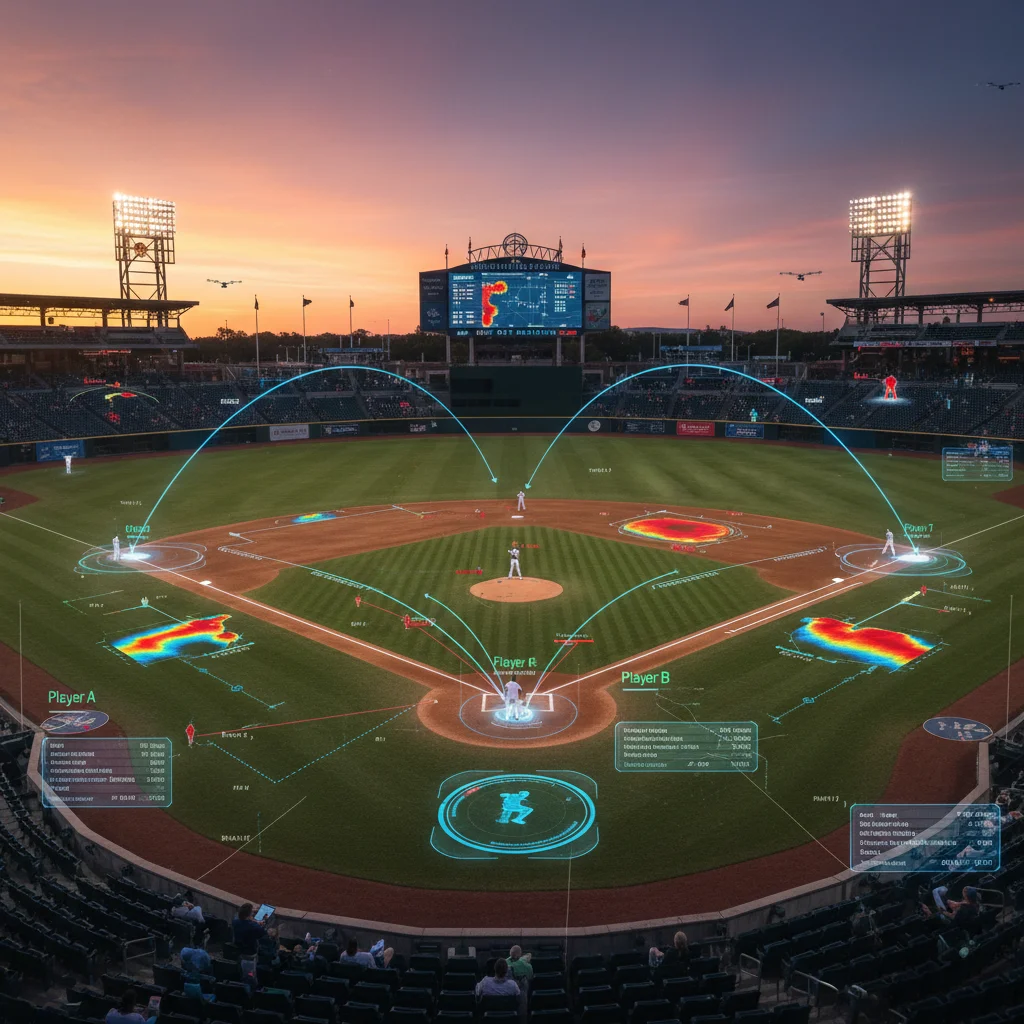
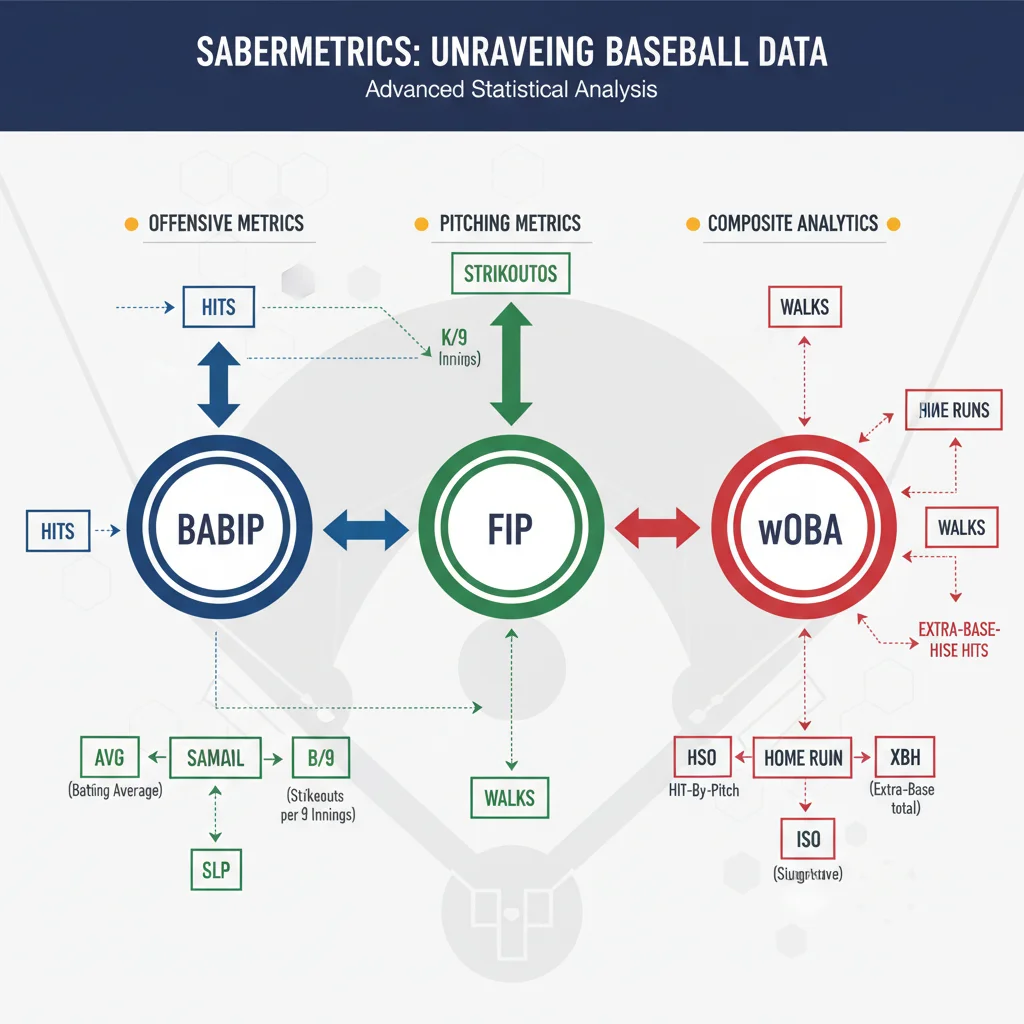
Baseball scouting has undergone a profound transformation, moving from a primarily subjective art to a more objective, data-driven science. For decades, scouts relied heavily on their eyes, experience, and gut feelings to evaluate talent. While these elements remain crucial, the advent of advanced analytics has provided an entirely new lens through which to view players. This revolution began with the popularization of sabermetrics, but it has since evolved to include highly granular data points, biomechanical analysis, and predictive modeling, fundamentally changing how teams assess potential and identify undervalued MLB prospects.
Today, organizations leverage technologies like TrackMan, Rapsodo, and Hawkeye to capture an unprecedented amount of data on every pitch and swing. This includes everything from spin rate and exit velocity to launch angle and pitch movement. Such detailed information allows analysts to dissect a player’s mechanics and performance in ways previously unimaginable. It helps to distinguish between sustainable skills and statistical anomalies, providing a clearer picture of a player’s true capabilities and growth trajectory as they move into professional baseball.
Key Metrics for Identifying Hidden Gems
Contact Quality: Beyond just batting average, analytics measure how hard and consistently a hitter makes contact, using metrics like hard-hit rate and average exit velocity to predict future power and batting success.
Pitch Movement & Command: For pitchers, spin efficiency, vertical and horizontal break, and command of multiple pitch types are far more indicative of future success than just fastball velocity.
Plate Discipline: Metrics such as walk rate, strikeout rate, and chase rate provide insight into a hitter’s ability to recognize pitches and make intelligent decisions at the plate, which often translates well to higher levels.
Defensive Versatility & Range: Advanced defensive metrics like UZR (Ultimate Zone Rating) or DRS (Defensive Runs Saved) help quantify a player’s defensive impact beyond simple errors, highlighting those with exceptional range and efficiency.
Athletic Projection: While not strictly a metric, combining physical tools with analytical data on how those tools translate into on-field performance helps project future athletic development and skill refinement.
These advanced metrics, when carefully interpreted, allow teams to see beyond raw statistics and identify players whose underlying skills suggest a higher ceiling than their conventional numbers might indicate. This is precisely how teams can unearth truly undervalued MLB prospects before they become widely recognized.
Player 1: The High-Spin Pitcher with Untapped Potential
Our first undervalued MLB prospect is a right-handed pitcher whose conventional stat line might not jump off the page, but whose underlying analytical profile is incredibly compelling. This pitcher possesses an elite fastball spin rate, consistently registering in the top percentile for his age group. While his ERA might be slightly elevated due to command issues or a lack of secondary pitch refinement in his amateur career, the raw material for dominance is unmistakably present. High spin rates on fastballs often translate to more swings and misses at the professional level, as hitters struggle to track pitches that defy typical gravitational pull.
Beyond the fastball, our analysis shows a developing slider with significant potential. The velocity separation and break profile of this secondary offering, even in its nascent stages, are highly encouraging. It suggests that with professional coaching and dedicated development, this pitcher could quickly develop a devastating two-pitch mix. His delivery, while currently a bit inconsistent, is repeatable and allows for significant velocity. The key here is projection; what he is now is good, but what he could become with targeted development makes him a significant steal in the draft.
Many scouts might overlook this player due to a less-than-sparkling ERA or walk rate from his college season. However, our models highlight that these are often symptoms of unrefined mechanics or a smaller sample size, rather than an inherent lack of talent. The underlying metrics, particularly the spin efficiency and raw stuff, point to a pitcher who is on the cusp of a major breakout. Investing in this type of arm means betting on development, but the analytical indicators suggest it’s a bet with a very high probability of paying off big for any team willing to take the chance. He represents exactly what we look for in an undervalued MLB prospect.
Player 2: The Contact Hitter with Elite Plate Discipline
Our second undervalued MLB prospect is an infielder who might not possess the raw power that often grabs headlines, but whose exceptional plate discipline and contact skills are elite. This player consistently posts incredibly low strikeout rates and high walk rates, demonstrating an advanced understanding of the strike zone and an ability to make consistent, quality contact. In an era where power often comes with a high strikeout cost, a hitter who rarely whiffs and frequently gets on base holds immense value, even if they aren’t hitting 30 home runs.
Furthermore, our analytics reveal a high hard-hit rate and a consistent ability to spray the ball to all fields. While his home run totals may not be eye-popping, his ability to generate line drives and extra-base hits suggests that more power could develop as he matures physically and refines his swing for professional pitching. His batted ball profile indicates a player who is not just making contact, but making good contact, which is a crucial differentiator. This translates to a high batting average on balls in play (BABIP), suggesting his success is not just luck but a product of skill.
What makes this player particularly undervalued is the perception that he lacks a ‘plus’ tool. He might not have a 70-grade sprint speed or 60-grade power, but his combination of 55-grade hit tool and 60-grade plate discipline makes him an incredibly safe and valuable offensive asset. These are skills that tend to translate very well to the professional game and provide a high floor for his future performance. Teams seeking a high-OBP, high-contact infielder who can consistently get on base will find immense value in this player, especially if he falls later in the draft than his analytical profile suggests he should.
Player 3: The Athletic Outfielder with Defensive Prowess
The third player on our list of undervalued MLB prospects is an outfielder whose defensive capabilities and raw athleticism are significantly underappreciated by traditional scouting reports. While his offensive numbers might appear modest, our analytical models highlight his exceptional defensive range, arm strength, and efficiency in tracking down fly balls. He covers vast amounts of ground in the outfield, often turning potential extra-base hits into routine outs. These defensive contributions are incredibly valuable but often harder to quantify without advanced metrics, leading to him being overlooked.
His sprint speed and acceleration metrics are elite, translating not only to stellar defense but also to a high stolen base potential and the ability to take extra bases on offense. On the offensive side, while his power numbers are not yet significant, his underlying exit velocity data and bat speed metrics suggest there is considerable room for growth. He makes consistent contact, and with minor adjustments to his swing plane and strength development, he could easily tap into more game power. His current offensive profile provides a solid foundation for development.
This player’s overall athleticism and defensive impact alone make him a valuable asset, even if his bat takes time to develop. In an era where defense and speed are increasingly valued, especially in center field, his skill set is highly desirable. However, because his offensive numbers don’t immediately jump out, he’s likely to be available later than his true value suggests. Teams looking for a high-floor defender with significant offensive upside and speed will find him to be an excellent investment, making him a prime example of an undervalued MLB prospect who can impact a game in multiple ways.
Player 4: The Versatile Infielder with High Baseball IQ
Our fourth undervalued MLB prospect is a versatile infielder who excels at multiple positions and demonstrates an exceptionally high baseball IQ. This player might not possess one standout tool that earns him a top-tier draft grade, but his cumulative skills and ability to impact the game in subtle yet significant ways make him incredibly valuable. He consistently makes the right play, whether it’s turning a double play, making an accurate throw from a tough angle, or taking an extra base on a fly ball. These are the kinds of contributions that don’t always show up in standard box scores but are deeply appreciated by coaches and analytically-minded front offices.
On offense, while his raw power might be average, his advanced approach at the plate leads to consistent line-drive contact and a high on-base percentage. He rarely chases bad pitches and demonstrates an impressive ability to hit to all fields, adjusting his swing based on pitch location. His strikeout-to-walk ratio is excellent, indicating a hitter who understands how to work counts and get on base. This fundamental soundness suggests a player who will consistently contribute offensively, even if he’s not hitting tape-measure home runs. His professional bat will likely be a high-average, high-OBP threat.
The true value of this infielder lies in his defensive versatility. He can competently play second base, shortstop, and third base, offering a manager tremendous flexibility. This ability to move around the infield and maintain a high level of defensive play significantly enhances his value. In today’s MLB, having players who can cover multiple positions without a drop-off in performance is crucial. His high baseball IQ extends to his defensive positioning and anticipation, allowing him to be in the right place at the right time. He is the kind of glue player every successful team needs, making him a truly undervalued MLB prospect that smart teams will target.
Player 5: The Projectable Power Hitter with Raw Tools
Our final undervalued MLB prospect is a corner infielder or outfielder with immense raw power and athletic tools that are still developing. While his current batting average might be lower than ideal, and his strikeout rate a bit high, the underlying data points to a player with an incredibly high offensive ceiling. His average exit velocity and maximum exit velocity readings are consistently among the best in his draft class, indicating a player who hits the ball exceptionally hard when he connects. This raw power is a rare and highly sought-after commodity in professional baseball.
What makes him undervalued is the perception that his swing-and-miss tendencies are too great a risk. However, our analytical models suggest that his strikeout rate is partly due to an aggressive approach and a lack of consistent pitch recognition, rather than a fundamental flaw in his swing mechanics. With professional coaching focusing on plate discipline and pitch selection, there’s a strong belief that his contact rate will improve significantly without sacrificing his prodigious power. He has the physical frame to add even more strength, further enhancing his power potential.
Beyond his bat, this player also possesses above-average arm strength and solid athleticism for his size, making him a capable defender at a corner position. While he might not be a Gold Glove candidate, he won’t be a liability either. The primary draw here is his bat; the potential for 30+ home run power is very real, and such power hitters are always in high demand. If a team can refine his plate approach, they could end up with an absolute steal. His raw tools and projectable power make him one of the most intriguing and undervalued MLB prospects available, offering massive upside for a patient organization.
Frequently Asked Questions
What are advanced analytics in baseball?
Advanced analytics in baseball refer to the use of sophisticated statistical models and data collection technologies to evaluate player performance and predict future outcomes. This goes beyond traditional stats like batting average and ERA, incorporating metrics such as spin rate, exit velocity, launch angle, and defensive efficiency ratings to provide a more comprehensive understanding of a player’s skills.
How do analytics help identify undervalued prospects?
Analytics help identify undervalued prospects by focusing on underlying skills and potential rather than just raw statistical output. They can highlight players with elite physical tools or specific metrics (e.g., high spin rate) that project well to the professional level, even if their current overall stats don’t immediately stand out to traditional scouts. This data-driven approach uncovers hidden talent that might otherwise be overlooked.
Are traditional scouting methods still relevant with advanced analytics?
Absolutely. Traditional scouting methods remain highly relevant and are often integrated with advanced analytics. Scouts provide crucial context, evaluate intangibles like makeup, leadership, and work ethic, and assess things that data alone cannot capture, such as how a player reacts under pressure. The most successful organizations combine the best of both worlds.
What specific technologies are used to gather advanced baseball data?
Several technologies are used, including TrackMan (measures ball flight and pitch data), Rapsodo (provides pitching and hitting analysis, focusing on spin and velocity), and Hawkeye (a camera-based system that tracks player and ball movement for highly detailed data collection). These tools capture granular data points essential for advanced analytical evaluation.
Can advanced analytics predict player success with 100% accuracy?
No, advanced analytics cannot predict player success with 100% accuracy. While they significantly improve the probability of identifying successful players and undervalued MLB prospects, baseball inherently involves variability, human development, and unforeseen factors like injuries. Analytics provide powerful insights and reduce risk, but they are a tool to aid decision-making, not a crystal ball.
The landscape of MLB scouting and player evaluation has been irrevocably changed by the rise of advanced analytics. No longer is it enough to rely solely on the naked eye; a deeper dive into the numbers reveals a wealth of information that can uncover truly undervalued MLB prospects. The five players highlighted in this article exemplify how sophisticated data models can pinpoint talent that might be missed by conventional metrics. From high-spin pitchers to contact hitters with elite plate discipline, and from athletic defenders to projectable power bats, these prospects possess the underlying skills and potential that suggest a far greater future impact than their current draft stock might indicate.
For teams looking to gain a competitive advantage, embracing this analytical revolution is not just an option, but a necessity. The ability to identify and develop these hidden gems can be the difference between a good draft class and a great one, ultimately shaping the future success of a franchise. As the game continues to evolve, so too will the methods of talent identification. By combining the wisdom of experienced scouts with the precision of advanced data, teams can build stronger rosters and consistently find the next generation of stars who are currently flying under the radar. Keeping an eye on these analytically-backed prospects could prove to be a very wise move for any club.