Top 5 Data Analytics Tools for Football Player Performance
Explore the leading data analytics tools transforming how football clubs track and improve player performance. From real-time metrics to tactical insights, these technologies are essential for gaining a competitive edge in modern football.
By: Michael Sete on agosto 22, 2026
In the fast-paced world of professional football, gaining a competitive edge is crucial. This season, the use of advanced football player analytics has become more sophisticated than ever, fundamentally changing how teams evaluate talent, strategize, and optimize performance. These powerful tools provide deep insights into every aspect of a player’s game, moving beyond traditional statistics to reveal the true impact of their actions on the pitch.
Coaches and scouts are no longer relying solely on their eyes; they’re leveraging data to make informed decisions that can sway the outcome of matches and entire seasons. From tracking physical exertion to analyzing tactical movements, these analytics platforms are indispensable. Understanding which tools are leading the charge can help anyone interested in the modern game appreciate the science behind the sport.
Catapult Sports: The Gold Standard in Wearable Tracking
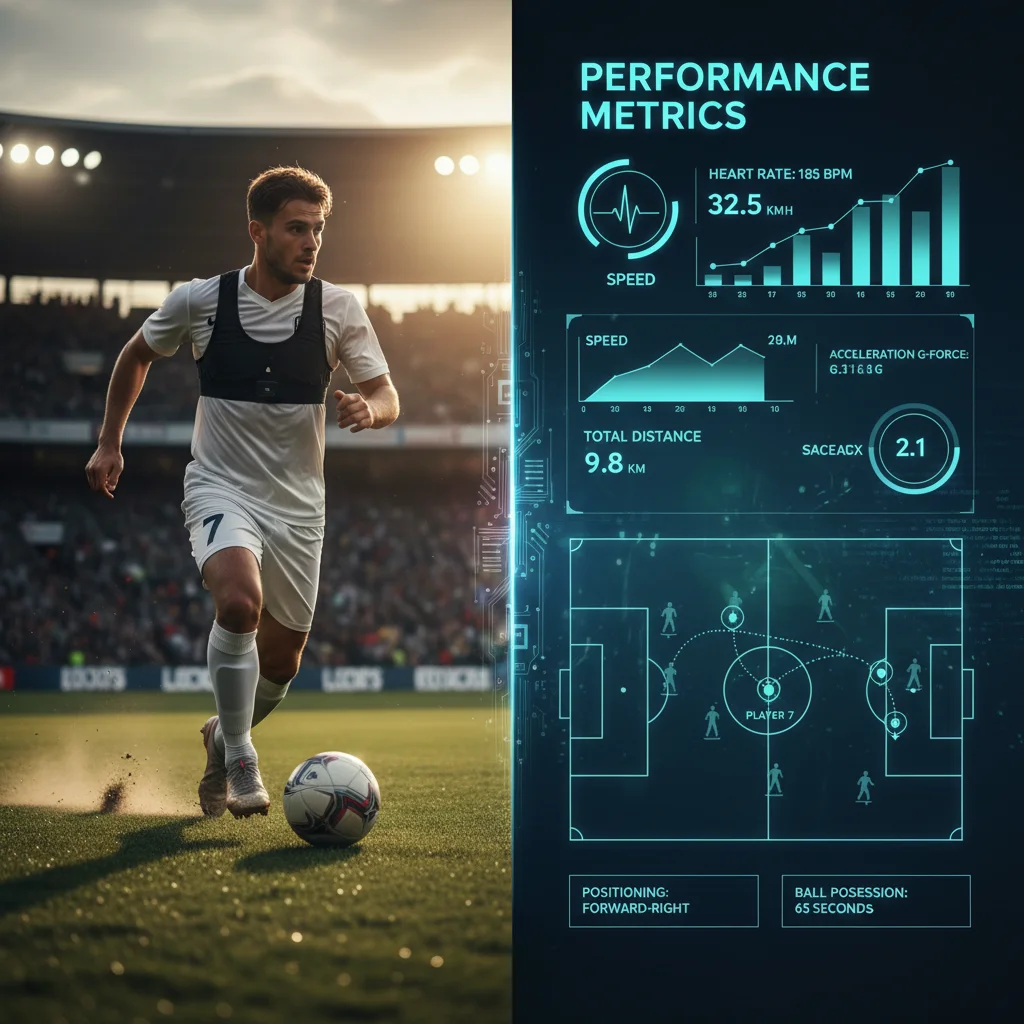
Catapult Sports has long been a frontrunner in sports performance technology, and its impact on football player analytics is undeniable. Their wearable GPS tracking devices, often seen in small vests worn by players during training and matches, collect an astonishing array of physical data. This includes metrics like total distance covered, top speed, acceleration, deceleration, and even the number of high-intensity sprints. Such detailed physical output allows coaching staff to monitor player workload, manage fatigue effectively, and tailor training programs to individual needs, significantly reducing the risk of injuries and ensuring peak physical condition.
The data collected by Catapult isn’t just about raw numbers; it’s about context. Coaches can analyze how a player’s physical output changes throughout a game or across different tactical setups. For instance, a midfielder might cover more ground in a high-pressing system, and Catapult’s data can quantify that effort precisely. This level of detail helps in making substitution decisions, understanding player recovery needs, and even in scouting potential transfers by evaluating their physical capabilities against the demands of a new league or team. The insights derived from Catapult’s system are instrumental in shaping both individual player development and overall team strategy.
StatsBomb: Unpacking Tactical Nuances with Event Data
StatsBomb has rapidly emerged as a game-changer in the world of football analytics, particularly renowned for its rich event data. Unlike traditional statistics that might just record a ‘pass’ or ‘shot,’ StatsBomb captures far more granular details, such as the exact location of every event, the body part used, the height of a pass, and even the pressure a player is under when making a decision. This depth of data allows analysts to move beyond surface-level observations and dive into the tactical intricacies of the game. For example, they can analyze the quality of chances created, the effectiveness of different pressing schemes, or the true defensive contribution of a player beyond simple tackles and interceptions.
One of StatsBomb’s most celebrated innovations is its pressure data, which quantifies how much pressure a player faces when receiving or releasing the ball. This helps evaluate decision-making under duress, a critical skill in modern football. Furthermore, their expected goals (xG) model is highly respected for its accuracy, providing a more reliable measure of shot quality than simply counting shots on target. By integrating such detailed event data, teams can gain a profound understanding of player tendencies, identify tactical strengths and weaknesses, and develop strategies that exploit opponent vulnerabilities. It’s a powerful tool for dissecting match performances and refining tactics.
Hudl Sportscode: Visualizing Performance for Deeper Understanding
Hudl Sportscode is a staple for many professional football clubs, offering powerful video analysis capabilities that integrate seamlessly with performance data. While other tools focus on collecting raw metrics, Sportscode excels at connecting those numbers to actual on-field actions. Analysts can tag specific events in a match – passes, tackles, shots, turnovers – and then instantly review the corresponding video clips. This visual context is invaluable for coaches and players alike, as it allows them to see exactly what happened, rather than just reading about it in a spreadsheet. This direct link between data and visual evidence makes feedback sessions far more impactful and actionable, helping players understand their strengths and areas for improvement more clearly.
The platform’s flexibility allows clubs to create custom coding windows, tailoring the analysis to their specific tactical philosophy and areas of focus. For instance, a team might build a coding window specifically to track their pressing triggers or their defensive shape during set pieces. This bespoke approach ensures that the analysis directly addresses the team’s strategic goals. Sportscode also facilitates easy sharing of clips and playlists, enabling players to review their own performance or scout opponents efficiently. It bridges the gap between data science and practical coaching, making complex analytical insights accessible and understandable for everyone involved in the team.
Soccerex: Comprehensive Scouting and Recruitment Analytics
Soccerex, through its various data partnerships and platforms, provides extensive analytics focused heavily on scouting and recruitment. While not a single tool in the same vein as Catapult or StatsBomb, Soccerex represents a broader ecosystem of data providers and analytical services that cater specifically to identifying talent. These platforms aggregate data from numerous leagues worldwide, offering detailed profiles of players across various metrics. This allows clubs to scout players globally, comparing their performance against benchmarks and identifying individuals who fit their specific playing style and budget. The analytics provided can include everything from traditional statistics to advanced metrics like progressive passes, defensive duels won, and build-up contributions.
Key Recruitment Metrics
Player Comparators: Tools that allow clubs to compare a target player’s performance against existing squad members or other potential recruits, highlighting strengths and weaknesses relative to specific roles.
Value Assessment: Algorithms that help estimate a player’s market value based on performance, age, contract status, and potential, aiding in transfer negotiations.
Role Suitability: Analysis that determines how well a player’s statistical profile aligns with the tactical demands of a specific position or system within a team.
Injury Risk Prediction: While not solely performance-based, some platforms integrate data to assess a player’s historical injury record and potential future risks, a crucial factor in recruitment.
These recruitment-focused analytics help clubs make data-driven decisions in the transfer market, reducing the risk associated with high-value signings. By leveraging such comprehensive scouting tools, teams can build stronger, more balanced squads more efficiently, optimizing their investment in talent acquisition and ensuring long-term success.
Twenty3: Integrated Platform for Deeper Tactical Insights
Twenty3 offers a powerful, all-in-one platform designed to provide deep tactical insights by integrating various data sources. What makes Twenty3 stand out is its ability to combine event data, tracking data, and even video into a single, user-friendly interface. This integration allows analysts to build custom dashboards and visualisations that reveal complex patterns and trends in player and team performance. For instance, you could overlay a player’s physical movements (from tracking data) with their key actions (from event data) to understand their effectiveness in different zones of the pitch, or how their physical output correlates with their decision-making quality under pressure. This holistic view is incredibly valuable for understanding the nuances of football player analytics.
The platform also provides advanced metrics and models, such as possession value (quantifying how much each action contributes to a team’s chances of scoring), and allows for sophisticated opponent analysis. Coaches can quickly generate reports on opposition strengths and weaknesses, identifying key players to nullify or tactical vulnerabilities to exploit. Twenty3’s intuitive interface makes complex data accessible, empowering coaching staff to make more informed tactical adjustments both before and during matches. It’s a comprehensive solution for clubs looking to maximize their analytical capabilities and gain a significant competitive advantage in the modern game.
Frequently Asked Questions
How do data analytics tools help prevent player injuries?
These tools track physical metrics like workload, acceleration, and deceleration. By monitoring these over time, sports scientists can identify patterns that indicate fatigue or overtraining, allowing coaches to adjust training intensity and rest periods to minimize injury risk.
Are these tools only for professional football clubs?
While professional clubs are the primary users, some scaled-down versions or more accessible platforms are emerging for amateur clubs, academies, and even individual players looking to enhance their performance analysis. The technology is becoming more widespread.
What is ‘expected goals’ (xG) and why is it important?
xG is a statistical measure that quantifies the probability of a shot resulting in a goal, based on factors like shot location, body part used, and assist type. It’s important because it provides a more accurate assessment of attacking performance and chance creation than simply counting shots or goals.
How do coaches use video analysis with data?
Coaches use video analysis to visually confirm and understand the context behind statistical data. For example, if data shows a player is losing many aerial duels, video can reveal why – perhaps poor positioning, timing, or technique – allowing for targeted coaching interventions.
Can these tools predict future player performance?
While no tool can perfectly predict the future, advanced analytics can identify trends and patterns in a player’s performance over time. This helps in projecting potential growth, assessing consistency, and making more informed decisions regarding player development and recruitment.
The landscape of modern football is continually evolving, and at its heart is the transformative power of data analytics. The tools discussed – Catapult Sports, StatsBomb, Hudl Sportscode, Soccerex-related platforms, and Twenty3 – are at the forefront of this revolution, providing unprecedented insights into every facet of player performance. From physical conditioning and tactical execution to recruitment strategies, these platforms empower teams to make data-driven decisions that enhance on-field success and optimize player development.
Understanding and leveraging these advanced analytics is no longer a luxury but a necessity for any club aiming to compete at the highest level. They offer a deeper, more objective understanding of the beautiful game, moving beyond subjective observations to quantifiable metrics. As technology continues to advance, we can expect even more sophisticated tools to emerge, further refining our understanding of football and pushing the boundaries of what’s possible in player performance tracking. Embracing these innovations is key to staying ahead in the competitive world of professional football.