MLB Pitching Revolution: New Techniques Dominating the Mound
The MLB Pitching Revolution is here, bringing exciting new techniques to the mound. This article dives into the 4 key strategies dominating the game, offering insights into how pitchers are evolving and reshaping baseball.
By: pedropadm2025@gmail.com on agosto 22, 2026
MLB Pitching Revolution: Understanding the 4 New Techniques Dominating the Mound This Season
The game of baseball is constantly evolving, and nowhere is this more evident than on the pitcher’s mound. We are currently witnessing an exciting MLB Pitching Revolution, with hurlers employing innovative strategies and developing new pitches that are fundamentally changing how the game is played. This season, four particular techniques have risen to prominence, challenging hitters and forcing teams to adapt at an unprecedented pace.
From advanced spin manipulation to refined delivery mechanics, these developments are a testament to the blend of athletic talent and cutting-edge analytics now prevalent in professional baseball. Understanding these shifts isn’t just for players and coaches; it’s crucial for any fan who wants to truly appreciate the intricate chess match unfolding in every game. Let’s dive into the specifics of these game-changing approaches and see how they’re shaping the future of MLB pitching.
The Rise of the ‘Sweeper’ Slider: A Horizontal Menace
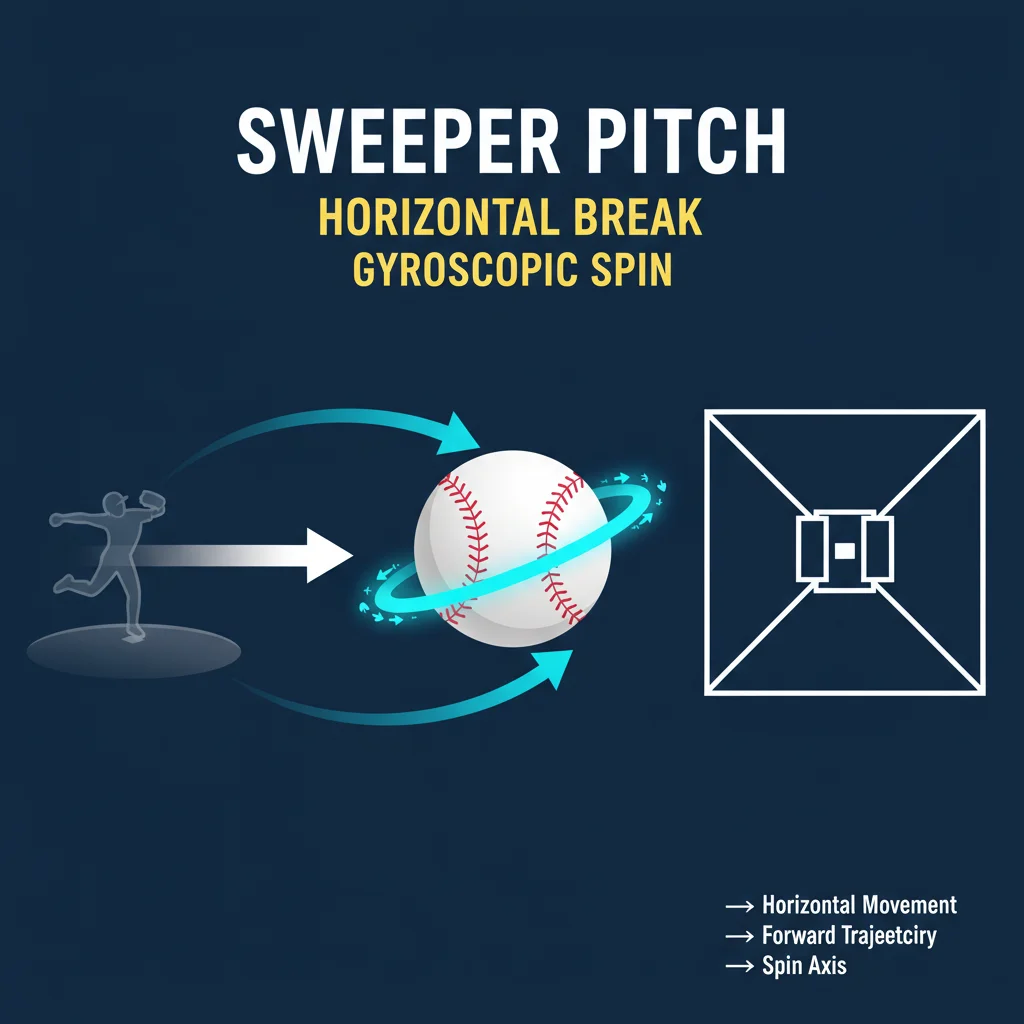
One of the most talked-about pitches in recent seasons, and certainly a cornerstone of the current MLB Pitching Revolution, is the ‘sweeper’ slider. This isn’t your grandfather’s slider; it’s a pitch designed for maximum horizontal movement, often with minimal vertical drop, making it incredibly difficult for hitters to square up. Unlike a traditional slider that might have a sharper, two-plane break, the sweeper lives up to its name by literally sweeping across the strike zone.
Pitchers achieve this unique movement through a specific grip and release point that maximizes gyroscopic spin, pushing the ball far to the side. The result is a pitch that looks like a fastball out of the hand but then veers dramatically, often outside the hitting zone for right-handed batters facing a right-handed pitcher, or vice versa. This late, wide break often induces weak contact, ground balls, or swings and misses, making it a highly effective out-pitch. Its popularity has surged as teams increasingly prioritize pitches that generate high whiff rates and low barrels.
The effectiveness of the sweeper lies in its deceptive trajectory. Hitters are geared up for a fastball or a traditional breaking ball, and the sweeper’s exaggerated horizontal movement often makes them miss badly or hit off the end of the bat. Many pitchers are now either developing this pitch from scratch or modifying their existing sliders to incorporate more of the ‘sweeper’ characteristics. It’s a prime example of how data-driven insights into spin efficiency and pitch design are directly influencing on-field performance and contributing to the evolving landscape of pitching strategy.
Leveraging Vertical Break: The ‘Four-Seam Rise’
While the sweeper dominates horizontally, another technique gaining significant traction in the MLB Pitching Revolution focuses on the vertical plane: the ‘four-seam rise’ or ‘invisible fastball.’ This isn’t about the ball actually rising against gravity, but rather about minimizing its natural downward drop, making it appear to stay ‘up’ longer than a hitter expects. It creates an optical illusion that can lead to many swings and misses above the strike zone, especially when located at the top of the zone.
Pitchers achieve this by generating extremely high spin rates on their four-seam fastballs, often with a backspin efficiency that counteracts gravity’s pull more effectively. The higher the spin, the more the Magnus effect lifts the ball, reducing its vertical drop. When thrown by a pitcher with an over-the-top delivery, this pitch can be devastating, making it seem like the ball is elevating right through the bat path. It’s particularly effective against hitters who are accustomed to fastballs sinking a bit.
The strategic deployment of the four-seam rise often involves pairing it with off-speed pitches that have significant vertical drop, such as a curveball or a split-finger fastball. This creates a stark contrast in vertical movement that keeps hitters off balance and unable to predict the ball’s trajectory. Pitchers are increasingly focusing on optimizing their fastball spin to achieve this effect, using technology like Rapsodo and TrackMan to fine-tune their grips and release points. It’s a sophisticated approach that capitalizes on a deep understanding of physics and biomechanics.
The Split-Changeup Hybrid: New Deception
Beyond traditional fastballs and breaking balls, the MLB Pitching Revolution is also seeing innovation in off-speed offerings, particularly with the emergence of the split-changeup hybrid. This pitch combines elements of a split-finger fastball and a traditional changeup, aiming to maximize deception and create significant downward movement. It’s a tricky pitch to master, but when executed correctly, it can be a devastating weapon against aggressive hitters.
The grip for a split-changeup often involves spreading the fingers wider than a conventional changeup, similar to a splitter, but with a release that emphasizes pronation and arm speed similar to a fastball. This combination generates less velocity than a fastball but creates a significant amount of tumble and vertical drop, making the ball appear to ‘fall off a table’ as it approaches the plate. The key is to maintain fastball arm speed, which tricks the hitter into thinking a hard pitch is coming, only for it to slow down and drop out of the strike zone.
Key Characteristics of the Split-Changeup:
Velocity Drop: Typically 8-12 mph slower than the fastball, creating a significant speed differential.
Vertical Movement: Enhanced downward movement due to reduced spin and pronation at release.
Deception: Mimics fastball arm speed, fooling hitters into early swings or swings over the top.
Effectiveness: Particularly potent against opposite-handed hitters, generating weak contact and ground balls.
This hybrid pitch adds another layer of complexity to a pitcher’s arsenal, giving them more ways to disrupt a hitter’s timing and eye-level. Its growing adoption highlights the continuous search for pitches that offer unique movement profiles and maximize hitter discomfort, further solidifying its place in the current pitching landscape.
Optimizing Delivery Mechanics: Efficiency and Velocity
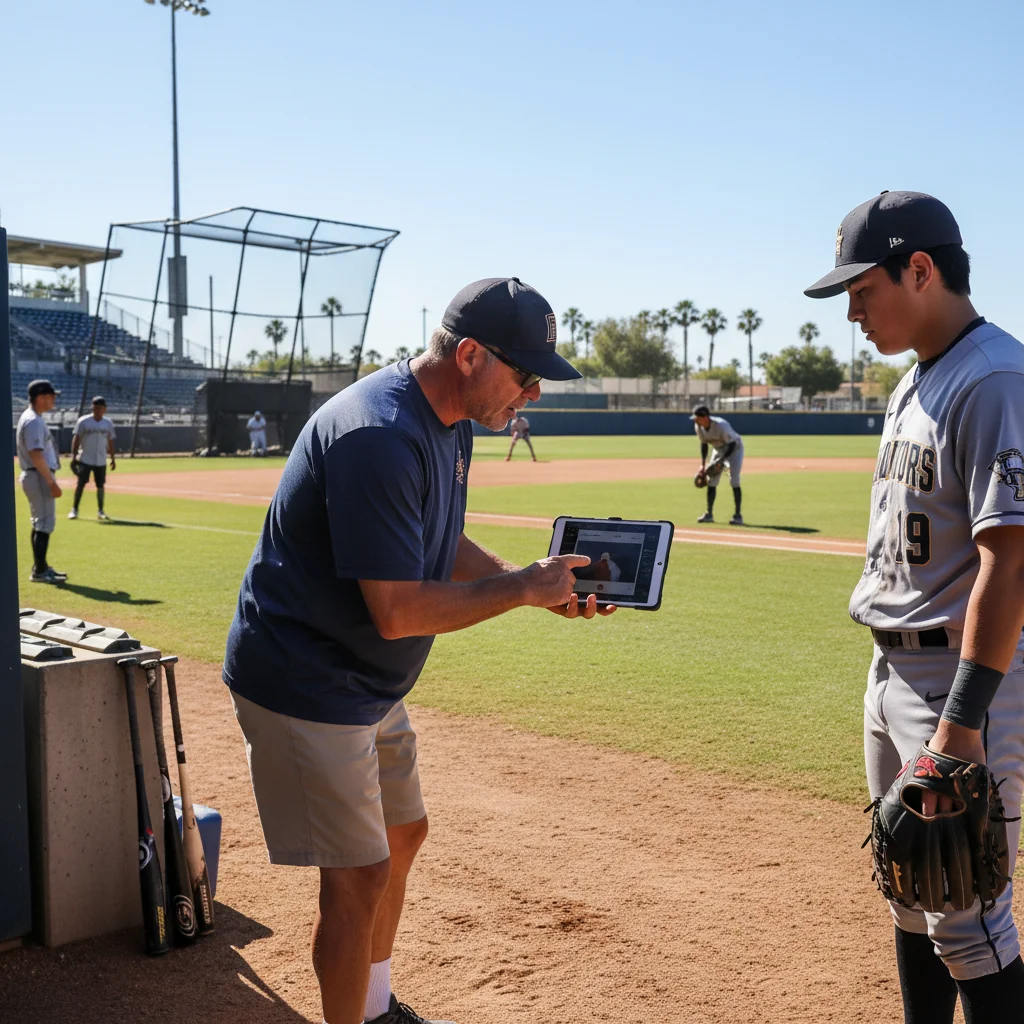
While new pitches grab headlines, a less visible but equally impactful aspect of the MLB Pitching Revolution is the relentless optimization of delivery mechanics. Pitchers and their coaches are using advanced motion capture technology and biomechanical analysis to fine-tune every aspect of the throwing motion. The goal is twofold: maximize velocity and spin efficiency while minimizing stress on the arm and body, thereby enhancing durability.
This involves analyzing everything from hip-shoulder separation and lead leg block to arm slot and release point. Small adjustments in these areas can lead to significant gains in fastball velocity, increased spin rates on breaking balls, and improved command. The focus is on creating a more efficient kinetic chain, ensuring that energy generated from the lower body is effectively transferred through the core and into the arm, culminating in a powerful and repeatable release. This scientific approach to mechanics is a far cry from the more intuitive coaching methods of the past.
One common adjustment seen is optimizing the ‘arm slot’ for different pitches, allowing a pitcher to throw a sweeper from a slightly different angle than a four-seam fastball, for example, without tipping off the hitter. Another involves improving ‘lead leg block,’ where the front leg braces firmly, transferring momentum more effectively and allowing the torso to rotate powerfully. These mechanical tweaks, often informed by detailed data from high-speed cameras, are not just about throwing harder; they are about throwing smarter and healthier, extending careers and improving consistency on the mound.
The ‘Ghost Forkball’: A Modern Revival
Rounding out the quartet of revolutionary techniques is the modern iteration of the ‘ghost forkball.’ This pitch, a cousin to the split-finger fastball, is experiencing a significant resurgence, particularly among pitchers looking for an effective off-speed pitch with significant downward action and minimal spin. It’s called ‘ghost’ because it often appears to disappear as it approaches the plate, making it incredibly difficult for hitters to track and make solid contact.
The ghost forkball is thrown with a grip similar to a split-finger, with the index and middle fingers spread wide around the ball. However, the release emphasizes a straight-ahead push rather than a pronation, aiming to reduce spin as much as possible. This lack of spin, combined with the wide finger spread, causes the ball to tumble erratically and drop sharply as it nears the plate. The velocity typically sits between a changeup and a fastball, adding another speed differential to a pitcher’s repertoire.
Its effectiveness comes from its unpredictable movement and its ability to generate weak contact or swings and misses below the zone. Hitters often swing over the top of it, expecting a fastball or a traditional breaking ball. The ghost forkball is particularly potent against aggressive hitters who chase pitches out of the zone. Its revival is a testament to the ongoing experimentation in pitching, where old pitches are re-engineered with modern understanding to fit new strategic needs. This pitch, when mastered, offers a unique movement profile that complements other offerings and contributes significantly to a pitcher’s ability to dominate opposing lineups.
Frequently Asked Questions
What is the main difference between a traditional slider and a sweeper? A traditional slider typically has a sharper, more vertical break, often described as 10-to-4 or 12-to-6 movement. A sweeper, on the other hand, emphasizes exaggerated horizontal movement, sweeping across the plate with less vertical drop, making it harder to hit.
How do pitchers achieve the ‘four-seam rise’ effect? Pitchers achieve this by generating extremely high backspin rates on their four-seam fastballs. This high spin rate creates a Magnus effect that counteracts gravity’s pull, making the ball appear to ‘rise’ or stay up longer than expected, particularly when thrown at the top of the strike zone.
Is the ‘ghost forkball’ a new pitch? While the concept of a forkball or split-finger fastball isn’t new, the ‘ghost forkball’ refers to a modern iteration where pitchers specifically aim for minimal spin and maximum erratic tumble. This focus on reduced spin creates a unique and highly deceptive downward movement.
How does biomechanical analysis help pitchers? Biomechanical analysis uses high-speed cameras and sensors to study a pitcher’s throwing motion in detail. This data helps identify inefficiencies, optimize movements for increased velocity and spin, and pinpoint areas that may cause injury, leading to healthier and more effective pitching.
Why are these new techniques becoming so popular in MLB? These techniques are gaining popularity due to advances in sports science, analytics, and pitch design technology. Teams and pitchers are constantly seeking edges, and these pitches offer unique movement profiles that exploit weaknesses in hitter approaches, leading to more swings and misses or weak contact.
The MLB Pitching Revolution is not just a passing trend; it’s a fundamental shift in how pitchers approach their craft, driven by a powerful synergy of athletic talent, advanced analytics, and cutting-edge technology. The widespread adoption of the ‘sweeper’ slider, the mastery of the ‘four-seam rise,’ the deceptive split-changeup hybrid, and the modern revival of the ‘ghost forkball’ are clear indicators of this evolution. These innovative techniques challenge traditional hitting strategies and demand constant adaptation from every player in the league.
Understanding these developments enriches the baseball viewing experience, allowing fans to appreciate the strategic depth and physical prowess involved in every pitch. As pitchers continue to push the boundaries of what’s possible, the game will undoubtedly become even more dynamic and exciting. The future of baseball promises more data-driven innovation, healthier pitchers, and an ever-evolving battle between bat and ball. Keep an eye on the mound; the revolution is still in full swing.
Peter B holds a degree in Journalism and has 5 years of experience covering U.S. economic policy, labor markets, and financial news. He writes data-driven news content on topics like inflation, interest rates, and employment trends.