Unlock your potential on the court by mastering pick-and-roll strategies. This guide offers advanced techniques for basketball guards to enhance their decision-making, passing, and scoring within this crucial offensive play.
By: pedropadm2025@gmail.com on agosto 22, 2026
For any aspiring basketball guard, mastering pick-and-roll actions is absolutely essential in today’s game. This fundamental offensive play, when executed with precision and intelligence, can unlock countless scoring opportunities and create significant advantages against even the toughest defenses. It’s not just about setting a screen and rolling; it’s about a sophisticated dance between two players, reading the defense, and making split-second decisions.
Understanding the nuances of the pick-and-roll can transform a good guard into a great one. It requires a deep understanding of spacing, timing, and the ability to anticipate defensive reactions. This guide will delve into advanced techniques that will help you elevate your pick-and-roll game, making you a more effective playmaker and scorer on the court. Let’s explore how to truly dominate this crucial offensive set.
Reading the Defense in Pick-and-Roll Situations
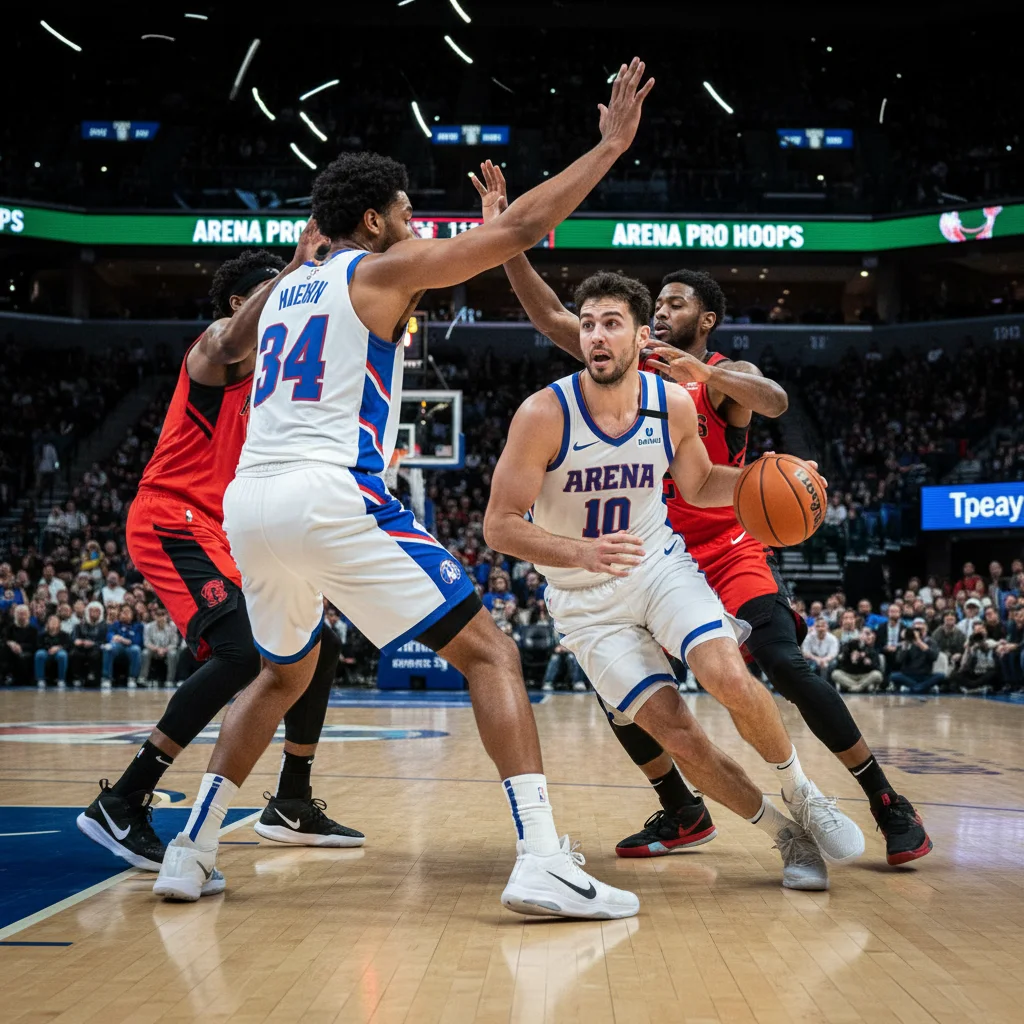
One of the most critical skills for mastering pick-and-roll is the ability to effectively read the defense. Before the screen is even set, a smart guard is already analyzing how the defenders are positioned and anticipating their reactions. This pre-screen read helps determine the best course of action, whether it’s attacking the rim, dishing to the roller, or finding an open shooter. It’s a chess match played at full speed, and the guard who can think a step ahead often comes out on top.
As the screen is being set, keep your eyes up and observe the defenders. Is the on-ball defender fighting over the screen, going under, or switching? Is the screener’s defender dropping back, hedging hard, or switching onto you? Each of these defensive coverages presents different opportunities and challenges. Your ability to quickly process this information and react accordingly is what separates average pick-and-roll players from elite ones. Good communication with your screener also plays a vital role here, as a well-timed screen can create the space you need.
For instance, if the on-ball defender goes under the screen, you might have an open mid-range shot or a chance to attack downhill. If they fight over, you might look to use the screen to create separation and drive. Against a hard hedge, a quick pass to the rolling big man or a skip pass to the weak side could be the best option. Practicing these reads in drills will build the muscle memory and decision-making speed necessary for game situations.
Executing the ‘Snake’ Dribble Technique
The ‘snake’ dribble is an advanced technique used by guards to manipulate the on-ball defender and create better angles after a pick-and-roll. Instead of simply going straight over the screen, the guard uses a curvilinear dribble path, almost like a snake slithering, to stay tight to the screener and prevent the defender from recovering easily. This subtle but effective move keeps the defender guessing and makes it harder for them to get back in front of you. The goal is to force the defender to run an extra step or two, buying you precious time and space. This technique is particularly effective against defenders who try to go over the screen, as it negates their effort to stay attached.
When the screen is set, instead of pushing directly off it, you’ll dribble around the screener’s body in a slight arc, almost turning your back to the defender for a split second. This keeps the defender guessing and makes it harder for them to get back in front of you. The goal is to force the defender to run an extra step or two, buying you precious time and space. This technique is particularly effective against defenders who try to go over the screen, as it negates their effort to stay attached.
The snake dribble also sets up opportunities for hesitation moves or changes of direction. Once you’ve ‘snaked’ around the screen, you can suddenly burst to the basket, pull up for a jumper, or make a pass to the roller who now has a better angle to the rim. It’s about maintaining control and leverage over your defender, using the screen not just as a barrier, but as a pivot point for your attack. Practice this move with both hands and from different angles to make it a natural part of your pick-and-roll arsenal.
The ‘Spanish Pick-and-Roll’ Variation
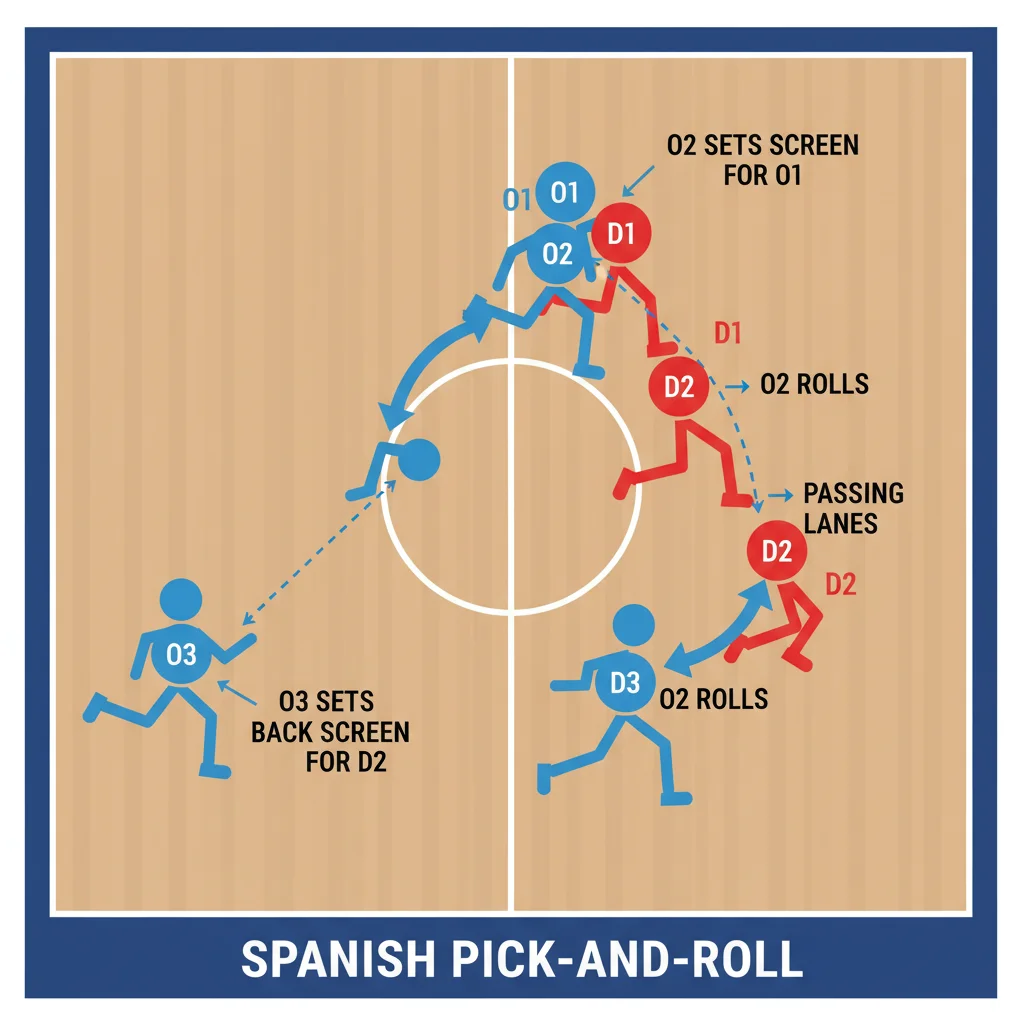
The Spanish pick-and-roll, also known as a ‘screen-the-screener’ action, adds another layer of complexity and effectiveness to the traditional pick-and-roll. This variation involves three offensive players working in concert: the ball handler, the initial screener, and a third player who sets a back screen for the initial screener. It’s a fantastic way to create confusion for the defense and generate open looks, not just for the ball handler but also for the rolling big man.
Here’s how it typically works: the initial screener sets a ball screen for the guard. As the guard attacks off the screen, a third offensive player (often a wing or another big man) simultaneously sets a back screen on the initial screener’s defender. This second screen is designed to free up the initial screener for an easy roll to the basket or a pop-out opportunity. The defense now has to contend with two screening actions in quick succession, often leading to breakdowns in coverage and open players.
Key Elements of the Spanish Pick-and-Roll:
Timing is Crucial: All three players must be on the same page with their movements and screens. The back screen needs to be set almost immediately after the ball screen to maximize its effectiveness.
Communication: Verbal cues or hand signals can help ensure everyone knows their role and when to execute their action.
Reading the Defense: The guard must read not only their own defender but also how the defense reacts to the back screen. This dictates whether to pass to the rolling big, attack the rim, or find the popping screener.
Versatility: This play can create opportunities for a lob pass to the original screener, a drive by the guard, or a kick-out to an open shooter if the defense collapses.
This advanced pick-and-roll variation demands excellent teamwork and spatial awareness. When executed correctly, it can be incredibly difficult to defend, providing multiple scoring options and keeping the defense constantly off balance. Incorporating the Spanish pick-and-roll into your team’s playbook can significantly boost your offensive efficiency.
Utilizing the ‘Re-Screen’ and ‘Slip’ Options
Beyond the initial screen, smart guards understand how to leverage the screener for multiple actions, creating even more headaches for the defense. Two highly effective advanced techniques are the ‘re-screen’ and the ‘slip.’ These moves capitalize on defensive overreactions or anticipation, turning what might seem like a broken play into a scoring opportunity. Both require excellent communication with your screener and a keen understanding of defensive tendencies.
A ‘re-screen’ occurs when the initial screen doesn’t create the desired advantage, perhaps because the defender fought through it well or the hedge was too aggressive. Instead of forcing a bad shot or pass, the guard can momentarily retreat or change direction, allowing the screener to quickly adjust and set a second screen. This often catches the defense off guard, as they’ve typically committed to defending the first screen. The re-screen creates a fresh angle of attack, often leading to a wide-open lane or a better passing option. It’s about patience and exploiting defensive recovery efforts.
Conversely, a ‘slip’ is when the screener fakes setting a screen but then quickly cuts to the basket without making contact. This is particularly effective against defenses that anticipate the screen and prepare to hedge or switch aggressively. By slipping, the screener can often get a step ahead of their defender and be open for a quick pass and finish at the rim. The guard must be ready to make an immediate, accurate pass as soon as the screener makes their move. The key is to sell the screen hard before slipping, making the defender commit to guarding the screen that never fully materializes. Both re-screens and slips add a layer of unpredictability to your pick-and-roll game, making you a much more dangerous offensive threat.
Countering Defensive Switches and Traps
Defenses are constantly evolving, and a crucial aspect of mastering pick-and-roll is knowing how to counter common defensive strategies like switches and traps. When a defense switches, the on-ball defender and the screener’s defender swap assignments. This can often lead to mismatches, which a smart guard can exploit. When trapped, two defenders aggressively converge on the ball handler, trying to force a turnover or a bad pass. Knowing how to react to these coverages is paramount for maintaining offensive flow and creating scoring chances.
Against a defensive switch, the primary goal is to identify and exploit the mismatch. If a smaller defender switches onto your big man, look to immediately throw the ball into the post for an easy score. If a bigger defender switches onto you, use your quickness and dribbling skills to attack them off the dribble or create space for a pull-up jumper. Communication is key here; your screener needs to recognize the switch and quickly establish deep post position if they have a size advantage. Don’t settle for a contested shot; look for the best possible scoring opportunity created by the mismatch.
When facing a trap, the most important thing is to remain calm and protect the basketball. The defense wants you to panic and turn it over. The first option should always be to ‘split’ the trap if there’s enough space, dribbling quickly between the two defenders. If splitting isn’t an option, look for the ‘short roll’ pass to your screener, who will often be open in the middle of the floor as the defense commits to trapping you. Another excellent option is to pass out of the trap to a teammate on the weak side, allowing the offense to reset or attack the rotating defense. Practicing these scenarios in drills will build confidence and ensure you make the right play under pressure.
Frequently Asked Questions
What is the most important skill for a guard in a pick-and-roll?
The most important skill is reading the defense. A guard must quickly assess how defenders are reacting to the screen to decide whether to drive, shoot, or pass, optimizing the offensive outcome.
How can I improve my pick-and-roll passing?
Improve your pick-and-roll passing by practicing various pass angles and types, such as bounce passes, pocket passes, and lobs, focusing on timing and accuracy to the rolling or popping screener.
What is a ‘ghost screen’ in basketball?
A ‘ghost screen’ is when a player fakes setting a screen but then quickly flares or cuts away without making contact, aiming to draw a defender and create space for themselves or a teammate.
How do I communicate effectively with my screener?
Effective communication involves using clear verbal cues or hand signals before the screen, letting the screener know where you want them to set it and what action you plan to take.
What are common mistakes to avoid in the pick-and-roll?
Common mistakes include not setting a strong enough screen, failing to read the defense, forcing passes into traffic, and not being decisive with the decision after coming off the screen.
Mastering pick-and-roll is a journey that demands continuous practice, sharp decision-making, and a deep understanding of basketball strategy. By integrating advanced techniques like the snake dribble, the Spanish pick-and-roll, and knowing when to re-screen or slip, guards can significantly enhance their offensive impact. The ability to read defenses and effectively counter switches and traps will make you an invaluable asset to any team, capable of consistently creating opportunities for yourself and your teammates.
Remember, the pick-and-roll is more than just a play; it’s a dynamic interaction that requires chemistry, timing, and intelligence. Dedicate time to drilling these advanced concepts, both individually and with your teammates, to build the necessary muscle memory and court awareness. Embrace the challenge of understanding defensive reactions and making the optimal play in every situation. As you refine these skills, you’ll not only become a more formidable guard but also a more complete and intelligent basketball player, ready to take your game to the next level.
Peter B holds a degree in Journalism and has 5 years of experience covering U.S. economic policy, labor markets, and financial news. He writes data-driven news content on topics like inflation, interest rates, and employment trends.