Offensive Line Formations: Best Protection and Run Blocking
Understanding offensive line formations is crucial for football success. This article dives into the nuances of different setups, evaluating their effectiveness for pass protection and run blocking. Learn how strategic choices in offensive line formations can significantly impact a team's performance on the field.
By: Michael Sete on agosto 22, 2026
In the dynamic world of football, the success of an offense often hinges on the performance of its unsung heroes: the offensive line. These five players, through their coordinated efforts and strategic positioning, dictate how well a team can execute its plays. Understanding various offensive line formations is key to appreciating the intricate balance between protecting the quarterback and opening lanes for running backs. Each formation brings its own set of advantages and disadvantages, tailored to specific offensive philosophies and game situations.
From the classic I-formation to more modern spread concepts, the choice of offensive line formation profoundly impacts both pass protection and run blocking. Coaches meticulously select formations based on their personnel, the opposing defense, and the overarching game plan. This strategic decision-making can be the difference between a game-winning drive and a stalled possession, highlighting the critical role these formations play in every snap.
The Power of the I-Formation and Its Blocking Schemes
The I-formation is a traditional and highly effective offensive line formation, particularly renowned for its robust run-blocking capabilities. In this setup, the offensive line typically aligns in a standard two-guard, two-tackle, and one-center configuration, with a fullback positioned directly behind the quarterback and a running back behind the fullback, forming the distinctive ‘I’ shape. This deep backfield alignment allows for powerful downhill running plays, where the fullback can lead block for the running back, often hitting the line of scrimmage with significant momentum. The I-formation is a staple in many power running offenses, designed to physically wear down defenses.
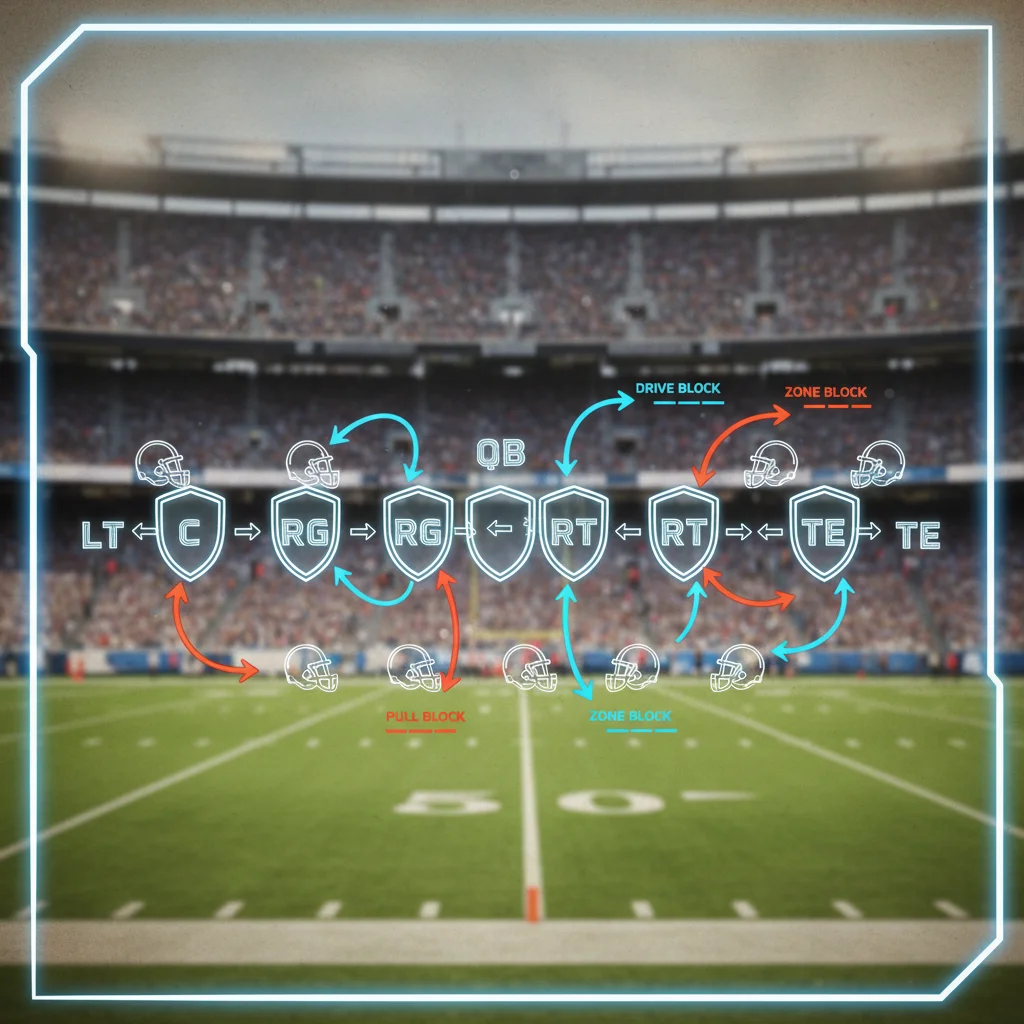
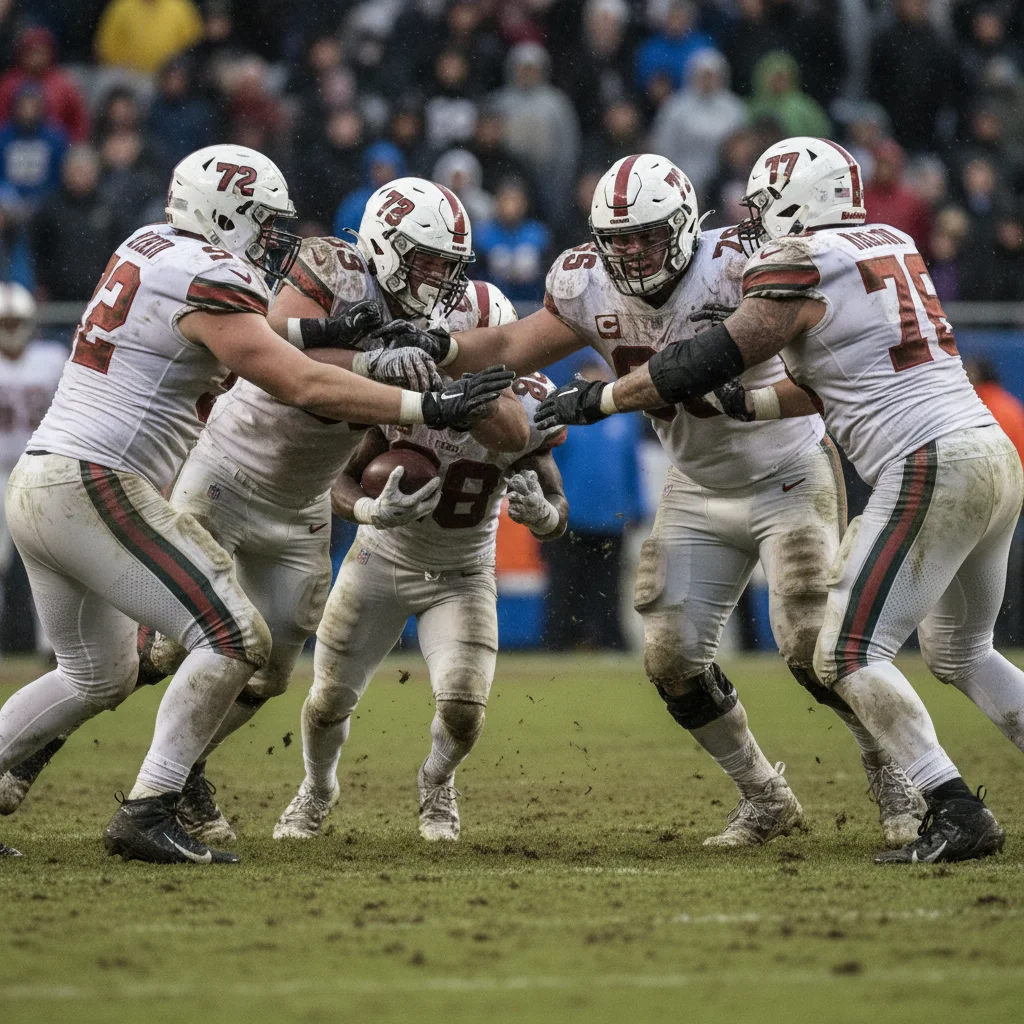
When it comes to run blocking in the I-formation, the focus is often on creating clear lanes through the interior of the defensive line. Offensive linemen execute a variety of blocks, including drive blocks, double teams, and pull blocks, to displace defenders and open holes for the running back. Double teams are particularly effective, as two linemen can combine to move a larger defensive lineman, allowing one to peel off to block a linebacker at the second level. This coordinated effort is crucial for generating positive yardage on the ground, especially in short-yardage and goal-line situations where brute force is often required.
Pass Protection in the I-Formation
While celebrated for its run game, the I-formation also offers solid pass protection, though it might be less diverse than formations designed primarily for passing. The presence of a fullback in the backfield provides an extra blocker, who can be utilized to pick up blitzing linebackers or assist in double-teaming powerful defensive ends. This additional blocker can significantly enhance the integrity of the pass pocket, giving the quarterback more time to read the defense and deliver the ball. However, relying heavily on a fullback for pass protection can sometimes limit offensive play-action fakes or routes, as the fullback is occupied with blocking rather than running a route.
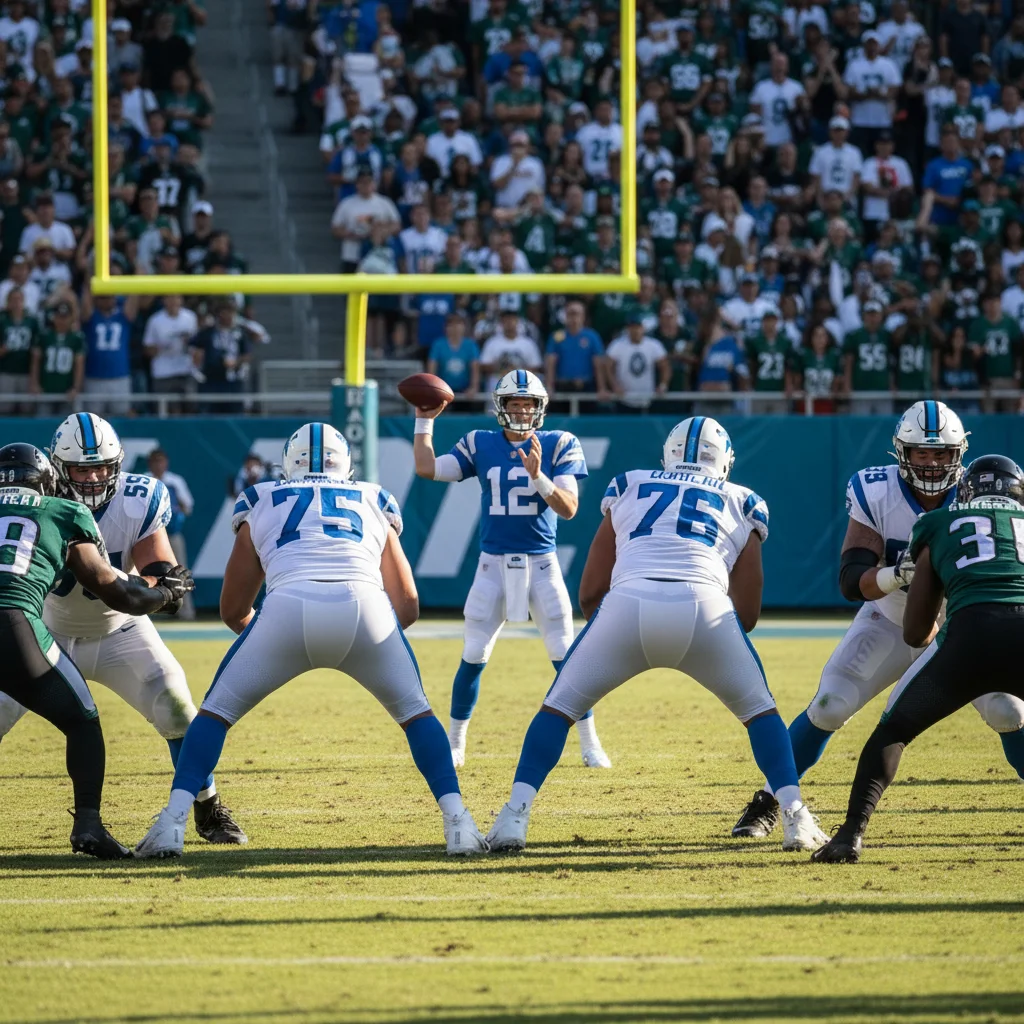
The core offensive linemen in the I-formation typically employ a man-blocking scheme for pass protection, where each lineman is responsible for a specific defender. The center, guards, and tackles work in unison to form a protective wall, maintaining a stable pocket for the quarterback. Communication among the linemen is paramount to identify stunts, twists, and blitzes from the defense, ensuring that no defender breaks through unblocked. The I-formation’s inherent structure, with a tight and compact offensive line, naturally lends itself to strong interior pass protection, making it a reliable choice for teams that prioritize both a strong run game and a sturdy pocket.
The Versatility of the Shotgun Formation and Its Blocking Benefits
The shotgun formation has revolutionized modern football offenses, offering immense versatility and strategic advantages, especially in the passing game. Unlike traditional formations where the quarterback is under center, in the shotgun, the quarterback lines up several yards behind the center. This positioning provides the quarterback with a clearer view of the defense pre-snap and gives them more time to react to defensive schemes after the snap. This extra space allows for a wider array of passing concepts, from quick throws to deeper developing routes, making it a favorite for offensive coordinators who prioritize aerial attacks.
The blocking schemes in the shotgun formation are often tailored to facilitate both quick passes and extended pocket protection. For quick passes, offensive linemen might employ a half-slide protection, where part of the line slides in one direction while the other part man-blocks. This quick-setting protection is designed to give the quarterback enough time to get the ball out rapidly, minimizing the risk of sacks. For longer-developing plays, a full-slide protection or a man-blocking scheme with chip blocks from running backs or tight ends can be used to ensure the quarterback has ample time to find open receivers downfield. The flexibility of the shotgun allows for adjustments based on the specific play call and defensive alignment.
Run Blocking in the Shotgun
While primarily known for its passing prowess, the shotgun formation can also be surprisingly effective for run blocking, particularly with zone running schemes. In a zone scheme, offensive linemen are responsible for blocking an area or a gap, rather than a specific defender. This allows for more fluid movement and the ability to create natural running lanes as defenders react to the play. The shotgun’s spread alignment often forces defenses to spread out as well, which can create lighter boxes and more favorable matchups for the offensive line in the run game. Read-option plays, where the quarterback decides whether to hand off or keep the ball based on a defensive read, are also highly effective from the shotgun and rely heavily on precise zone blocking.
The ability to run effectively from the shotgun adds another layer of complexity for defenses, as they cannot simply assume a pass play based on the formation. This balance keeps defenses honest and prevents them from consistently committing extra defenders to pass rush. Offensive linemen in the shotgun must be adept at both pass setting and quickly transitioning to run blocks, requiring excellent footwork and technique. The shotgun formation, therefore, demands a highly athletic and versatile offensive line capable of executing a wide range of blocking assignments, making it a dynamic choice for modern offenses.
The Strategic Advantages of the Spread Formation
The spread formation is a highly popular and dynamic offensive line formation that aims to stretch the defense horizontally and vertically, creating space for offensive playmakers. In a typical spread formation, offensive linemen maintain their standard five-man alignment, but the key difference lies in the deployment of receivers and tight ends. Often, four or even five receivers are spread out wide, forcing defensive backs and linebackers to cover more ground. This stretching of the defense inherently creates more one-on-one matchups and opens up larger running lanes or passing windows in the middle of the field. The philosophy behind the spread is to create mismatches and exploit defensive weaknesses by forcing them to declare their coverage.
For pass protection, the spread formation often relies on quick passes and RPOs (Run-Pass Options) to mitigate the pass rush. With receivers running routes designed to get open quickly, the quarterback can release the ball before the defensive line has a chance to generate significant pressure. This strategy reduces the burden on the offensive line, as they only need to hold their blocks for a shorter duration. When longer-developing passes are called, the offensive line will typically employ a combination of man and zone protection schemes, often with a focus on interior pressure. The added space created by spreading out receivers can sometimes make it harder for edge rushers to execute wide loops, though it also means fewer potential chip blockers from tight ends or running backs.
Run Blocking in the Spread Offense
Despite its reputation as a passing formation, the spread offense can be incredibly effective for run blocking, especially with zone read and option plays. By pulling defensive players out of the box to cover receivers, the spread formation often leaves fewer defenders in the direct vicinity of the line of scrimmage. This creates lighter boxes, making it easier for offensive linemen to execute their blocks and for running backs to find open lanes. The zone blocking scheme is particularly well-suited for the spread, as linemen can flow in unison, creating natural cutback lanes and allowing the running back to make a single read.
The threat of the pass in a spread formation also keeps linebackers and safeties from crashing down aggressively on run plays, as they must remain disciplined to cover their assigned zones or players. This hesitation gives offensive linemen a crucial advantage in establishing their blocks. Furthermore, the ability of the quarterback to run the ball on read-option plays adds another dimension to the run game, forcing defenses to account for the quarterback as a runner. This dual threat puts immense pressure on defensive assignments and can lead to significant gains on the ground, showcasing the spread’s surprising effectiveness in run blocking when executed correctly.
Comparing Offensive Line Formations: Pro and Con of Power vs. Zone
When comparing offensive line formations, a fundamental distinction lies between power blocking schemes and zone blocking schemes, each with unique pros and cons for both run blocking and pass protection. Power blocking, often associated with formations like the I-formation or single-back power sets, emphasizes individual linemen driving defenders off the ball. The goal is to create a specific hole through sheer force, often involving double teams at the point of attack and pulling guards or tackles to lead block through the hole. This method is excellent for short-yardage situations and against smaller, quicker defensive lines, as it allows the offense to dictate the line of scrimmage physically.
The primary advantage of power blocking for run plays is its ability to consistently gain tough yards and wear down a defense over the course of a game. It’s a mentality as much as a technique, fostering a physical, aggressive approach. However, a significant con is that it can be less adaptable if the defense shifts or stunts effectively, as linemen are assigned to specific defenders rather than areas. For pass protection, power blocking often translates into a man-on-man approach, where each lineman is responsible for their assigned pass rusher. This can be effective against straightforward rushes but might struggle against complex blitzes or defensive line games that create confusion and unblocked rushers.
Zone Blocking: Flexibility and Adaptation
Zone blocking, prevalent in spread and shotgun formations, offers a more fluid and adaptable approach. Instead of blocking specific defenders, linemen are responsible for blocking a specific gap or area, working in concert to create a wall and natural cutback lanes for the running back. This scheme allows running backs to read the blocks and choose the best path, making it highly effective against faster, more athletic defenses that might be difficult to move with pure power. The ability to react and adapt to defensive movement is a major pro, as it allows the offense to exploit gaps that open up organically.
For run blocking, zone schemes can create explosive plays if running backs make the right reads, and it often requires more agile and technically sound offensive linemen. A potential con is that it might not be as effective in short-yardage situations where a guaranteed push is needed. In terms of pass protection, zone blocking often translates into a slide protection scheme, where linemen collectively slide to cover a specific side of the pocket, creating a strong front against a coordinated rush. This can be very effective against exotic blitzes, as linemen protect an area rather than being tied to a single defender. However, it requires excellent communication and coordination to ensure no gaps are left vulnerable, particularly if the defense brings pressure from unexpected angles. Both power and zone blocking have their place, and the best offensive line formations often incorporate elements of both.
Hybrid Formations: Blending Protection and Blocking Strengths
In modern football, offensive coordinators are constantly seeking innovative ways to maximize their team’s potential, leading to the development and widespread use of hybrid offensive line formations. These formations are designed to blend the strengths of traditional power-running sets with the versatility of spread or shotgun concepts, creating a balanced attack that keeps defenses guessing. The goal is to present a look that can effectively run the ball with power while simultaneously offering robust pass protection and the ability to stretch the field through the air. This adaptability is crucial in today’s game, where defensive schemes are increasingly complex and diverse.
One common hybrid approach involves using a traditional offensive line alignment (e.g., two guards, two tackles, one center) but varying the personnel around them. For instance, a team might line up in a single-back formation with a tight end attached to the line, providing an extra blocker for run plays and a potential pass receiver. However, they could also substitute that tight end for a slot receiver, instantly shifting to a spread look without changing the core offensive line formation. This flexibility allows the offense to maintain a consistent blocking foundation while changing its play-making options, making it difficult for defenses to anticipate whether a run or pass is coming.
Another example of a hybrid formation is the use of unbalanced lines, where an extra offensive lineman (often a tackle or guard) lines up on one side of the formation, creating a stronger point of attack for run plays. While this can be highly effective for gaining tough yards, it requires careful pass protection adjustments, as the defense might bring pressure from the weak side. These formations demand intelligent and versatile offensive linemen who can adapt to different blocking assignments and communicate effectively under pressure. The ability to seamlessly transition between different blocking schemes within a single drive is a hallmark of successful hybrid offenses.
Ultimately, the effectiveness of any hybrid offensive line formation comes down to execution and the ability of the coaching staff to identify and exploit defensive weaknesses. By combining the physical dominance of power blocking with the deceptive elements of zone and spread concepts, hybrid formations offer a compelling solution for teams looking to achieve both superior pass protection and dominant run blocking. They represent the evolution of offensive strategy, constantly pushing the boundaries of what’s possible on the football field. The ongoing innovation in these formations ensures that the offensive line remains a pivotal, ever-evolving component of football strategy.
Frequently Asked Questions
What is the primary role of an offensive line?
The primary role of an offensive line is twofold: to protect the quarterback from defensive rushers during pass plays and to create clear running lanes for running backs during run plays. Their coordinated effort is essential for the offense to function effectively.
How do offensive line formations impact play calling?
Offensive line formations significantly impact play calling by dictating the types of plays that can be run most effectively. A power-running formation might favor inside runs, while a spread formation opens up more passing and outside zone run opportunities. Coaches choose formations to match their play calls and exploit defensive weaknesses.
What is the difference between man blocking and zone blocking?
Man blocking assigns each offensive lineman a specific defensive player to block. Zone blocking, conversely, assigns linemen to block a specific area or gap, working collectively to create a seam for the running back, who then reads the blocks to find the best path.
Can a single offensive line excel at both pass protection and run blocking?
Yes, an elite offensive line can excel at both pass protection and run blocking, but it requires highly skilled, athletic, and intelligent players. They must master a variety of techniques, communicate effectively, and adapt quickly to defensive schemes to achieve balance.
Why do some teams use unbalanced offensive lines?
Teams use unbalanced offensive lines to create an extra blocker on one side of the formation, typically to gain an advantage in run blocking for a specific play. This can overload a defensive side, making it easier to open a running lane, but it requires careful planning to ensure overall protection.
The strategic deployment of offensive line formations is a cornerstone of successful football, directly influencing a team’s ability to protect its quarterback and establish a dominant run game. We’ve explored how formations like the I-formation provide robust run blocking, while the versatility of the shotgun and spread formations enhances the passing attack and offers unique advantages for zone running schemes. The ongoing evolution into hybrid formations showcases the innovative spirit in football, blending power with finesse to create unpredictable and effective offenses. Each formation, with its distinct blocking schemes, demands a specific skill set from offensive linemen, highlighting their critical role as the foundation of any offensive strategy.
Ultimately, the choice of formation is a complex decision, influenced by personnel, opponent, and game plan. A deep understanding of these formations not only enriches our appreciation for the game’s tactical depth but also underscores the immense coordination and skill required from the offensive line. As the game continues to evolve, so too will these formations, always striving for the optimal balance between pass protection and run blocking to achieve offensive superiority. The unsung heroes of the offensive line remain at the heart of every successful drive, proving that the battles won in the trenches often decide the outcome of the game.