Unlocking Key Basketball Defensive Strategies for Teams
Discover the top three basketball defensive strategies that can transform your team's performance this season. This guide covers perimeter defense, post defense, and transition defense, offering actionable insights and techniques to shut down opponents and control the game.
By: pedropadm2025@gmail.com on agosto 22, 2026
In the fast-paced world of basketball, a strong offense might win games, but a dominant defense wins championships. For any team aiming for success this season, mastering key basketball defensive strategies is absolutely essential. Implementing effective defensive tactics can disrupt opponents, create turnovers, and ultimately control the tempo of the game. This article will delve into three crucial defensive areas that every basketball team should focus on to elevate their performance and achieve their goals.
Understanding these fundamental defensive principles and how to apply them consistently will not only improve individual player skills but also foster a cohesive team unit. We’ll explore the nuances of perimeter defense, the importance of strong post defense, and the critical role of transition defense. By breaking down these core components, coaches and players alike can gain valuable insights into building a formidable defensive identity that makes them a tough matchup for any opponent on the court. Let’s unlock the secrets to a championship-caliber defense.
Mastering Perimeter Defense to Shut Down Opponents
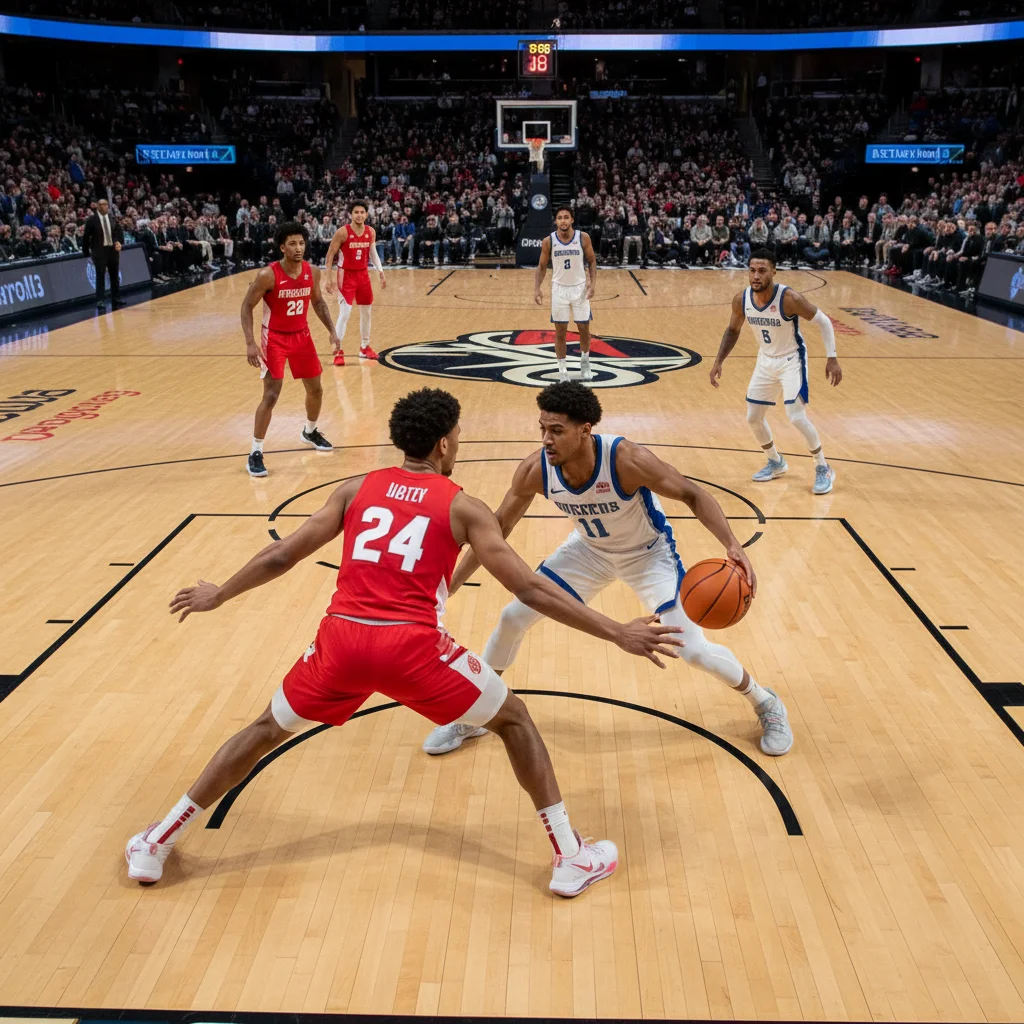
Perimeter defense is the first line of defense in basketball, and mastering it is crucial for limiting an opponent’s scoring opportunities, especially from beyond the arc and in the mid-range. Effective perimeter defense involves a combination of individual technique, communication, and team awareness. Players must maintain a low, athletic stance, keeping their eyes on the offensive player’s chest to anticipate their movements rather than being fooled by head fakes or ball fakes. The goal is to deny easy penetration into the paint and contest every shot, making offensive players work hard for their points.
Communication is paramount in perimeter defense. Defenders must constantly talk to each other, calling out screens, switches, and potential drives. This verbal exchange helps prevent miscommunications that can lead to open shots or easy layups. Moreover, understanding scouting reports on opposing players, knowing their tendencies to drive left or right, or their preferred shooting spots, allows defenders to position themselves more effectively. A well-executed perimeter defense forces opponents into uncomfortable situations, leading to rushed shots or turnovers, which can then spark fast break opportunities for your own team.
Key Principles of Perimeter Defense
Stance and Footwork: Maintain a low, wide base with active hands, shuffling feet to stay in front of the offensive player. Avoid crossing your feet, which can lead to being off-balance and easily beaten.
Denial and Containment: Pressure the ball handler, denying comfortable catches and driving lanes. Force them away from the basket and into less favorable positions.
Communication: Constantly talk to teammates about screens, cuts, and help-side rotations. This collective awareness prevents defensive breakdowns.
Contesting Shots: Close out on shooters with high hands, but avoid flying by, which can lead to easy drives or fouls. The goal is to alter the shot without committing a foul.
Help and Recover: Understand when to provide help to a beaten teammate and how to quickly recover to your own assignment. This team effort creates a strong defensive shell.
By consistently applying these principles, teams can significantly reduce an opponent’s perimeter scoring. It takes discipline and continuous practice, but the payoff is a defense that frustrates shooters and controls the flow of the game, setting the stage for offensive success.
Establishing Dominance with Robust Post Defense
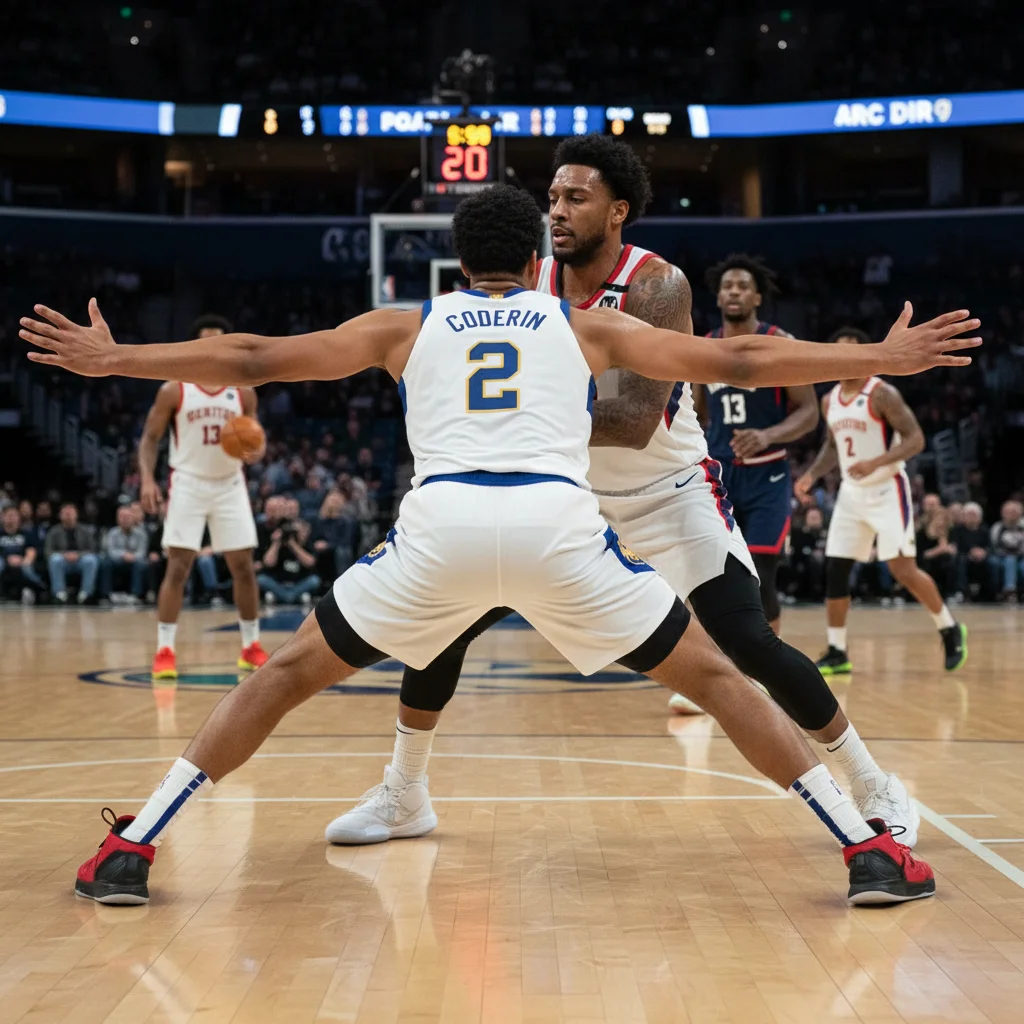
Robust post defense is another cornerstone of effective basketball defensive strategies, especially when facing teams with skilled big men or a strong inside game. Allowing easy scores in the paint can quickly demoralize a team and put them at a significant disadvantage. Therefore, teaching players how to effectively guard the post is vital. This involves more than just size; it requires proper positioning, physical engagement, and smart use of angles to deny entry passes and contest shots. Defenders must work hard before the ball even enters the post, fronting or three-quartering their opponent to make entry passes difficult.
Once the ball is in the post, the defender’s job shifts to preventing easy moves to the basket. This means staying low, having active hands to deflect passes or poke the ball away, and using their body to maintain position without fouling. It’s a physical battle, but one that can be won with technique and anticipation. Help defense from perimeter players is also crucial; they must be ready to dig down on the post player or double-team when necessary, forcing the post player to make difficult passes or take contested shots. This coordinated effort ensures that even the most dominant post players face significant resistance.
Successful post defense also involves understanding an opponent’s tendencies. Does the post player prefer to spin baseline, or do they like to turn over their left shoulder for a hook shot? Knowing these habits allows defenders to anticipate and react more effectively, cutting off their preferred moves. Rebounding after a contested shot is the final, critical step in post defense, ensuring that the offensive team doesn’t get a second chance. A team that can consistently shut down the paint forces opponents to settle for lower-percentage shots, giving your team a better chance to gain possession and transition to offense.
The Importance of Swift Transition Defense
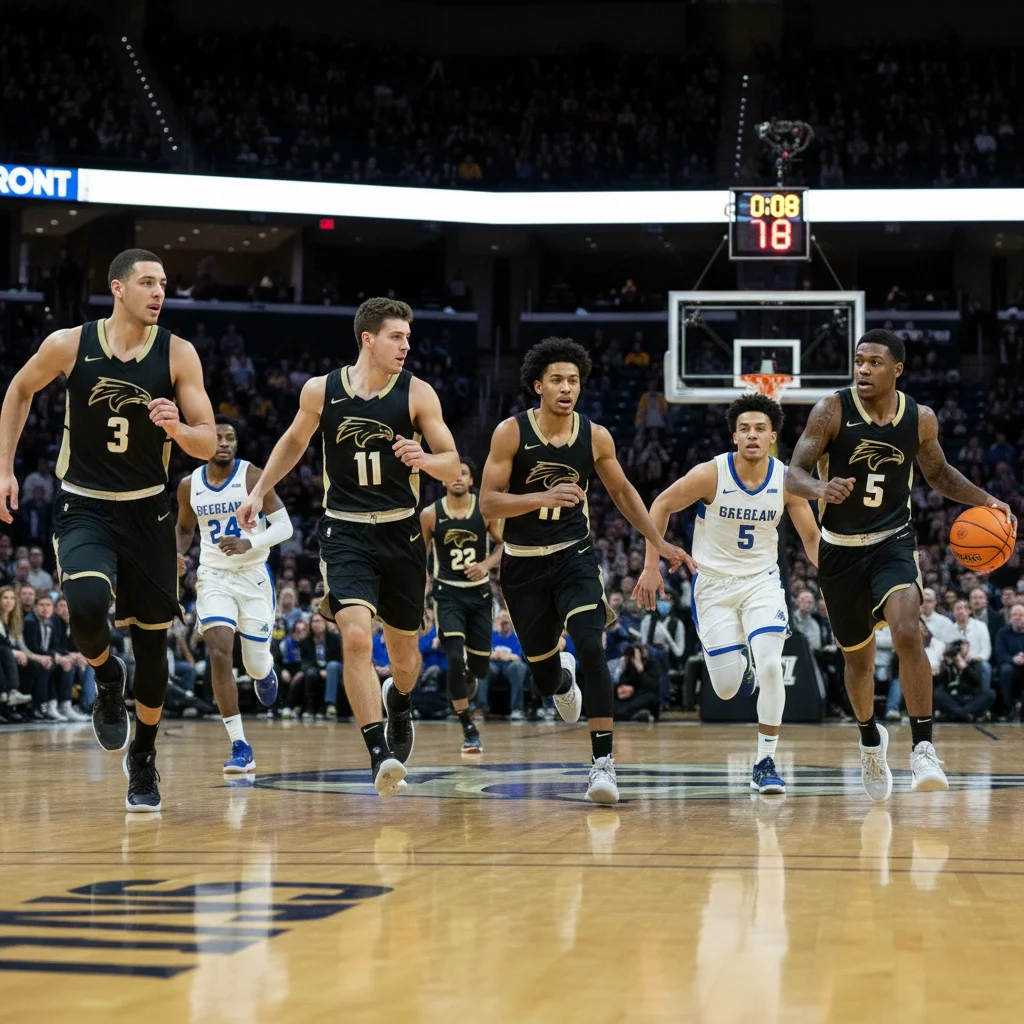
Transition defense is often overlooked but is arguably one of the most critical aspects of modern basketball. In today’s fast-paced game, teams are constantly looking to push the ball upcourt after a defensive rebound or turnover, aiming for easy fast-break points. A team with poor transition defense will consistently give up easy layups and open three-pointers, negating any good work done in half-court defense. Swift and organized transition defense requires every player to understand their role and execute it immediately after a change of possession. It’s about sprinting back, communicating assignments, and preventing easy scoring opportunities.
The primary goal of transition defense is to stop the ball as quickly as possible, preventing the opponent from getting into an advantageous position. This usually means one player, often the closest one to the ball, sprints back to contain the ball handler and slow down their advance. Simultaneously, other players must sprint back to fill lanes, identify their matchups, and protect the basket. The concept of "first back" is vital, as this player acts as the initial barrier. They don’t necessarily have to stop the ball handler completely, but they must delay them long enough for teammates to recover and set up the half-court defense.
Effective transition defense also involves clear communication. Players must call out who has the ball, who is covering the basket, and who is taking which opponent. This immediate communication helps eliminate confusion and ensures that no offensive player is left unguarded. Without this quick recovery and communication, even a perfectly executed half-court defense can be rendered useless by a series of easy fast-break scores. Practicing transition drills regularly is essential to instill the necessary habits and reflexes in players, ensuring they react instinctively when possession changes. This defensive discipline can be the difference between a close game and a blowout.
Disrupting Offenses with Effective Defensive Rotations
Beyond individual defensive efforts, the collective movement of players through defensive rotations forms the backbone of any elite basketball defensive strategy. Rotations are essentially the coordinated shifts and movements of defenders to cover open spaces, help teammates who have been beaten, and recover to their original assignments. When executed flawlessly, defensive rotations can create a suffocating defense that funnels offensive players into contested shots, disrupts passing lanes, and prevents easy penetration. This level of synchronization requires extensive practice, trust among teammates, and a deep understanding of defensive principles.
The core concept behind defensive rotations is "help and recover." When one defender is beaten off the dribble or has to guard a post player, a teammate must step in to provide help, temporarily covering that offensive player. However, this help creates a new open space, which another defender must then fill. This chain reaction of movements continues until all offensive players are accounted for and the defense is reset. Successful rotations often involve "tagging" cutters, "sinking" into the paint to deter drives, and "recovering" quickly to contest outside shots. The timing of these movements is critical; a late rotation can lead to an open shot, while an early one can leave another area vulnerable.
Coaches spend significant time drilling defensive rotations because they are complex and require constant communication. Players must be able to anticipate where the next pass will go and where the next help defender needs to be. This proactive approach, rather than a reactive one, makes a defense truly formidable. For instance, if a guard drives past their defender, the closest big man might step up to "help" and stop the drive. As the big man helps, a perimeter player might "sink" down to cover the big man’s original assignment, and another perimeter player might "recover" to cover the initial helper’s man. This fluid movement ensures that the offense always faces pressure, making scoring incredibly difficult and reinforcing strong basketball defensive strategies.
Implementing Full-Court Pressures and Traps
While half-court defense is foundational, implementing full-court pressures and traps can add an entirely new dimension to a team’s basketball defensive strategies. These aggressive tactics are designed to disrupt an opponent’s rhythm, force turnovers, and wear them down physically and mentally over the course of a game. A well-executed full-court press can prevent opponents from easily advancing the ball past half-court, burning valuable time off the shot clock, and leading to rushed decisions. Traps, whether in the backcourt or half-court, aim to double-team the ball handler, creating immediate pressure and often resulting in steals or bad passes.
Full-court presses come in various forms, such as the 2-2-1 zone press or man-to-man full-court pressure. Each has its own objectives and requires specific player responsibilities. For example, a 2-2-1 press aims to trap the ball in the corners of the backcourt, while a man-to-man press seeks to deny all inbound passes and make every dribble a challenge. The success of any press relies heavily on teamwork, communication, and relentless effort. Players must understand where to funnel the ball, when to trap, and how to rotate to cover the open player once a trap has been sprung. The goal is not always to get a steal immediately, but to create chaos and force the opponent out of their comfort zone.
Trapping involves two defenders converging on the ball handler, effectively cutting off their dribbling and passing lanes. Common trap locations include the sidelines, corners, and half-court line. When a trap is initiated, the other three defenders must quickly rotate to cover the remaining offensive players, often playing a "zone" defense behind the trap. This requires quick thinking and anticipation to prevent easy passes to open teammates. While full-court pressures and traps can be high-risk, high-reward strategies, they can completely change the momentum of a game, especially when a team needs a surge of energy or a way to get back into contention. They are powerful tools in a coach’s defensive arsenal when used judiciously and effectively.
Frequently Asked Questions
What is the most crucial aspect of individual perimeter defense?
The most crucial aspect is maintaining a low, athletic defensive stance with active hands and quick, shuffling footwork. This allows the defender to stay in front of their opponent, deny penetration, and react effectively to fakes and drives without crossing their feet.
How can teams improve their transition defense quickly?
Teams can improve transition defense by emphasizing the "first back" principle, where the closest player immediately sprints to stop the ball. Consistent practice of transition drills, clear communication about assignments, and relentless effort to get back and protect the basket are key.
When should a team consider using a full-court press?
A full-court press is most effective when a team needs to change the game’s tempo, create turnovers, or is trailing and needs to generate quick scoring opportunities. It’s also useful against teams that struggle with ball-handling or breaking pressure.
What is the role of help defense in post play?
Help defense in post play involves perimeter players "digging down" or double-teaming the post player to make scoring difficult. This coordinated effort forces the post player into tough shots or passes, preventing easy points in the paint.
Why is communication so important for defensive success?
Communication is vital for defensive success because it ensures all players are aware of screens, cuts, and rotations, preventing breakdowns and miscommunications. Clear and constant verbal cues help teammates stay organized and react collectively to offensive threats.
Developing a championship-caliber defense in basketball is a multifaceted endeavor that demands commitment to specific basketball defensive strategies. We’ve explored three pivotal areas: mastering perimeter defense, establishing robust post defense, and executing swift transition defense, alongside the critical roles of rotations and aggressive pressures. Each component, when practiced diligently and integrated cohesively, contributes to a defensive identity that can truly dominate the court. From denying easy penetration and contesting every shot on the perimeter to shutting down the paint and preventing fast-break points, these strategies form the bedrock of a successful team.
Remember, defense is not just about individual skill; it’s a collective effort built on communication, trust, and relentless energy. Coaches must emphasize these principles in practice, drilling players on proper technique, rotations, and situational awareness. Players, in turn, must embrace the defensive mindset, understanding that their effort on this end of the floor directly impacts the team’s overall success. By focusing on these key defensive strategies, teams can transform their performance, frustrate opponents, and ultimately position themselves for a truly memorable and successful season. Start implementing these tactics today and watch your team’s defensive prowess soar.
Peter B holds a degree in Journalism and has 5 years of experience covering U.S. economic policy, labor markets, and financial news. He writes data-driven news content on topics like inflation, interest rates, and employment trends.