Elite Wide Receiver Production: Key Metrics Deep Dive
This article delves into the crucial metrics defining elite wide receiver production. We explore target share, yards after catch (YAC), red zone targets, and contested catch rate, offering insights into what truly separates top-tier pass-catchers in today's game.
By: Michael Sete on agosto 22, 2026
Beyond the Stats: A Deep Dive into the 4 Key Metrics Driving Elite Wide Receiver Production
When we talk about elite wide receiver production, it’s easy to get lost in the sheer volume of statistics available. However, a deeper look reveals that certain metrics stand out as true indicators of a pass-catcher’s impact and potential for consistent high performance. Since January, a careful analysis of top performers shows that four specific areas consistently differentiate the best from the rest, moving beyond simple yardage or touchdown totals.
Understanding these underlying numbers helps us appreciate the nuances of the game and identify what truly makes a wide receiver elite. This article will explore these crucial metrics, offering insights into how they contribute to a player’s overall success and why they should be at the forefront of any evaluation. By focusing on these specific indicators, fans, analysts, and even fantasy football enthusiasts can gain a more comprehensive understanding of what drives sustained excellence at the wide receiver position.
Target Share: The Foundation of Opportunity
Target share is arguably the most fundamental metric for any wide receiver, representing the percentage of a team’s total pass attempts directed at a specific player. A high target share indicates that a receiver is a primary option in the offensive scheme, suggesting a strong rapport with the quarterback and a significant role in moving the chains. Without consistent opportunities, even the most talented receiver will struggle to put up impressive numbers. This metric provides a clear picture of how much an offense relies on a particular pass-catcher.
Receivers with elite target shares often demonstrate exceptional route-running ability, reliable hands, and a knack for getting open against various coverages. Coaches and offensive coordinators prioritize getting the ball into the hands of their most dynamic playmakers, and target share quantifies this trust. It’s not just about being open; it’s about being the preferred option when the game is on the line. This consistent involvement directly correlates with higher potential for yards, receptions, and ultimately, scoring opportunities.
Why Target Share Matters
Consistent Volume: More targets mean more chances to make plays, accumulate yardage, and score points.
Offensive Trust: A high share indicates the coaching staff and quarterback have confidence in the receiver.
Predictive Power: Often a strong predictor of future performance, as opportunities tend to remain stable.
Matchup Advantage: Elite receivers often draw double teams, but a high target share shows they still get open.
Ultimately, a substantial target share is the bedrock upon which all other receiving statistics are built. It’s the starting point for evaluating a receiver’s true value to an offense, reflecting their importance and the opportunities they are given to impact the game positively.
Yards After Catch (YAC): Turning Short Gains into Big Plays
Yards After Catch, or YAC, measures a receiver’s ability to create additional yardage once they’ve secured the ball. This metric highlights a player’s athleticism, vision, and determination, transforming routine receptions into significant gains. Elite wide receivers don’t just catch the ball; they consistently extend plays, break tackles, and outrun defenders, often turning a short pass into a game-changing moment. YAC is a testament to a receiver’s playmaking ability beyond just their hands.
The ability to generate significant YAC can dramatically boost an offense’s efficiency, as it often compensates for shorter throws or quick passes. Receivers who excel in this area put less pressure on the quarterback to make deep, risky throws, allowing the offense to operate with greater rhythm and consistency. These players often possess excellent agility, powerful lower bodies, and an instinctive understanding of how to navigate traffic after the catch. Their impact is felt not only in the stat sheet but also in the momentum they create for their team.
Players known for high YAC figures are often described as dynamic or explosive, capable of taking a simple screen pass or a slant route and turning it into a 20-yard gain. This skill set is invaluable in modern offenses that prioritize quick passes and open-field playmaking. It’s a clear indicator of a receiver’s talent with the ball in their hands, showcasing their ability to contribute beyond the initial catch point. Focusing on YAC helps distinguish receivers who are merely catchers from those who are true playmakers.
Furthermore, a high YAC can wear down opposing defenses, as they are forced to make more open-field tackles and chase down elusive ball carriers. This sustained effort can lead to fatigue for defenders, opening up even more opportunities as the game progresses. Therefore, YAC is not just an individual stat but a crucial component of overall offensive strategy and effectiveness, making it a cornerstone of elite wide receiver production.
Red Zone Targets: The Ultimate Scoring Opportunity
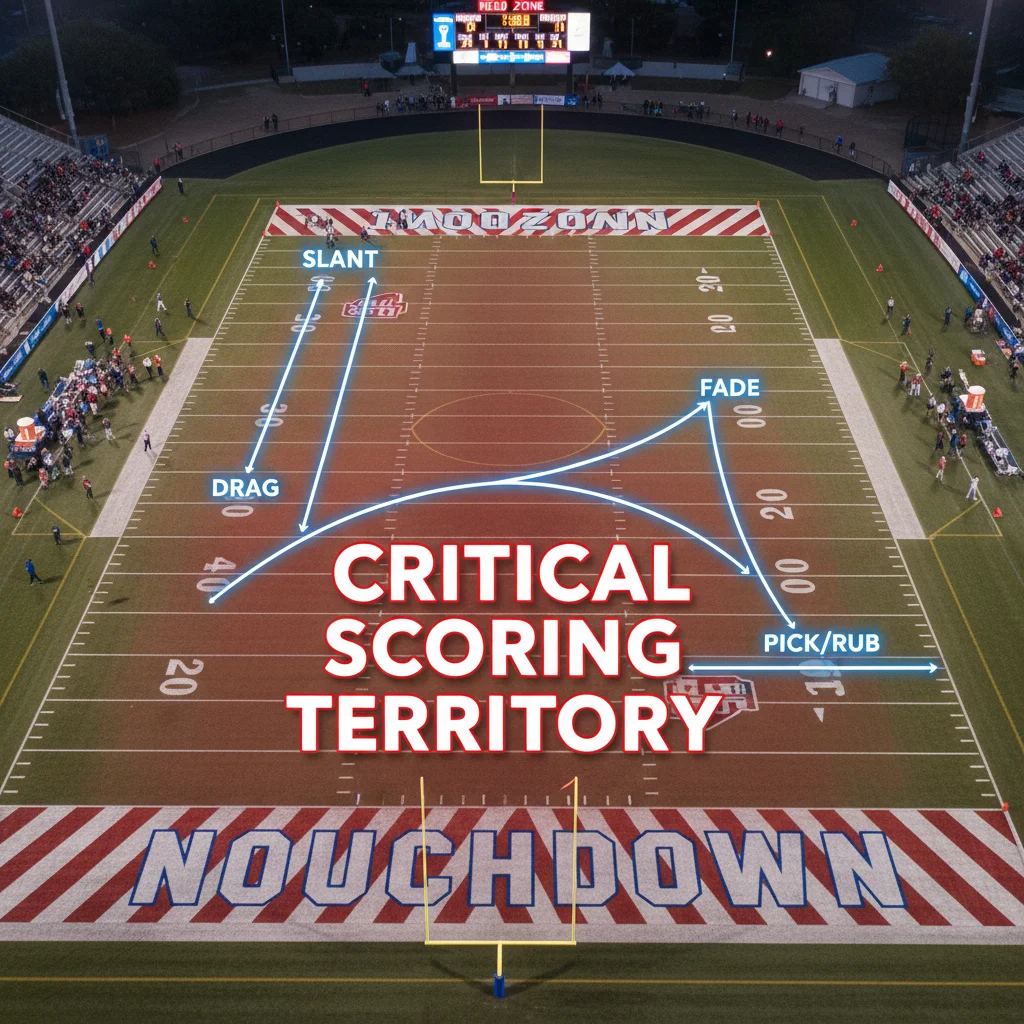
Red zone targets are a critical metric for evaluating a wide receiver’s ability to convert opportunities into points. The red zone, typically defined as the area inside the opponent’s 20-yard line, is where scoring opportunities become most frequent and valuable. A high volume of targets in this compressed area signifies that a receiver is trusted to make crucial plays when the field shrinks and defenses tighten up. These are the moments when games are often won or lost, making red zone proficiency a hallmark of elite wide receiver play.
Receivers who consistently earn red zone targets often possess a unique combination of physical traits and technical skills. This might include superior size to out-jump defenders, exceptional body control to adjust to imperfect throws, or precise route-running to find small windows in congested areas. Their ability to create separation or win contested catches in tight coverage is paramount. Quarterbacks look to these players when a touchdown is within reach, understanding their reliability in high-pressure situations. Their presence alone can force defenses to allocate extra resources, potentially opening up other scoring avenues.
Success in the red zone requires more than just raw talent; it demands focus, strength, and an understanding of defensive schemes in a confined space. Elite receivers consistently demonstrate these qualities, making them go-to options for their teams. Analyzing red zone targets provides insight into a receiver’s role as a primary scoring threat, a vital aspect of elite wide receiver production. It’s where the rubber meets the road, and the best receivers prove their worth by putting points on the board.
Moreover, a receiver’s red zone prowess can significantly impact a team’s overall offensive efficiency. Converting red zone possessions into touchdowns, rather than field goals, is a massive advantage. Players who consistently draw targets and convert them into scores are invaluable, directly influencing the outcome of games. This metric is a clear indicator of a receiver’s clutch factor and their ability to elevate an offense in critical moments.
Contested Catch Rate: Winning the 50/50 Balls
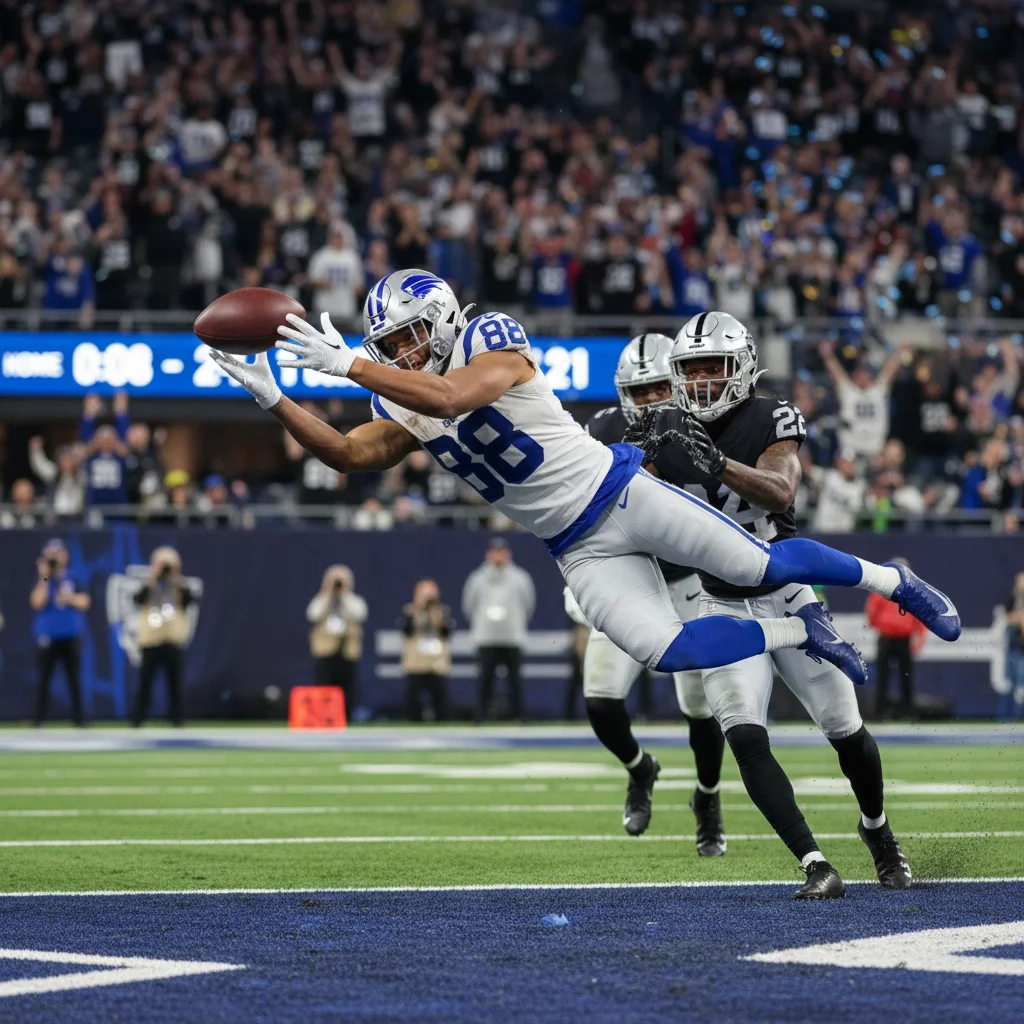
The contested catch rate quantifies a wide receiver’s ability to secure the ball when a defender is in close proximity, making the catch a true 50/50 proposition. This metric speaks volumes about a receiver’s physicality, hand-eye coordination, and mental toughness. In the NFL, defensive backs are faster and stronger than ever, making uncontested catches a luxury. Elite wide receivers distinguish themselves by consistently winning these challenging matchups, turning potential incompletions into crucial receptions that extend drives or result in big gains.
Players with a high contested catch rate often possess exceptional leaping ability, strong hands, and the courage to go up and fight for the ball in traffic. They demonstrate an innate ability to track the ball through the air, adjust their bodies, and maintain possession despite physical contact from defenders. This skill is particularly valuable on deep throws, jump balls, and in situations where the quarterback is under pressure and has to make a less-than-perfect throw. Their reliability in these situations instills confidence in their quarterback, encouraging more aggressive downfield passing.
Winning contested catches not only provides critical yardage but also has a significant psychological impact on both offenses and defenses. For the offense, it boosts morale and reinforces the belief that plays can be made even under duress. For the defense, it can be demoralizing to consistently see a receiver come down with a ball despite tight coverage. This metric is a direct measure of a receiver’s ability to overpower or outmaneuver defenders at the catch point, a fundamental aspect of elite wide receiver production.
Furthermore, a receiver’s contested catch ability can open up other elements of an offense. If defenders are constantly worried about a receiver winning jump balls, they might play softer coverage, allowing for easier underneath routes. Therefore, this metric is not just about individual skill but also about its broader influence on offensive strategy and defensive adjustments. It’s a clear differentiator for those receivers who truly dominate their matchups.
Route Running Prowess: Crafting Separation
Route running prowess is an often-overlooked yet utterly critical metric for identifying elite wide receiver production. This skill involves a receiver’s ability to execute precise, deceptive movements to create separation from defensive backs. It’s not just about speed; it’s about technique, timing, and an understanding of defensive leverage. A receiver who can consistently get open, even against tight coverage, provides an easier target for their quarterback and ensures more opportunities for completions and big plays. This fundamental skill underpins nearly every other aspect of a receiver’s success.
Elite route runners possess a nuanced understanding of their craft. They use subtle head fakes, sudden changes in direction, and varying speeds to manipulate defenders. They know when to accelerate, when to decelerate, and how to use their body to shield the ball or create space at the top of their routes. This level of precision requires countless hours of practice and an acute awareness of defensive back tendencies. Their ability to run a diverse route tree with equal effectiveness makes them incredibly difficult to defend, forcing corners to guess and often putting them in a disadvantageous position.
Key Aspects of Elite Route Running
Footwork: Quick, efficient steps that allow for sharp cuts and explosive breaks.
Deception: Using body language and fakes to mislead defenders about the intended route.
Timing: Syncing movements with the quarterback’s drop and throw to be open at the right moment.
Understanding Leverage: Recognizing a defender’s position and adjusting the route to exploit it.
Ultimately, superior route running is the engine that drives consistent separation, which in turn leads to a higher target share, more YAC opportunities, and ultimately, greater overall production. It’s the art form of the wide receiver position, allowing players to transcend pure athleticism and become truly dominant. Without this foundational skill, even the most physically gifted receivers will struggle to consistently impact the game at an elite level, making it an indispensable metric for evaluation.
Frequently Asked Questions
What is target share and why is it important for wide receivers?
Target share is the percentage of a team’s total pass attempts directed at a specific receiver. It’s crucial because it directly correlates with opportunities to make plays, accumulate yardage, and score points, indicating a receiver’s importance to the offense.
How does Yards After Catch (YAC) contribute to a receiver’s elite status?
YAC showcases a receiver’s ability to gain additional yardage after securing the ball. Elite YAC players turn short gains into big plays, extending drives and creating offensive momentum through their athleticism and vision.
Why are red zone targets considered a key metric for wide receivers?
Red zone targets are vital because they represent high-value scoring opportunities. Receivers who consistently draw targets in the red zone are trusted to make critical plays in congested areas, directly impacting a team’s ability to convert possessions into touchdowns.
What does contested catch rate tell us about a wide receiver?
Contested catch rate measures a receiver’s success in securing the ball when a defender is in close proximity. A high rate indicates superior physicality, strong hands, and mental toughness, allowing receivers to win 50/50 balls and make plays under pressure.
Is route running really a metric, or more of a skill?
While primarily a skill, route running prowess can be quantitatively assessed through metrics like separation generated and consistency of open targets. It’s fundamental because it creates the initial separation needed for all other positive receiving metrics to occur.
Understanding what truly drives elite wide receiver production goes far beyond surface-level statistics. By diving deep into metrics like target share, Yards After Catch (YAC), red zone targets, contested catch rate, and the underlying skill of route running, we gain a much clearer picture of a player’s impact. These five indicators collectively paint a comprehensive portrait of a wide receiver’s ability to consistently contribute to their team’s success, make game-changing plays, and ultimately, put points on the board.
For fans and analysts alike, focusing on these nuanced metrics provides a more robust framework for evaluating talent and predicting future performance. It moves the conversation beyond mere volume to the quality and significance of a receiver’s contributions in various situations. As the game continues to evolve, so too must our methods of assessment. By prioritizing these key metrics, we can better appreciate the complex artistry and athleticism that define the truly elite wide receivers in football today, offering a deeper and more informed perspective on their invaluable role.