New Football Rules: Offensive Strategy Shifts Explained
The professional football landscape is constantly evolving, and recent rule changes have significantly impacted offensive strategies. This article breaks down the three major adjustments and their effects on how teams approach the game, from play-calling to player utilization.
By: Michael Sete on agosto 22, 2026
Professional football is a dynamic sport, always adapting and evolving. This continuous change often comes through adjustments to the rulebook, which can profoundly reshape how teams approach the game. Recently, three significant new football rules have been introduced, and their impact on offensive strategies is already becoming clear. These changes are forcing coaches and players to rethink their play calls, adjust their training, and even alter the types of athletes they prioritize. Understanding these shifts is crucial for any fan or analyst looking to grasp the modern game.
The essence of these rule modifications isn’t just about making the game safer or faster, though those are often underlying goals. Primarily, they aim to create a more competitive and exciting product, often by subtly shifting the advantage or disadvantage between offense and defense. For offensive coordinators, this means a constant puzzle: how to exploit the new landscape while mitigating any potential drawbacks. We will delve into each of these major rule changes, examining their nuances and exploring the creative ways offenses are adapting to stay ahead.
The Impact of New Kickoff Rules on Starting Field Position
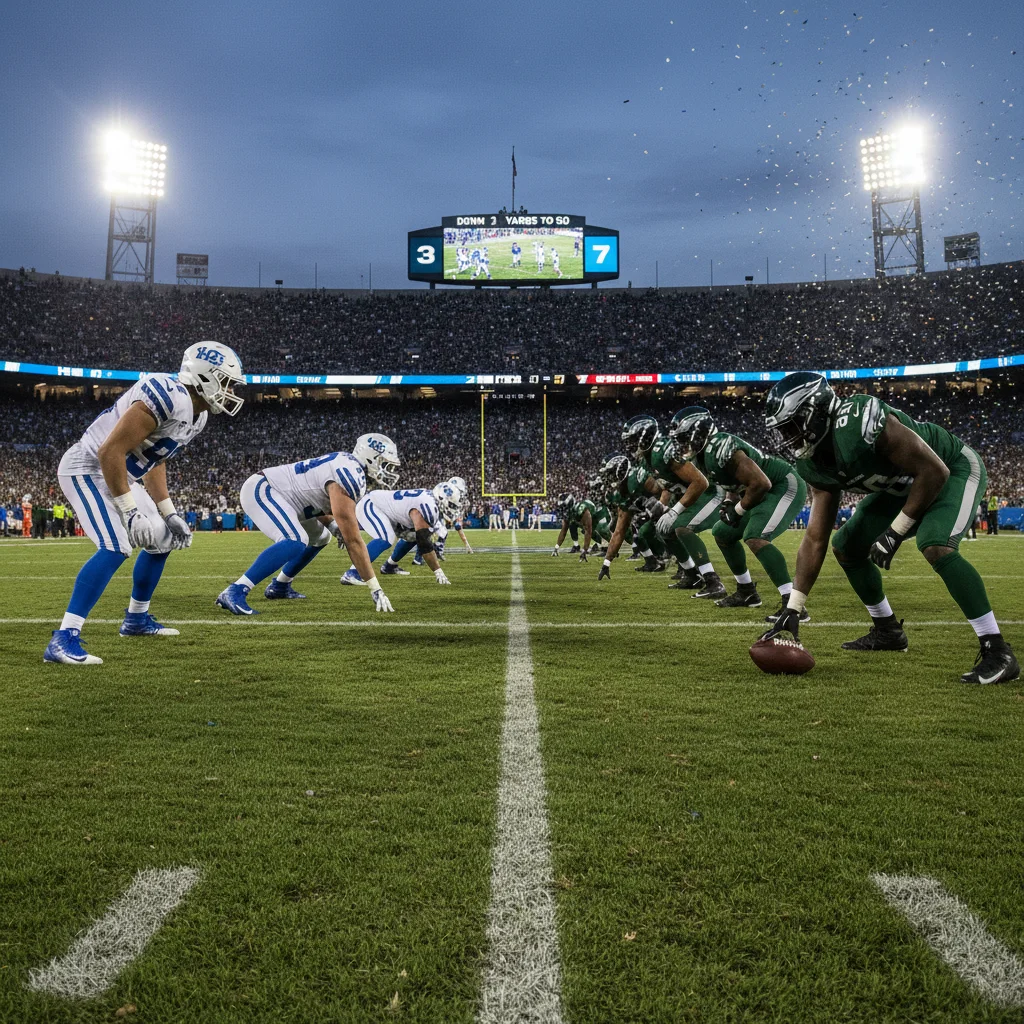
The first major rule change significantly alters kickoff procedures, and its effects on starting field position for offenses are monumental. Previously, touchbacks often resulted in the offense starting at the 25-yard line, leading many teams to simply kick the ball through the end zone. The new football rules, however, are designed to encourage more returns and, consequently, more exciting plays. This adjustment has created a fascinating new strategic dilemma for special teams coordinators and offensive play-callers alike. Teams are now spending considerable time analyzing opposing kickers and returners, trying to gain any advantage possible.
Under the revised rules, the kicking team’s players (excluding the kicker) line up at the opponent’s 40-yard line, while the receiving team’s blockers position themselves between their own 30 and 35-yard lines. Only the kicker and up to two returners are allowed in the landing zone between the goal line and the 20-yard line. This setup effectively eliminates the long, running start for coverage players, making it much harder to swarm the returner. The goal is to increase the likelihood of a return, as fair catches inside the 20-yard line now result in the ball being placed at the 20, rather than the 25 or even 30 under some previous proposals. This subtle shift means that a successful return can yield significant field position gains, making every kickoff a potential game-changing moment.
Offenses are directly benefiting from this. A well-executed return past the 25-yard line immediately puts the offense in a more favorable position, potentially within striking distance for points much earlier in the drive. This encourages a more aggressive initial play-calling philosophy, as the field is already shortened. Conversely, a poor return or a touchback that lands the ball at the 20-yard line means the offense has more ground to cover. Teams are now investing more in dynamic return specialists, recognizing their enhanced value under these new conditions. The emphasis on field position means that every yard gained or lost on a kickoff has a magnified effect on the offensive coordinator’s strategy for the subsequent drive.
Expanded Protection for Quarterbacks and Its Offensive Implications
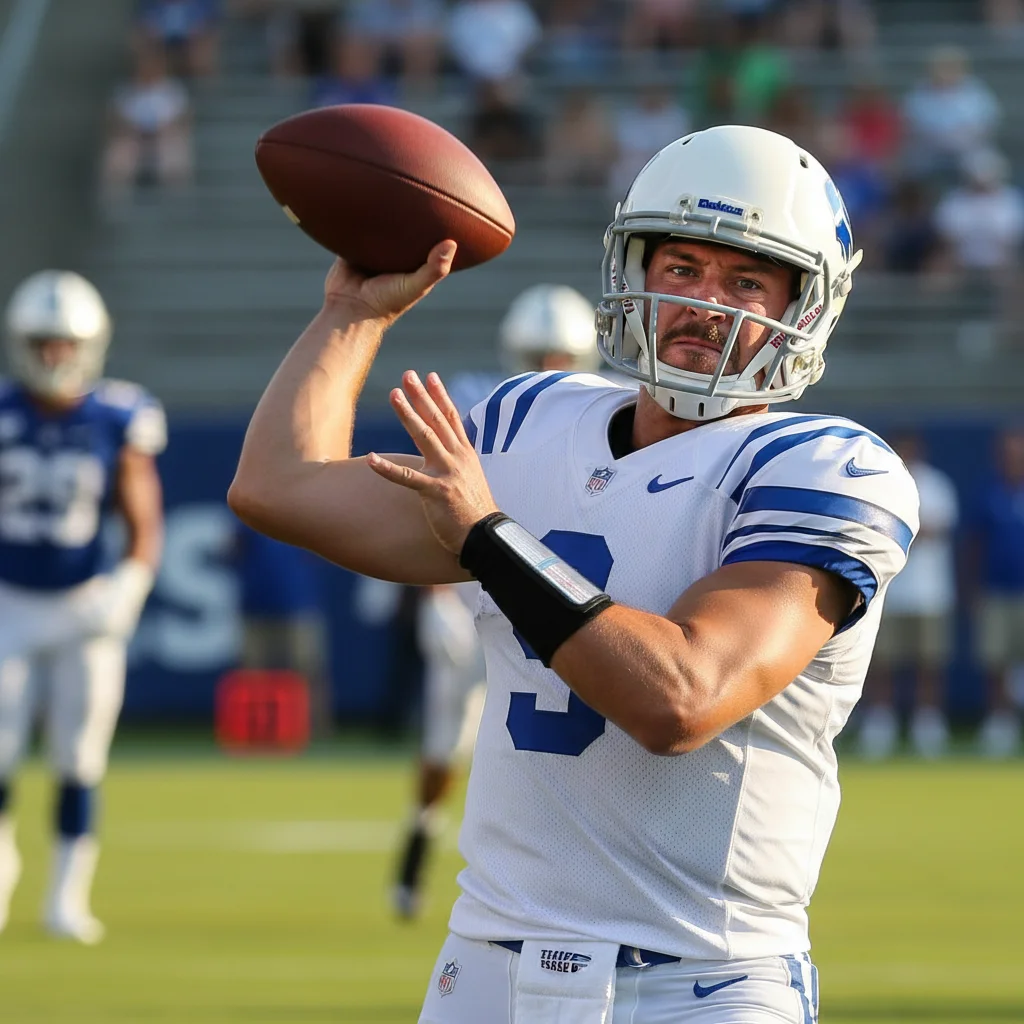
Another critical adjustment in the new football rules focuses on expanded protection for quarterbacks, a move primarily aimed at player safety but with profound offensive implications. This rule change clarifies and often strengthens the penalties for hits on quarterbacks, particularly those deemed unnecessary or dangerous. The league’s ongoing effort to reduce head injuries and protect its most valuable players has led to stricter enforcement around the pocket and after the ball is released. This means defenders must be increasingly careful about how they tackle or hit the quarterback, even in situations where a sack seems imminent. The intent is to create a safer environment, but the side effect is a subtle but noticeable boost for offensive schemes.
The enhanced protection gives quarterbacks a fraction of a second longer to make decisions, or perhaps more confidence to stand in the pocket under pressure. This can translate into more successful deep passes, as quarterbacks might feel less rushed to throw the ball away or take a sack. Offensive coordinators are leveraging this by designing plays that take longer to develop, incorporating more complex route trees, and giving receivers more time to get open downfield. The threat of a roughing the passer penalty can also deter defenders from taking aggressive angles or delivering late hits, which further benefits the offense. This rule essentially shifts some of the defensive aggression away from direct quarterback pressure and towards coverage, forcing defenses to adapt their schemes.
Strategic Adjustments for Offenses
Longer Developing Routes: Teams can now call more plays with intricate route combinations that require more time to unfold, knowing the quarterback has slightly better protection.
Increased Deep Ball Attempts: Quarterbacks are encouraged to look for big plays downfield, as they have more confidence in being protected if they hold onto the ball an extra beat.
Play-Action Effectiveness: With defenses potentially softening their pass rush to avoid penalties, play-action fakes can become more convincing, opening up easier throwing lanes.
Pocket Presence Emphasis: Quarterbacks who excel at subtly moving within the pocket to avoid pressure, rather than scrambling immediately, are even more valuable.
Ultimately, this rule favors offenses that can capitalize on extended play development and more confident quarterback play. It forces defenses to be more disciplined and less aggressive in their pass rush, which in turn opens up new avenues for offensive creativity. The balance between protecting the quarterback and allowing aggressive defensive play is always delicate, and this rule leans heavily towards safeguarding the passer, offering a clear advantage to the offensive side of the ball.
The New Scrimmage Play Clock: Faster Pace, More Pressure
The third significant rule change impacting offensive strategies revolves around the scrimmage play clock, designed to speed up the game and increase the number of plays. Traditionally, offenses had a set amount of time between plays, typically 40 seconds from the end of the previous down. The new football rules have introduced subtle but impactful adjustments to this timing, especially after certain events like penalties or incomplete passes. While the overall goal is a quicker game flow, the direct consequence for offenses is less time to communicate, analyze, and set up for the next snap. This places immense pressure on offensive coordinators and quarterbacks to be efficient and decisive.
One of the primary changes involves how the play clock is reset after certain situations. For instance, after an incomplete pass, the clock now starts faster than it might have in previous seasons. This reduces the time available for offensive personnel changes, extensive sideline communication, or even simply for players to catch their breath. The effect is particularly pronounced in crucial, high-leverage situations, where every second counts. Teams that are less organized or slower in their play-calling process will find themselves constantly battling the clock, leading to more delay of game penalties or rushed, suboptimal play calls. This rule truly tests an offense’s operational efficiency and mental quickness.
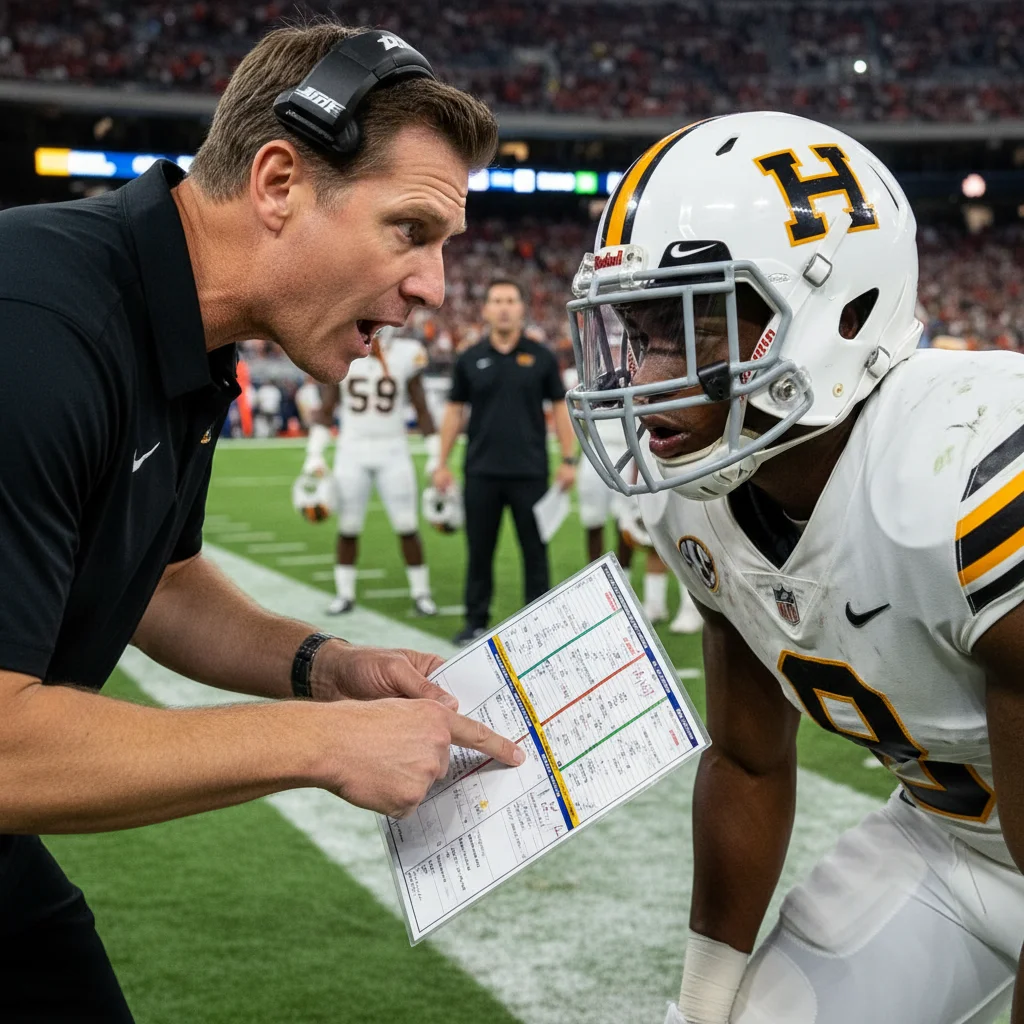
Offensive coordinators are responding by simplifying their communication methods and empowering quarterbacks with more autonomy at the line of scrimmage. No-huddle offenses and up-tempo schemes are becoming even more prevalent, not just as a strategic choice but as a necessity to manage the tighter clock. Teams are also focusing more on pre-snap reads and audibles, allowing the quarterback to adjust the play quickly based on the defensive alignment without needing extensive input from the sideline. This rule change emphasizes the importance of a well-drilled, disciplined offense that can execute quickly and adapt on the fly, without sacrificing precision.
Adapting Offensive Line Play to New Blocking Regulations
Beyond the headline-grabbing changes, subtle yet significant adjustments to blocking regulations have also begun to redefine offensive line play. These new football rules primarily target illegal blocks, particularly those below the waist or from behind, with an increased emphasis on player safety. While these changes might seem minor on the surface, they force offensive linemen to fundamentally alter their techniques and approaches, which in turn impacts the entire offensive scheme. The goal is to reduce the risk of knee and ankle injuries, but the consequence is a more constrained environment for blockers, especially in open-field situations or on specific run plays.
The restrictions on cut blocks, particularly in certain zones or against certain defenders, mean that offensive linemen must find new ways to neutralize pass rushers and create lanes for running backs. This often involves more reliance on traditional drive blocks, double-teams, and zone blocking schemes that emphasize moving defenders rather than taking them out at the knees. For pass protection, linemen must be more disciplined in their hand placement and footwork, as any block from behind, even incidental, can draw a flag. This demands higher technical proficiency and a deeper understanding of the rulebook from every player on the offensive line, as penalties can derail promising drives.
Offensive coordinators are adjusting their playbooks to account for these blocking limitations. Run plays that heavily relied on specific cut blocks might be de-emphasized or redesigned. Instead, schemes that prioritize movement, misdirection, and reading blocks are gaining prominence. The ability of an offensive line to adapt to these new rules without sacrificing effectiveness is a huge factor in an offense’s overall success. Training camps are now dedicating more time to refining legal blocking techniques and ensuring that linemen understand the nuances of what is and isn’t allowed, minimizing costly penalties on game day. This rule change underscores the continuous evolution of technique and strategy at the line of scrimmage.
The Strategic Evolution of Offensive Personnel Groupings
The cumulative effect of these new football rules is a significant strategic evolution in how offensive personnel groupings are utilized. Teams are no longer simply relying on traditional formations; instead, they are experimenting with diverse combinations of running backs, tight ends, and wide receivers to exploit the altered landscape. This adaptive approach is a direct response to the changes in kickoff rules, quarterback protection, play clock management, and blocking regulations. The goal is to maximize efficiency, create mismatches, and maintain a competitive edge in an ever-changing game. The days of rigid, predictable personnel packages are increasingly becoming a thing of the past.
For example, with the enhanced emphasis on field position from kickoffs, teams might favor personnel groupings that are more versatile and can quickly transition from a strong run game to a dynamic passing attack. This means players who can block effectively, catch passes, and even run the ball are becoming incredibly valuable. Similarly, the increased protection for quarterbacks encourages more formations with multiple tight ends or running backs who can stay in to block, providing extra time for longer-developing routes. This tactical flexibility allows offenses to keep defenses guessing and react more effectively to the specific challenges presented by the new rules. The modern offensive coordinator is a chess master, constantly moving pieces to gain an advantage.
The quicker play clock also plays a role in personnel decisions. Offenses need players who can quickly understand and execute complex assignments without extensive huddles or communication. This favors intelligent, adaptable athletes who can play multiple roles and seamlessly transition between different formations. We are seeing a rise in ‘positionless’ players who can line up in various spots, creating confusion for defenses and opening up new play-calling possibilities. The new football rules have undoubtedly created an environment where versatility, adaptability, and strategic personnel deployment are more critical than ever for offensive success. Teams that embrace this evolution are the ones most likely to thrive in the seasons to come.
Frequently Asked Questions
How do the new kickoff rules specifically change field position?
The new kickoff rules aim to increase returns by having most players line up closer to the line of scrimmage. This often means touchbacks only go to the 20-yard line, and successful returns can give offenses much better starting field position, making every yard gained on the return more impactful.
Are the quarterback protection rules making the game ‘softer’?
The expanded quarterback protection rules are primarily for player safety, aiming to reduce dangerous hits. While some argue it makes the game ‘softer,’ it allows quarterbacks more confidence and time in the pocket, potentially leading to more exciting offensive plays rather than just sacks.
How does the faster play clock affect offensive play-calling?
A faster play clock gives offenses less time between plays to communicate and adjust. This forces offensive coordinators to simplify calls, empowers quarterbacks to make quicker pre-snap reads, and favors no-huddle or up-tempo schemes to avoid delay of game penalties.
What kind of blocking changes are offensive linemen facing?
Offensive linemen are facing stricter regulations on illegal blocks, especially those below the waist or from behind, due to safety concerns. This means they must refine their techniques, rely more on traditional drive blocks, and be highly disciplined to avoid costly penalties, impacting run and pass protection schemes.
Why are versatile offensive players more important now?
Versatile offensive players are more crucial due to the cumulative effect of the new rules. They can adapt to quicker play clocks, help with enhanced quarterback protection, and contribute to diverse personnel groupings that exploit new kickoff rules and blocking regulations, offering more strategic flexibility.
The landscape of professional football is in a constant state of flux, driven by a commitment to player safety, competitive balance, and an engaging fan experience. The recent implementation of new football rules, particularly those affecting kickoffs, quarterback protection, the play clock, and blocking techniques, marks a significant turning point for offensive strategies. Teams are no longer operating under the old paradigms; instead, they are meticulously dissecting every nuance of these changes to gain a competitive edge. From the heightened importance of field position after kickoffs to the subtle advantages gained by protected quarterbacks, every aspect of offensive play is being re-evaluated.
Offensive coordinators are now tasked with designing schemes that are not only effective but also adaptable to a faster pace and stricter enforcement. This demands innovative play-calling, efficient communication, and a roster of versatile athletes capable of executing complex assignments under pressure. The emphasis on player safety, while paramount, has inadvertently opened new avenues for offensive creativity, forcing defenses to adjust their aggression and coverage schemes. As these new rules become more ingrained, we can expect to see further evolution in how teams approach the game, leading to exciting new formations, strategies, and player roles. Staying informed about these developments is key to appreciating the strategic depth of modern professional football.