MLB Pitching Rule Changes: Impact on Strategy This Season
This season, MLB has introduced significant pitching rule changes that are reshaping game strategies. Our article delves into these key modifications, examining their impact on pitchers, hitters, and the overall pace of play. Understand how these adjustments are influencing performance and tactical decisions on the field.
By: Michael Sete on agosto 22, 2026
Major League Baseball (MLB) is continuously evolving, and this season brings significant MLB pitching rule changes that are already reshaping how the game is played. These adjustments are designed to enhance the pace of play, increase action, and ultimately make baseball more engaging for fans. For pitchers, coaches, and strategists, understanding these new regulations is crucial, as they demand a complete re-evaluation of long-standing approaches and individual techniques.
The core objective behind these modifications is to inject more energy into every inning, reducing dead time and encouraging more dynamic interactions between pitchers and hitters. From limiting pickoff attempts to shortening the time between pitches, these changes are not just minor tweaks; they represent a fundamental shift in the rhythm and flow of an MLB game. Teams that adapt quickly and intelligently to these new parameters will undoubtedly gain a competitive edge as the season progresses.
The Pitch Clock: A Game-Changer for Pace and Performance
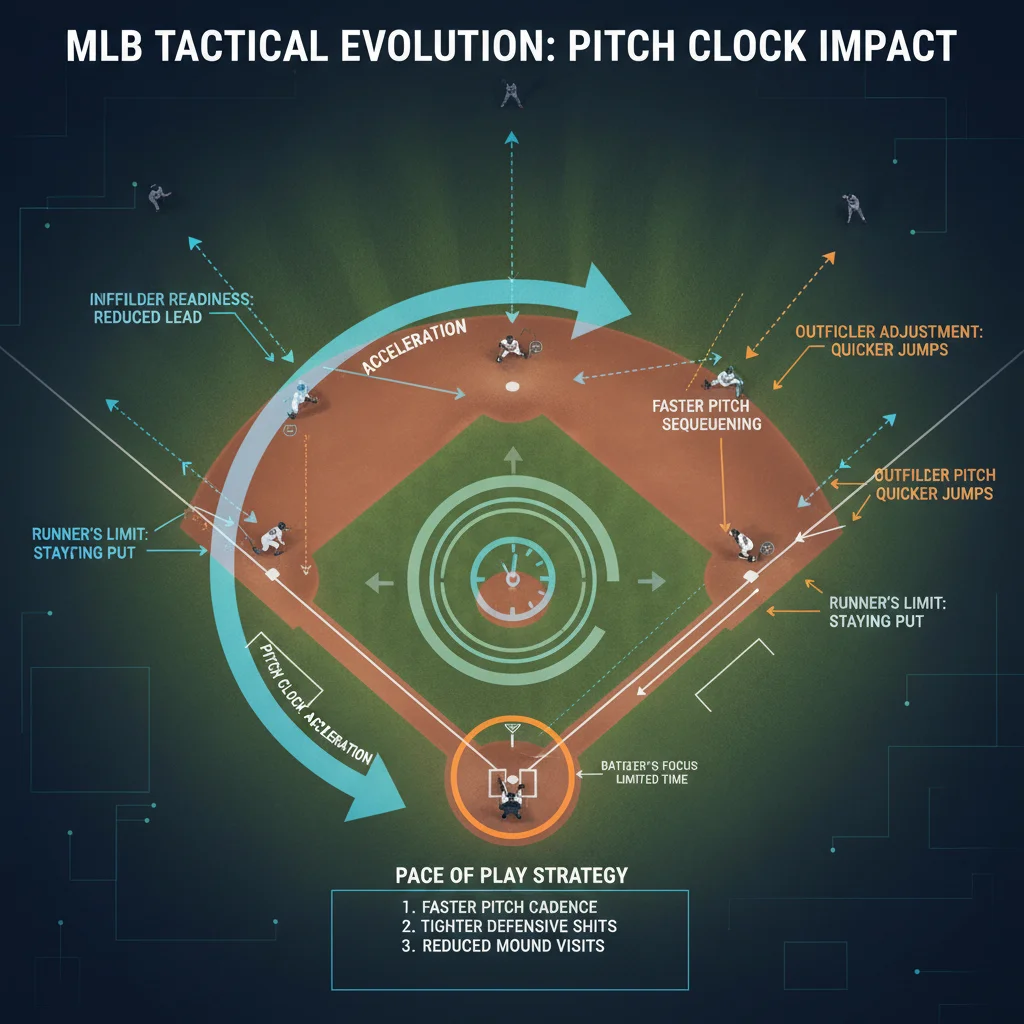
One of the most impactful MLB pitching rule changes introduced this season is the implementation of the pitch clock. This new regulation mandates a specific time limit for pitchers to deliver the ball to the plate, with different intervals depending on whether runners are on base. For pitchers, this means less time to collect their thoughts, communicate with catchers, and decide on their next offering, leading to a much faster game pace. The clock significantly reduces the lulls that sometimes characterized older MLB games, pushing every player to be more efficient and decisive.
The pitch clock sets a limit of 15 seconds between pitches when the bases are empty and 20 seconds when there are runners on base. If a pitcher fails to deliver the pitch within this timeframe, it results in an automatic ball. This penalty can be incredibly costly, especially in tight situations, forcing pitchers to maintain a consistent, quicker tempo throughout their outing. Hitters also face a clock, needing to be ready in the batter’s box by the eight-second mark, or they incur an automatic strike. This dual-sided enforcement ensures that both sides are contributing to a faster game.
Early observations show a noticeable decrease in average game times, which was a primary goal of the league. However, this faster pace also presents challenges, particularly for pitchers who traditionally relied on taking their time to reset or strategize. The mental and physical demands on pitchers are amplified, as they must now balance precision with speed. Adapting to the pitch clock requires not just a physical adjustment but also a significant mental shift in how pitchers approach each batter and each pitch sequence.
Another pivotal adjustment within the new MLB pitching rule changes involves the restriction on pickoff attempts. Previously, pitchers could throw over to a base as many times as they wished, often using it as a tactic to disrupt a runner’s lead or simply to slow down the game. This season, however, a pitcher is allowed only a limited number of disengagements from the rubber per plate appearance, which includes pickoff throws and step-offs. Exceeding this limit results in a balk, advancing all runners.
Specifically, pitchers are now permitted only two disengagements from the rubber per plate appearance while a runner is on base. A third disengagement, without recording an out, will result in a balk. If a runner is then picked off on a subsequent disengagement, the balk is nullified, and the out stands. This rule aims to encourage more stolen base attempts and create more action on the basepaths, which has been a point of emphasis for MLB to inject more excitement into games. It forces pitchers to be more strategic with their pickoff attempts, using them judiciously rather than as a routine part of their game.
This limitation has significant implications for both defensive and offensive strategies. Baserunners are now emboldened to take larger leads, knowing that pitchers have fewer opportunities to catch them off guard. This could lead to an increase in stolen bases and more aggressive baserunning in general. For pitchers, it means focusing more on holding runners through quick deliveries and varying their timing to the plate, rather than relying on multiple throws to first base. Catchers also play a more critical role in managing the running game, with quick throws to second or third becoming even more valuable.
The Larger Bases: Enhancing Safety and Action
Among the less discussed but equally important MLB pitching rule changes is the increase in the size of the bases. While not directly affecting pitching mechanics, this change has a ripple effect on how pitchers approach situations with runners on base and how fielders position themselves. The bases have been enlarged from 15 inches square to 18 inches square. This might seem like a minor alteration, but its impact on player safety and offensive opportunities is substantial, subtly influencing pitching strategies.
The primary reason for larger bases is to create more space for players, particularly during close plays at first base and second base, reducing collisions and potential injuries. The expanded surface area provides more room for baserunners and fielders, theoretically leading to fewer awkward tumbles and less contact. This safety aspect is paramount for player welfare and maintaining a healthy roster throughout a long season. Pitchers, while not directly interacting with the base size, benefit from a healthier infield, as fewer injuries mean more consistent defensive support behind them.
Strategic Implications for Pitchers and Fielders
Increased Stolen Base Attempts: The shorter distance between bases (due to larger bases effectively shrinking the distance) could further encourage baserunners to attempt steals. This puts more pressure on pitchers to vary their looks and quicken their delivery to the plate.
Improved Fielding Angles: Infielders might find slightly more room to operate on plays around the bases, potentially leading to smoother transitions and fewer errors. This can give pitchers more confidence in their defense.
Reduced Collision Risk: While not a direct pitching strategy, knowing that there’s a slightly lower risk of collisions at bases might allow fielders to play more aggressively, which indirectly benefits the pitcher by improving defensive range and plays.
Subtle Mental Impact: Pitchers might unconsciously feel a slight shift in how they view runners on base, knowing that the slight reduction in distance could make a difference in close plays.
Ultimately, while the larger bases don’t change how a pitcher throws the ball, they contribute to an environment that favors more action and safer play. This means pitchers must be even more vigilant about holding runners and executing perfect throws to the plate, as offensive teams are likely to capitalize on every inch. The cumulative effect of these rule changes is a faster, more dynamic, and potentially higher-scoring game.
Adapting to the New Tempo: Mental and Physical Adjustments
The collective impact of these MLB pitching rule changes demands significant mental and physical adjustments from every pitcher in the league. The days of leisurely strolls around the mound, extended conferences, or multiple pickoff attempts to reset are largely gone. Pitchers now operate under a constant ticking clock and heightened scrutiny of their movements. This new tempo requires a refined approach to preparation, in-game execution, and post-game recovery.
Mentally, pitchers must develop an internal clock and a routine that fits within the new time limits. This means making quicker decisions, trusting their instincts more, and having a clear plan for each batter before stepping onto the rubber. The pressure of the clock can be immense, especially in high-leverage situations, and maintaining composure under this added constraint is a skill that will differentiate successful pitchers. Some pitchers might even find themselves needing to simplify their pitch sequences or communication cues to stay within the allotted time.
Physically, the increased pace could lead to different demands on a pitcher’s body. While the total number of pitches might not drastically change, the reduced rest time between pitches means less opportunity for recovery during an inning. This could potentially influence stamina, arm health, and overall performance deeper into games. Pitchers and their training staff are likely re-evaluating conditioning programs to ensure they can maintain their velocity and command throughout an accelerated outing. The emphasis shifts towards efficient movement and sustained energy output.
Moreover, the limited disengagements mean pitchers must be more precise with their pickoff throws, making each one count. This adds another layer of mental and physical precision to their game. The strategic use of quick pitches and varying delivery times becomes even more critical to keep runners off balance without incurring penalties. It’s a delicate balance between adhering to the rules and effectively executing their craft, all while under increased time pressure.
Strategic Repercussions Across the League
The MLB pitching rule changes are not just altering individual performances; they are sending ripples through team strategies across the entire league. Managers and coaching staffs are meticulously analyzing game footage, crunching data, and experimenting with new tactics to optimize their play under the new regulations. This season is proving to be a grand experiment in adaptation, where the most agile and innovative teams will likely find the most success.
One significant repercussion is the renewed emphasis on the running game. With fewer pickoff attempts and larger bases, stolen bases are expected to be on the rise. This means offensive teams will likely prioritize players with speed and baserunning instincts, and pitching staffs will need to dedicate more practice time to holding runners and quick-to-the-plate deliveries. Pitchers who struggle to control the running game might find themselves at a disadvantage, leading to potential shifts in roster construction and player valuation.
Furthermore, bullpen management is undergoing a transformation. The faster pace of play means that relief pitchers might enter games with less time to warm up or mentally prepare. Managers will need to be more proactive in anticipating pitching changes and ensuring their relievers are ready to go at a moment’s notice. The effectiveness of ‘opener’ strategies or specialized relief roles could also be impacted, as every pitch and every decision now happens under a tighter clock. The pressure on pitching coaches to prepare their staff for these rapid transitions is immense.
Finally, the interplay between pitching and defense is more critical than ever. With potentially more balls in play due to the faster pace and fewer strikeouts (as pitchers might rush), defensive efficiency becomes paramount. Infielders and outfielders must be sharper, and team defense drills will likely emphasize quick reactions and flawless execution. The holistic impact of these rules means that success isn’t just about individual pitching prowess, but about how well the entire team unit adapts to the accelerated rhythm of modern MLB baseball.
Frequently Asked Questions
What is the primary goal of the new MLB pitching rule changes?
The primary goal is to improve the pace of play, reduce dead time, and increase action on the field, making baseball more appealing and engaging for fans and players alike.
How many pickoff attempts are pitchers allowed under the new rules?
Pitchers are generally allowed two disengagements from the rubber (including pickoff attempts) per plate appearance. A third disengagement without an out results in a balk, though if a runner is picked off on the third attempt, the out stands.
How has the size of the bases changed?
The bases have been increased in size from 15 inches square to 18 inches square. This change aims to improve player safety and subtly encourage more baserunning action by effectively shortening the distance between bases.
What happens if a pitcher violates the pitch clock?
If a pitcher fails to deliver the ball within the allotted time (15 seconds with no runners, 20 seconds with runners), an automatic ball is added to the count.
How do these changes affect hitters? Hitters are also subject to a clock, needing to be in the batter’s box and ready by the eight-second mark. Failing to do so results in an automatic strike. This ensures both sides contribute to the faster pace.
The MLB pitching rule changes implemented this season represent a bold step by Major League Baseball to revitalize the game. From the introduction of the pitch clock to the limitations on pickoff attempts and the enlargement of bases, these modifications are fundamentally altering the strategic landscape. Pitchers are now operating under increased pressure and tighter timelines, demanding greater efficiency, mental fortitude, and physical conditioning. Teams that successfully adapt to this new rhythm and leverage the strategic opportunities presented by these rules will undoubtedly excel.
These changes are not without their challenges, requiring significant adjustments from players, coaches, and managers alike. However, the early results suggest a more dynamic, action-packed, and engaging version of America’s pastime. As the season progresses, it will be fascinating to observe how individual players evolve their techniques and how team strategies continue to shift in response to these pivotal rule adjustments. The era of faster, more energetic baseball is here, and understanding these changes is key to appreciating the evolving beauty of the game.