New Basketball Rules: Impact on Game Pace Explained
This article delves into the significant impact of new basketball rules on game pace, player performance, and overall fan engagement. Discover how strategic adjustments are reshaping the sport.
By: pedropadm2025@gmail.com on agosto 22, 2026
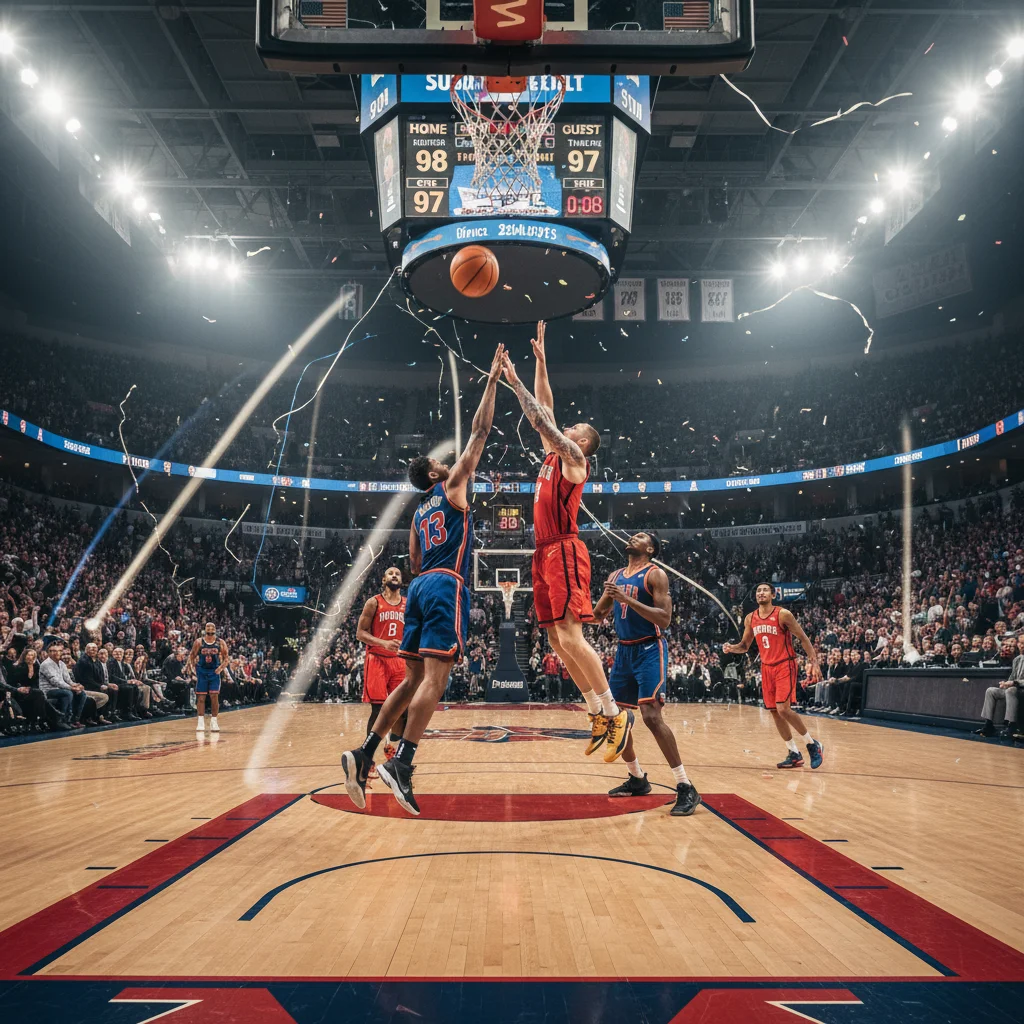
Basketball is a sport constantly evolving, and a significant part of this evolution comes from rule changes. These adjustments often aim to improve the game’s flow, enhance player safety, or increase scoring. Understanding the impact of new rules on basketball game pace is crucial for players, coaches, and fans alike, as these changes can fundamentally alter how the game is played and perceived.
Recent modifications have particularly focused on speeding up the game, reducing dead-ball situations, and promoting more offensive action. This article will explore various new rules and their cascading effects on everything from individual player strategies to team dynamics and the overall spectator experience. We’ll delve into how these seemingly minor tweaks can lead to major shifts in basketball’s rhythm and excitement.
The Shot Clock and Possession Changes
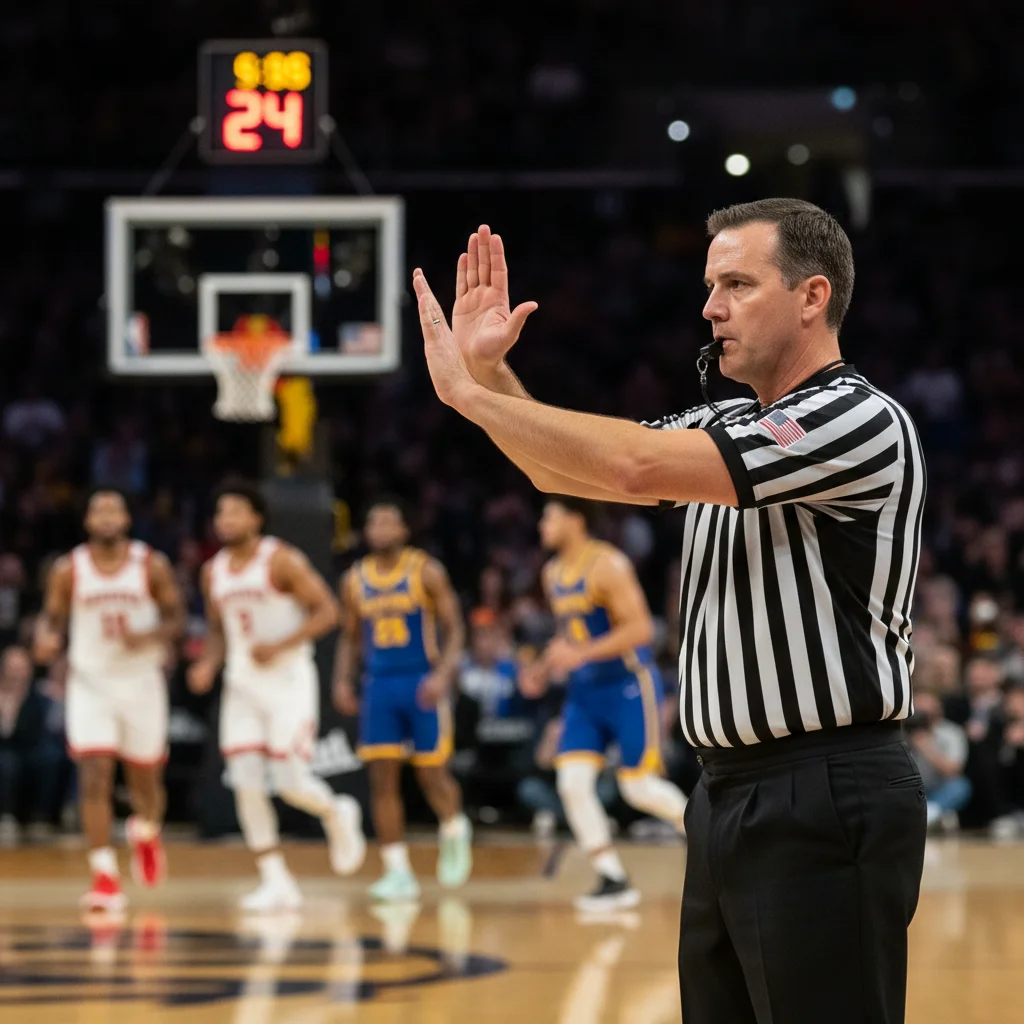
The shot clock is arguably one of the most influential rules in modern basketball, directly dictating the pace of play. Its primary function is to prevent teams from holding the ball indefinitely, thereby encouraging continuous offensive action and reducing stall tactics. When the shot clock was first introduced, it revolutionized the game, forcing teams to execute plays more quickly and efficiently, leading to higher scoring and a more exciting product for fans.
Recent adjustments to the shot clock, particularly concerning offensive rebounds and fouls, have further refined its impact. For instance, in some leagues, an offensive rebound now resets the shot clock to 14 seconds instead of the full 24 seconds. This change is designed to reward offensive rebounding with an advantage, but also to maintain a quicker pace by not allowing teams to completely reset their offensive possession after a missed shot.
These subtle shifts in shot clock rules have a profound impact on offensive strategies. Teams must now be even more disciplined in their offensive sets, knowing that second-chance opportunities come with less time to operate. This often translates into quicker decisions, more aggressive drives, and a higher tempo of play, as players are constantly aware of the ticking clock. The goal is to keep the ball moving and create scoring opportunities before the clock expires, leading to a more dynamic and less stagnant game.
Foul Calls and Free Throw Dynamics
Foul calls and how they are officiated play a critical role in shaping the rhythm and intensity of a basketball game. Over the years, rules concerning fouls have been refined to promote fluidity, protect players, and discourage excessive contact that slows down the action. Recent emphasis on reducing ‘non-basketball moves’ or ‘rip-through’ fouls, where offensive players might initiate contact solely to draw a whistle, has aimed to keep the game flowing more naturally.
When fewer marginal fouls are called, the game experiences fewer stoppages, which directly contributes to a faster pace. Players are encouraged to play through contact, and defenders are given more leeway to contest shots without fear of an immediate whistle. This can lead to more continuous play, fewer trips to the free-throw line, and ultimately, a more uninterrupted viewing experience for fans. The balance is always delicate, as officials must still protect players from dangerous contact, but the trend has been towards allowing more physical play.
The rules around free throws also influence game pace. For example, some leagues have experimented with reducing the number of free throws awarded for certain types of fouls, or even replacing them with a single free throw plus possession. These changes are often implemented to reduce the total time spent on free throws, which can be a significant drag on game momentum. While free throws are an integral part of basketball, minimizing their impact on game flow is a constant consideration for rule-makers seeking to optimize pace.
Defensive Strategies and Hand-Checking
The evolution of defensive rules, particularly the restrictions on hand-checking, has dramatically altered offensive and defensive strategies, subsequently influencing game pace. Hand-checking, which allowed defenders to use their hands to impede an offensive player’s movement, was largely eliminated from the game to promote more open play and increase scoring. This change had a profound and immediate impact on how basketball is played.
Without the ability to physically impede offensive players as easily, defenders had to adapt their techniques, relying more on footwork, anticipation, and positioning. This shift created more space on the court, making it easier for offensive players to drive to the basket, execute pick-and-rolls, and create shot opportunities. The result was a noticeable increase in offensive efficiency and a faster-paced game, as teams could score more quickly and transition play became more prevalent.
Impact on Player Skill Sets
Guard Play: Ball-handling guards benefited immensely, finding more freedom to penetrate defenses and create for themselves and teammates.
Wing Scoring: Players who excel at driving and shooting off the dribble became more valuable, leading to a proliferation of versatile wing scorers.
Defensive Adaptations: Defenders had to improve their individual on-ball defense without relying on hand contact, emphasizing lateral quickness and disciplined positioning.
Team Defense: Teams shifted towards more sophisticated help defense schemes and aggressive rotations to compensate for the inability to slow down offensive players at the point of attack.
The removal of hand-checking ultimately reshaped the ideal player profile and forced coaches to rethink their defensive philosophies, all contributing to a more free-flowing, up-tempo style of basketball that prioritizes skill and athleticism.
Out-of-Bounds and Backcourt Rules
Rules governing out-of-bounds plays and backcourt violations might seem minor, but they significantly contribute to the overall tempo of a basketball game. Changes in how the ball is put back into play after it goes out of bounds, or how quickly teams must advance the ball across half-court, are often implemented to reduce dead time and maintain continuous action. For instance, some leagues have introduced rules allowing for quicker inbound passes or reducing the time allowed to inbound the ball.
These seemingly small adjustments can shave seconds off each stoppage, and when accumulated over an entire game with numerous out-of-bounds situations, the effect on overall game pace can be substantial. The goal is to minimize the amount of time players stand around waiting for the game to resume, keeping them engaged and the action flowing. This also forces teams to be more organized and efficient in their inbound plays, as they have less time to set up complex actions.
Similarly, backcourt violation rules, which dictate how long a team has to bring the ball across the half-court line, are designed to prevent excessive stalling and encourage offensive progression. While the standard 8-second rule is widely known, any proposed changes or stricter enforcement can further compress the time teams have to initiate their offense. This pressure compels guards to push the ball up the court with greater urgency, often leading to more fast-break opportunities and a higher overall pace of play. The cumulative effect of these rules is a game that moves with greater urgency from one possession to the next.
Instant Replay and Game Stoppages
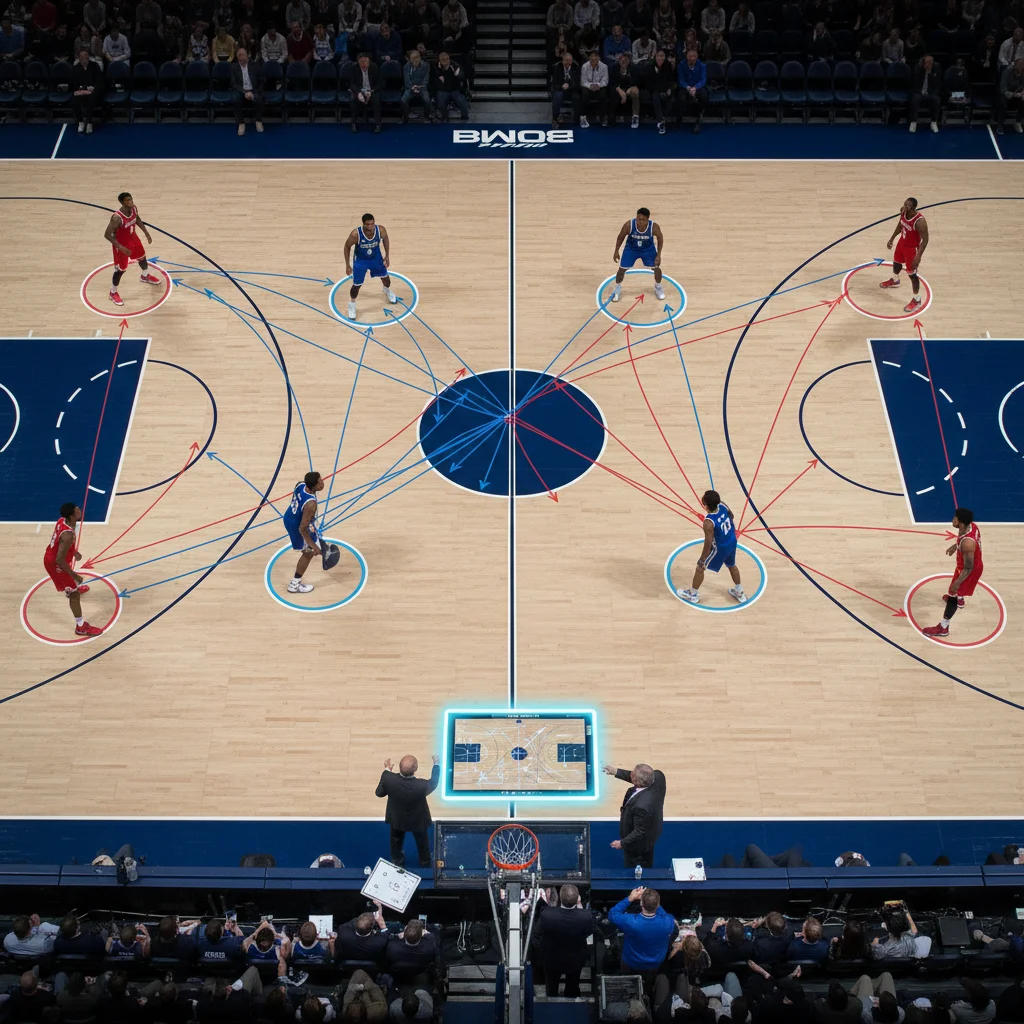
While many rule changes aim to speed up the game, the increasing reliance on instant replay presents a counter-argument to the desire for a faster pace. Instant replay, introduced to ensure accuracy in crucial calls, inevitably leads to game stoppages. Referees reviewing plays at courtside monitors, while vital for fairness, can significantly disrupt the flow and momentum of a game. This creates a tension between accuracy and pace, a challenge that rule-makers continuously try to balance.
The rules governing when and how instant replay can be used are constantly under review. Efforts are made to streamline the review process, limit the types of plays that can be reviewed, or even place time limits on reviews to mitigate their impact on game pace. For example, restricting challenges to only certain critical moments or allowing coaches a limited number of challenges are ways to manage replay usage without completely sacrificing its benefits. The objective is to get the call right without excessively prolonging the game.
Balancing Act with Technology
Accuracy vs. Flow: The primary benefit of replay is correcting missed calls, ensuring game integrity.
Fan Engagement: While some fans appreciate the accuracy, others find extensive stoppages frustrating and detrimental to the viewing experience.
Referee Training: Continued training for officials aims to reduce the need for replay by improving initial call accuracy.
Technological Advancements: Faster replay systems and clearer camera angles can help reduce review times, but the fundamental stoppage remains.
Ultimately, the challenge with instant replay is to harness its power for fairness without letting it become an impediment to the dynamic, fast-paced nature that makes basketball so exciting. Finding this equilibrium is an ongoing process that shapes the modern game.
Frequently Asked Questions
Q: Do new rules always lead to a faster game pace?
A: Not always. While many modern rule changes aim to increase pace by reducing stoppages and encouraging offense, rules like expanded instant replay can sometimes slow the game down by introducing review periods. It’s a continuous balancing act for rule-makers.
Q: How do rule changes affect player training and strategy?
A: Rule changes significantly impact player training. For example, restrictions on hand-checking forced defenders to focus more on footwork and lateral quickness. Offenses adapt by creating plays that exploit new spacing and faster possession clocks, demanding quicker decision-making.
Q: What is the main goal behind most basketball rule adjustments?
A: Most rule adjustments aim to improve the game’s flow, increase scoring, enhance player safety, and make the sport more entertaining for fans. They seek to strike a balance between tradition and modernization.
Q: Have there been any recent rule changes that were controversial?
A: Yes, rule changes often spark debate. For instance, the stricter enforcement of ‘non-basketball move’ fouls, while intended to reduce deceptive contact, has sometimes been controversial among players and coaches regarding its interpretation and impact on offensive freedom.
Q: How can fans stay updated on new basketball rules?
A: Fans can stay updated by following official league announcements (like NBA.com, FIBA.basketball), sports news outlets, and reputable basketball analysis sites. Many leagues also publish rulebooks or summaries of changes before new seasons.
The dynamic nature of basketball is continually shaped by its evolving rulebook. Understanding the impact of new rules on basketball game pace reveals a constant effort by governing bodies to refine the sport, ensuring it remains exciting, fair, and competitive. From the subtle adjustments to the shot clock and offensive rebound resets to the dramatic elimination of hand-checking, each change reverberates through every aspect of the game. These modifications compel players to adapt their skills, coaches to innovate strategies, and officials to maintain a delicate balance between enforcement and flow.
Ultimately, these rule changes are designed to optimize the fan experience, promoting a faster, more fluid, and high-scoring game while safeguarding player well-being. The ongoing dialogue around instant replay highlights the complexities of modernizing a beloved sport, balancing accuracy with the desire for uninterrupted action. As basketball continues to grow globally, the evolution of its rules will remain a critical factor in defining its future, promising an ever-engaging spectacle for enthusiasts worldwide.
Peter B holds a degree in Journalism and has 5 years of experience covering U.S. economic policy, labor markets, and financial news. He writes data-driven news content on topics like inflation, interest rates, and employment trends.