Umpire Strike Zone Tendencies: Gain Extra Strikes Per Game
Mastering umpire strike zone tendencies can significantly boost a pitcher's effectiveness. This guide offers a 3-step approach to understanding and exploiting these patterns, helping you gain crucial extra strikes and improve your game performance.
By: pedropadm2025@gmail.com on agosto 22, 2026
For any baseball pitcher, gaining an edge can be the difference between a good outing and a great one. Understanding umpire strike zone tendencies is one of the most overlooked yet impactful strategies in the game. By learning how individual umpires call pitches, you can subtly adjust your approach to earn an extra strike or two per game. This might sound like a small gain, but those extra strikes accumulate, leading to more favorable counts, fewer walks, and ultimately, more strikeouts and wins.
This guide will walk you through a practical, 3-step process to identify, adapt to, and leverage umpire strike zone patterns. It’s about smart pitching, not just throwing hard. We’ll explore how to gather information, interpret it, and then apply that knowledge effectively on the mound. Mastering this skill can elevate your game significantly, giving you a distinct advantage over hitters who remain unaware of these crucial nuances.
Step 1: Pre-Game Scouting – Know Your Umpire
Before you even step onto the field, a significant part of understanding umpire strike zone tendencies happens off it. Just as you scout opposing hitters, you should also scout the umpire. This pre-game preparation involves gathering information about the home plate umpire’s historical strike zone calls. Many advanced baseball leagues, from college to professional, now have access to pitch-tracking data that can reveal these patterns. Even at lower levels, careful observation and communication with coaches and teammates can provide valuable insights.
The goal is to identify if an umpire has a ‘tight’ or ‘expansive’ zone, and more specifically, where those tendencies lie. Do they consistently call pitches on the black of the plate as strikes? Are they generous with pitches low and away, or high and inside? These are the kinds of questions you want to answer. Having this information beforehand allows you to formulate a preliminary pitching plan tailored to that specific umpire, giving you a head start before the first pitch is even thrown.
Leveraging Available Data
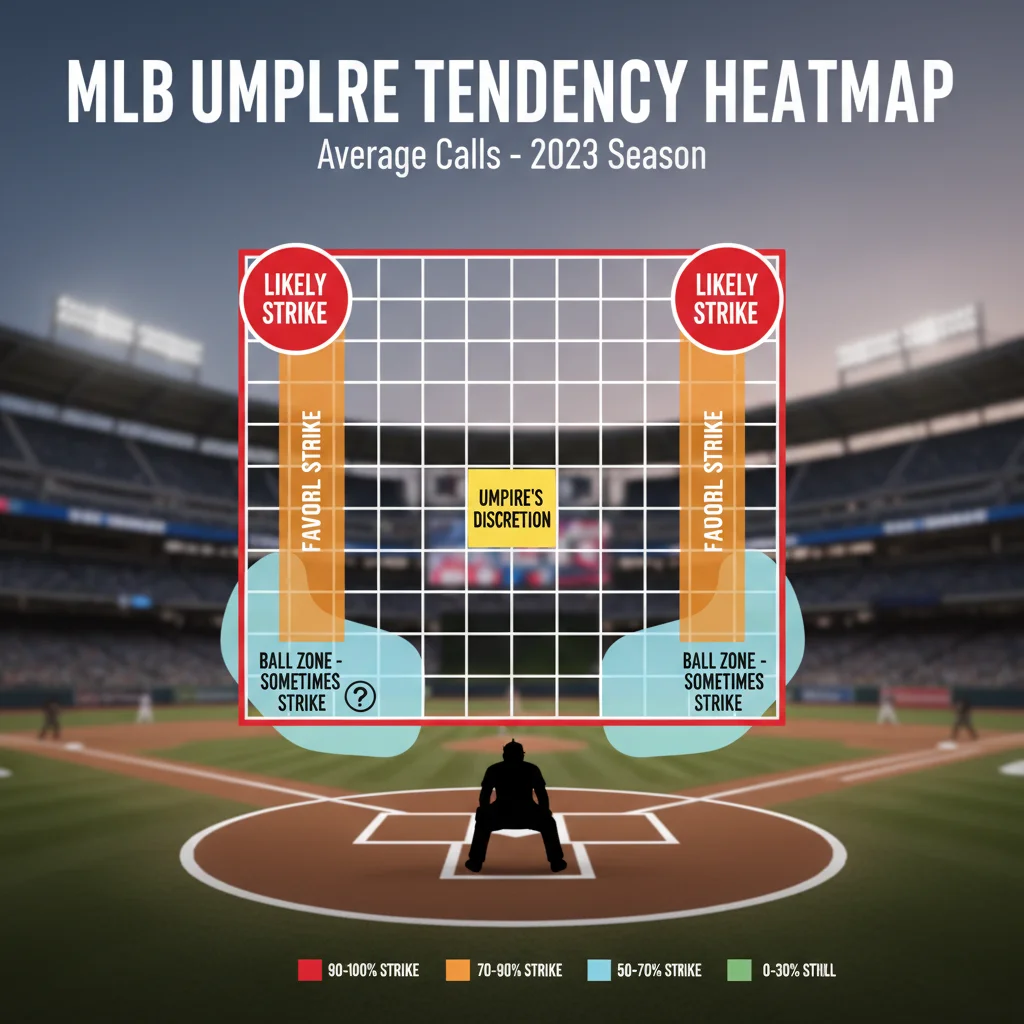
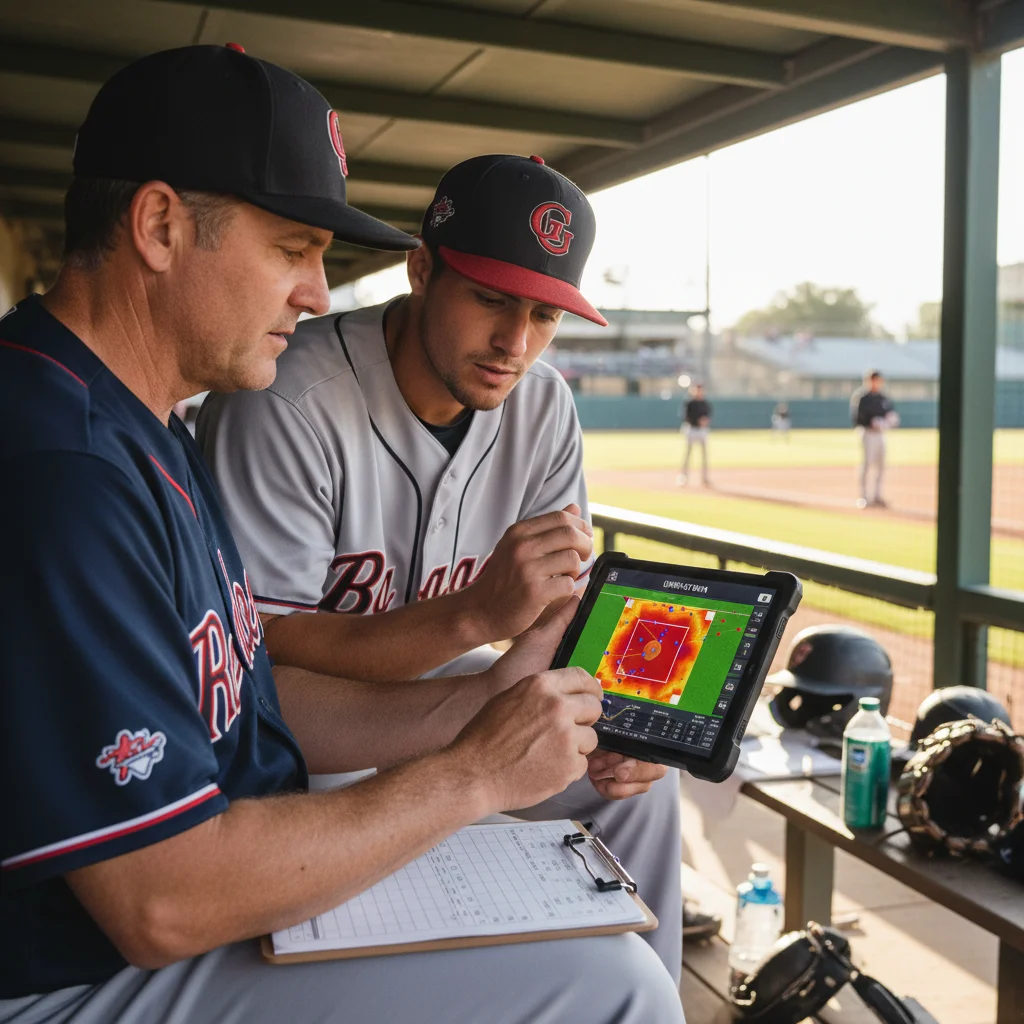
Modern baseball offers a wealth of data, and umpire strike zone analysis is a prime example of how to use it effectively. Many organizations now track every pitch, recording its location and the umpire’s call. This data can be compiled into visual representations, like heat maps, that clearly show an umpire’s preferred strike zone. Reviewing these heat maps for the assigned home plate umpire can immediately highlight areas where they are more or less likely to call a strike, even if the pitch is technically outside the rulebook strike zone. This isn’t about manipulating the game; it’s about understanding human tendencies and using that knowledge to your advantage within the spirit of the rules.
For instance, if an umpire consistently calls a low-and-outside pitch a strike for right-handed batters, a right-handed pitcher might strategically target that area more often. Conversely, if an umpire rarely calls a high pitch a strike, even if it nicks the top of the zone, you might avoid pitching up in the zone unless it’s a clear swing-and-miss offering. This data-driven approach removes guesswork and replaces it with informed decision-making, which is crucial for maximizing your performance on the mound. It’s about being prepared and knowing what to expect from the person behind the plate.
Step 2: In-Game Observation & Adjustment
While pre-game scouting provides a solid foundation, the real-time observation during the game is equally critical for understanding umpire strike zone tendencies. Umpires are human, and their strike zones can vary not only from game to game but even within a single game, influenced by factors like the flow of play, the pitcher’s control, or even the batter’s reactions. Therefore, constant vigilance and the ability to adjust on the fly are paramount. Pay close attention to the very first pitches of the game, especially those on the edges of the strike zone. These early calls often set the tone for how the umpire will call pitches for the rest of the game.
Don’t just focus on your own pitches. Watch how the umpire calls pitches for the opposing pitcher as well. This provides a broader sample of their strike zone and helps confirm any patterns you might have identified during pre-game scouting. Communicate with your catcher; they have the best view of the strike zone and can offer immediate feedback on the umpire’s calls. This collaborative approach ensures that you’re both on the same page and can make quick, informed adjustments to your pitching strategy.
Making in-game adjustments based on these observations is where the true art of pitching comes into play. If you notice the umpire is calling a generous outside corner for both left and right-handed hitters, you can confidently work that part of the plate more often. If they have a tight zone up high, you might want to bring your elevated fastballs down a few inches to ensure they catch the plate. These small adjustments can prevent walks, generate more called strikes, and keep you in more favorable counts. It’s a dynamic process that requires focus and adaptability throughout the entire game, not just for the first few innings. Remember, every pitch is an opportunity to learn and refine your approach.
Step 3: Strategic Pitching – Exploiting the Edges
Once you have a good grasp of the umpire’s strike zone tendencies, the next step is to strategically exploit those edges. This doesn’t mean intentionally throwing pitches that are clearly balls and hoping for a call; rather, it means confidently working the areas where the umpire has shown a propensity to call strikes, even if they are borderline. This is where you can gain those crucial 1-2 extra strikes per game. Understanding the umpire’s ‘personal’ strike zone allows you to expand your effective zone, forcing hitters to swing at pitches they might normally let go or taking called strikes on pitches they expect to be balls.
For example, if you’ve observed that the umpire consistently calls pitches just off the outside corner a strike to a right-handed batter, you can throw your fastball or slider to that spot with greater confidence. This creates a psychological advantage as well; hitters will begin to recognize the umpire’s tendencies too, and might swing at pitches they previously wouldn’t have. It’s about precision and placement, using the umpire’s patterns as an additional tool in your pitching arsenal. Your catcher plays a vital role here, framing pitches effectively to maximize the chance of getting those borderline calls.
It’s also important to recognize when an umpire’s zone might be shrinking or expanding throughout the game. Factors like a long inning, a contentious play, or even the score can subtly influence an umpire’s calls. Being able to adapt your strategy accordingly is a hallmark of an experienced pitcher. If the zone tightens, you might need to challenge hitters more directly over the heart of the plate until the zone opens back up. Conversely, if it expands, you can be more aggressive working the edges. This constant evaluation and adjustment are what separate good pitchers from great ones, allowing them to consistently perform at a high level regardless of who is behind the plate.
The Catcher’s Role in Strike Zone Management
The catcher is arguably the most crucial partner in managing the umpire strike zone. Their view of the plate is unparalleled, and their ability to frame pitches can significantly influence whether a borderline pitch is called a strike or a ball. Framing involves subtly moving the glove after receiving the pitch to make it appear as if the ball crossed the plate within the strike zone. A skilled catcher can “steal” strikes for their pitcher, especially on pitches that are just off the black. This technique, when done effectively and without obvious deception, can turn 50/50 calls into strikes, directly contributing to those extra strikes per game.
Effective communication between pitcher and catcher is vital for successful strike zone management. Before the game, they should discuss the scouted umpire tendencies and formulate a plan. During the game, quick signals or glances can convey information about the umpire’s current zone. For instance, a catcher might subtly indicate that the umpire is giving the outside corner, prompting the pitcher to target that area more aggressively. This non-verbal communication is a cornerstone of a strong battery and can significantly enhance a pitcher’s ability to work the edges of the zone effectively.
Beyond framing and communication, a catcher’s overall demeanor can also influence an umpire. A catcher who is respectful, consistent, and doesn’t openly argue calls is more likely to earn the benefit of the doubt on close pitches than one who is confrontational. Building a good rapport with the umpire, even if it’s just through professional conduct, can subtly work in your favor. This doesn’t mean umpires are biased, but rather that human interaction plays a role. A professional and focused catcher can create an environment where borderline calls are more likely to go their team’s way, adding another layer to optimizing the umpire strike zone.
Adapting to Different Umpire Personalities
Just like players, umpires have distinct personalities and approaches to their craft, which can influence their strike zone. Some umpires are known for calling a very consistent, by-the-book zone, while others might have a slightly more fluid interpretation. Recognizing these different personalities and adapting your pitching strategy accordingly is a key element of mastering the umpire strike zone. It’s not just about pitch location; it’s also about understanding the human element behind the plate. A pitcher who can quickly read an umpire’s style and adjust their approach will always have an advantage.
For instance, an umpire known for a “tight” zone might require you to work more pitches directly over the plate, minimizing pitches on the very edges. In contrast, an umpire with a “generous” zone might allow you to expand your target areas, confidently throwing pitches that are a bit more off the plate. This adaptation extends to pitch selection and sequencing. Against a tight zone, you might rely more on pitches that generate swings and misses, like breaking balls, to avoid walks. Against a generous zone, you might be able to “pitch backwards” more effectively, starting hitters with off-speed pitches for called strikes.
Beyond the actual calls, an umpire’s personality can also dictate how you interact with them. Maintaining a respectful and professional demeanor is always important, but understanding if an umpire prefers minimal interaction or is open to brief, polite questions can also be beneficial. This doesn’t mean arguing calls, which is almost always counterproductive. Instead, it’s about being aware of the umpire as an individual and integrating that awareness into your overall game strategy. By considering these human factors, you add another layer of sophistication to your pitching, further enhancing your ability to control the strike zone and gain those crucial extra strikes per game.
Frequently Asked Questions
What is an umpire strike zone tendency?
An umpire strike zone tendency refers to the consistent patterns or preferences an individual home plate umpire shows when calling balls and strikes. This might include being generous on certain corners, tight on others, or having a generally larger or smaller strike zone than the official rulebook definition.
How can I find out an umpire’s tendencies before a game?
At higher levels, pitch-tracking data and scouting reports can provide detailed insights into an umpire’s historical calls. At lower levels, you can ask coaches, teammates, or other players who have previously played under that umpire for their observations and experiences.
Does understanding umpire tendencies mean I should throw pitches outside the strike zone?
No, it means you should confidently work the edges of the strike zone where a specific umpire has shown a tendency to call strikes, even if those pitches are borderline. It’s about maximizing your chances on close calls, not intentionally throwing bad pitches.
What role does the catcher play in this strategy?
The catcher is crucial. They have the best view of the strike zone, can provide immediate feedback, and their pitch-framing skills can significantly influence an umpire’s call on borderline pitches, effectively “stealing” strikes.
Can an umpire’s strike zone change during a game?
Yes, an umpire’s strike zone can subtly shift during a game due to various factors like the game’s flow, the pitcher’s control, or even a long inning. Constant observation and in-game adjustment are important to adapt to these changes.
Mastering the umpire strike zone is a sophisticated yet accessible strategy that can profoundly impact a pitcher’s performance. By diligently following this 3-step guide—starting with thorough pre-game scouting, moving to acute in-game observation and adjustment, and culminating in strategic exploitation of the zone’s edges—pitchers can unlock a significant advantage. This isn’t about bending the rules, but rather understanding the human element inherent in the game and using that knowledge to your benefit. Gaining an extra 1-2 strikes per game might seem minor, but these seemingly small increments compound over an outing, leading to more efficient innings, fewer walks, and increased confidence on the mound.
The synergy between pitcher and catcher, combined with a respectful understanding of umpire personalities, further enhances this approach. Ultimately, a pitcher who understands and adapts to umpire strike zone tendencies demonstrates a higher level of baseball IQ and preparedness. This skill set transforms pitching from a purely physical act into a strategic chess match, where every pitch and every call carries weight. Embrace this analytical approach, and you’ll not only improve your personal statistics but also contribute more significantly to your team’s success. Start applying these principles today and watch your game elevate.
Peter B holds a degree in Journalism and has 5 years of experience covering U.S. economic policy, labor markets, and financial news. He writes data-driven news content on topics like inflation, interest rates, and employment trends.