Boost Your Free Throw Percentage: A 10% Improvement Guide
Ready to dramatically improve your free throw percentage? This comprehensive guide breaks down the essential steps, from perfecting your shooting form to mastering the mental aspects of the game, helping you consistently hit those crucial shots.
By: pedropadm2025@gmail.com on agosto 22, 2026
Improving Your Basketball Free Throw Percentage by 10%: A Step-by-Step Guide
Many basketball players dream of consistently sinking free throws, and significantly improving your free throw percentage by 10% or more is an achievable goal with dedication and the right approach. Free throws are often called “free” for a reason – they are uncontested shots that can dramatically impact a game’s outcome. Mastering this fundamental skill can transform your offensive game, giving you and your team a crucial advantage in tight situations. This guide will walk you through a comprehensive strategy to elevate your free throw shooting, focusing on technique, mental fortitude, and consistent practice.
Achieving a noticeable jump in your free throw percentage isn’t just about repetition; it’s about smart repetition. We’ll explore how to break down the shot into manageable components, identify common errors, and implement targeted drills to build muscle memory and confidence. Whether you’re a seasoned player or just starting, understanding these principles will set you on the path to becoming a more reliable free throw shooter, making every trip to the charity stripe count. Let’s dive into the specifics that will help you make that crucial 10% improvement.
Mastering the Fundamentals of Free Throw Form
The foundation of a higher free throw percentage lies in a consistent and repeatable shooting form. Without a solid base, any mental preparation or practice volume will only yield inconsistent results. It’s essential to approach your form with a meticulous eye, breaking down each element from your feet to your fingertips. This ensures that every time you step to the line, you’re setting yourself up for success, minimizing variables that can lead to missed shots.
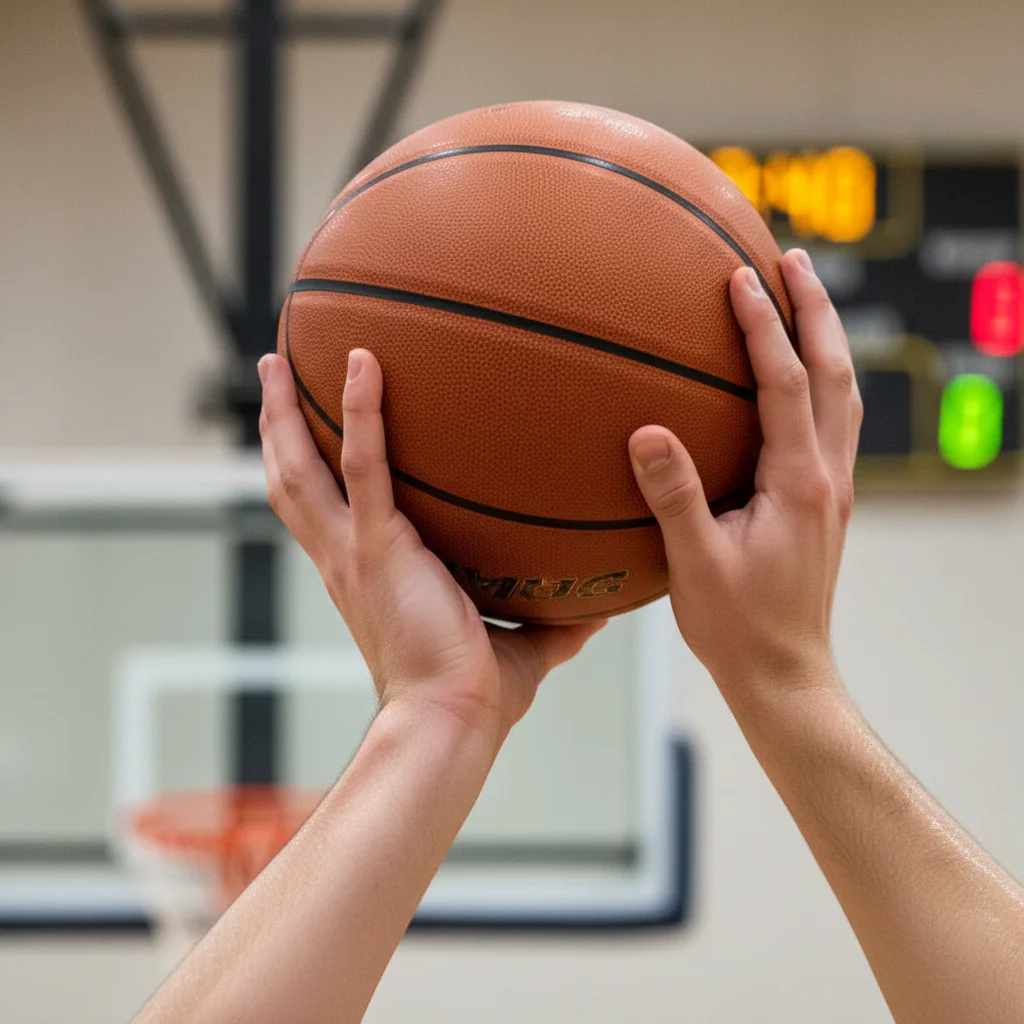
Starting with your stance, position your dominant foot slightly ahead of your non-dominant foot, pointing towards the basket. Your shoulders should be square to the hoop, and your knees slightly bent, ready to provide power for the shot. The ball should rest comfortably in your shooting hand, with your guide hand lightly supporting it on the side. This setup creates a stable platform from which to launch your shot, promoting balance and control. Consistency in this initial setup is paramount; it’s the first step in building a reliable shooting rhythm.
The actual shooting motion involves a smooth, fluid upward movement, extending your arm towards the basket. Your elbow should stay tucked in, directly under the ball, and your wrist should snap forward, creating backspin. The follow-through is just as crucial as the release; your shooting hand should finish as if reaching into the cookie jar, with your fingers pointing towards the basket. This complete motion ensures the ball travels on a consistent arc, increasing its chances of going through the net. Practicing this full sequence, focusing on each small detail, is key to developing a high free throw percentage.
Developing a Consistent Pre-Shot Routine
A consistent pre-shot routine is arguably as important as the shooting form itself when it comes to improving your free throw percentage. This routine acts as a mental and physical anchor, signaling to your body and mind that it’s time to execute. It helps to block out distractions, calm nerves, and establish a rhythm before you even begin your shooting motion. Many professional players swear by their routines, understanding that consistency in preparation leads to consistency in performance.
Your routine should be personal, comfortable, and repeatable under pressure. It could involve a specific number of dribbles, a deep breath, or a visual cue. The key is to perform the exact same sequence of actions every single time you step to the free throw line. This repetition builds a strong mental association, making the act of shooting a free throw almost automatic. When the pressure is on, falling back on a well-rehearsed routine can prevent overthinking and allow your muscle memory to take over, drastically improving your free throw percentage.
Elements of an Effective Pre-Shot Routine:
Deep Breath: Take a deep, calming breath to slow your heart rate and clear your mind.
Ball Spin/Dribbles: Perform a consistent number of dribbles or spins of the ball to get a feel for it.
Visual Cue: Focus on a specific spot on the rim or the net, visualizing the ball going in.
Mental Affirmation: Briefly tell yourself you’re going to make the shot, reinforcing confidence.
Body Alignment Check: Quickly ensure your feet and shoulders are aligned correctly before initiating the shot.
Once you’ve established your routine, practice it diligently during every free throw attempt, whether in practice or a game. The more you ingrain this sequence, the more effective it will become in helping you maintain composure and execute your shot, ultimately contributing to a higher free throw percentage. It’s about creating a ritual that prepares you for success.
Targeted Drills for Free Throw Accuracy
Simply shooting hundreds of free throws without purpose won’t necessarily lead to a significant improvement in your free throw percentage. To truly elevate your game, you need targeted drills that isolate specific aspects of your shot and challenge your consistency under varying conditions. These drills help build muscle memory, refine technique, and increase your mental toughness, all crucial components of becoming a reliable free throw shooter. A structured approach to practice will yield far better results than random shooting.
One highly effective drill is the “Swish Drill,” where the goal is to make the free throw without the ball touching the rim. This forces you to focus on a perfect arc and a soft touch, which are essential for increasing your free throw percentage. Another valuable exercise is the “Pressure Free Throw Drill,” where you shoot a set number of free throws after intense physical exertion, simulating game-like fatigue. This helps you maintain form and focus when tired, a common challenge in actual games.
Incorporating competitive elements into your free throw practice can also be incredibly beneficial. For instance, challenge yourself to make 10 free throws in a row, or compete with a teammate to see who can make the most out of 20 attempts. These friendly competitions introduce a mild form of pressure, helping you get accustomed to performing when the stakes are slightly higher. By systematically working through these types of drills, you’ll not only improve your physical execution but also strengthen your mental resilience at the line, significantly boosting your free throw percentage.
The Mental Game: Confidence and Focus
Beyond the physical mechanics, the mental game plays a monumental role in your free throw percentage. Even with perfect form, self-doubt, anxiety, or a lack of focus can lead to missed shots. The free throw line is often described as the loneliest place on the court, where all eyes are on you. Developing mental toughness and confidence is therefore just as critical as perfecting your shooting stroke. It’s about controlling your internal dialogue and maintaining composure when it matters most.
One powerful mental technique is visualization. Before you even step to the line, close your eyes for a moment and vividly imagine the ball swishing through the net. Feel the perfect release, hear the sound of the net, and see the ball dropping cleanly. This positive mental rehearsal can program your mind for success and build unwavering confidence. Another strategy involves focusing solely on your routine and the present moment, rather than the outcome or the pressure of the situation. By staying in the moment, you prevent your mind from wandering to negative thoughts or past mistakes.
Overcoming negative self-talk is also vital. If you miss a free throw, acknowledge it, learn from it, and immediately shift your focus to the next shot. Dwelling on mistakes only breeds more anxiety. Instead, replace negative thoughts with positive affirmations, reminding yourself of your capabilities and the countless hours you’ve put into practice. Cultivating a resilient mindset that embraces challenges and learns from setbacks will empower you to perform at your best, even under intense pressure, thereby elevating your free throw percentage significantly.
Consistency and Tracking Progress
Improving your free throw percentage by a significant margin, such as 10%, is not a one-time fix but an ongoing process that demands consistency and diligent tracking of your progress. Without regular practice and an objective way to measure your performance, it’s difficult to identify areas for improvement or even confirm that your efforts are paying off. Consistency isn’t just about showing up; it’s about applying the same focus and intensity to every practice session, ensuring that each shot contributes to your overall development.
Establishing a regular practice schedule is fundamental. Even short, focused sessions several times a week can be more effective than one long, infrequent session. During these sessions, make sure to integrate all the elements discussed: proper form, your pre-shot routine, and targeted drills. The more consistently you apply these techniques, the more ingrained they will become in your muscle memory, making them second nature during games when pressure is at its peak. This sustained effort is what truly builds a reliable free throw percentage over time.
Tracking your free throw percentage is equally important. Keep a simple log of how many free throws you attempt and how many you make during each practice. Note the conditions (e.g., fresh, fatigued, under pressure) and any specific insights about your performance. This data provides valuable feedback, allowing you to see patterns, celebrate improvements, and identify specific weaknesses that need more attention. For instance, you might discover you shoot better at the beginning of practice than at the end, indicating a need for more fatigue shooting. By consistently practicing and meticulously tracking your progress, you’ll gain the insights and experience needed to achieve and maintain a significantly improved free throw percentage.
Frequently Asked Questions
Q: How often should I practice free throws to see improvement?
A: Aim for 3-5 times a week, with each session lasting 15-30 minutes. Consistency is more important than length, so shorter, focused sessions are better than infrequent long ones.
Q: What’s the most common mistake players make with free throws?
A: A very common mistake is inconsistency in form, particularly with the follow-through and elbow tuck. Many players also rush their routine or lack a routine altogether, leading to mental lapses.
Q: Can visualization really help my free throw percentage?
A: Absolutely. Visualizing success before shooting helps build confidence, reduces anxiety, and primes your mind for positive outcomes, making it a powerful mental tool.
Q: Should I practice free throws when I’m tired?
A: Yes, practicing free throws when fatigued simulates game conditions and helps you maintain your form and focus under pressure. Include this in your regular training.
Q: How long does it typically take to see a 10% improvement?
A: The timeline varies by individual, but with consistent, targeted practice and mental preparation, many players can see noticeable improvement within 4-8 weeks.
Improving your free throw percentage by 10% is an ambitious yet entirely achievable goal that can significantly impact your performance on the basketball court. This comprehensive guide has walked you through the essential steps, emphasizing that success at the charity stripe is a blend of precise technique, a disciplined mental approach, and consistent, targeted practice. By meticulously refining your shooting form, developing a repeatable pre-shot routine, and integrating specialized drills into your training, you lay the physical groundwork for mastery.
Equally important is cultivating a strong mental game, utilizing visualization and positive self-talk to build unwavering confidence and focus under pressure. Remember, the free throw line is as much a mental challenge as it is a physical one. Finally, the commitment to consistent practice and diligent tracking of your progress provides the feedback loop necessary for continuous improvement. Embrace these strategies, and you’ll not only see your free throw percentage climb but also gain a valuable edge in every game you play. Start today, and make every free throw count!
Peter B holds a degree in Journalism and has 5 years of experience covering U.S. economic policy, labor markets, and financial news. He writes data-driven news content on topics like inflation, interest rates, and employment trends.