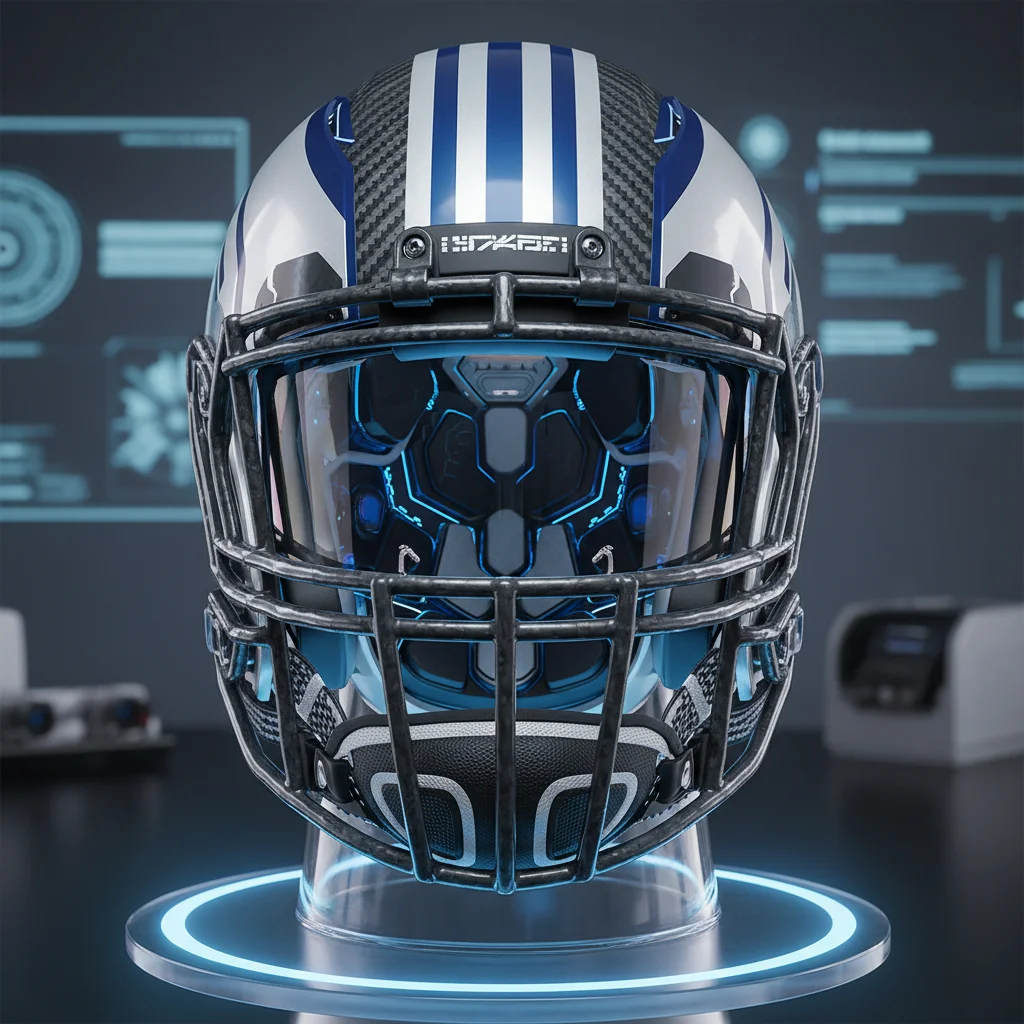
Football Equipment Evolution: Safety & Performance Gains
Discover how the football equipment evolution has transformed the game. This post details key innovations in helmets, pads, and footwear, highlighting their impact on player safety and athletic performance over the past decade.
By: Michael Sete on agosto 22, 2026
The world of football has seen incredible changes over the past decade, especially concerning player protection and athletic capability. The football equipment evolution has been a driving force behind these shifts, moving far beyond simple padding to incorporate advanced materials and smart technology. This transformation isn’t just about making players feel safer; it’s about fundamentally altering how the game is played by allowing athletes to perform at their peak with reduced risk.
From revolutionary helmet designs to lighter, more resilient pads and specialized footwear, every piece of gear has undergone significant refinement. These innovations directly address critical concerns like concussions and other impact injuries, while also providing players with the comfort and flexibility needed to excel. Understanding this evolution helps us appreciate the ongoing commitment to athlete well-being and the continuous pursuit of excellence in sports engineering.
Revolutionizing Head Protection: The Helmet’s New Era
For decades, the football helmet remained largely unchanged, focusing primarily on absorbing direct impacts. However, the last ten years have brought about a dramatic shift in how we approach head protection, driven by increasing awareness of concussion risks. Modern helmets are no longer just hard shells; they are complex systems engineered to manage rotational forces and diffuse impact energy across a larger area. This new era of helmet design incorporates multi-layered padding, liquid-filled bladders, and even sensor technology to better protect players.
Engineers and designers have worked tirelessly to create helmets that not only meet but exceed stringent safety standards. These advancements involve using new materials that are both lighter and more durable, reducing the strain on a player’s neck while offering superior protection. The goal is to minimize the sudden jarring motion that can lead to concussions, making the game safer for everyone involved. This focus on rotational energy management represents a significant leap forward in sports safety.
Key Helmet Innovations
Multi-Density Padding: Layers of different foam densities work together to absorb varied impact strengths.
Liquid or Air Bladders: These internal systems conform to the head, providing a custom fit and distributing forces more effectively.
Flexibility in Shell Design: Some helmets feature shells designed to slightly deform on impact, further dissipating energy.
Sensor Technology: Integrated sensors can monitor impacts and provide data for further analysis and player safety protocols.
These innovations collectively contribute to a new standard of head protection, changing how athletes can safely engage in high-impact plays. The continuous research and development in this area promise even greater safety improvements in the years to come, solidifying the importance of the ongoing football equipment evolution.
The Transformation of Shoulder and Body Pads
Beyond helmets, shoulder pads and other protective body gear have also seen a remarkable transformation in recent years. Historically, shoulder pads were bulky and restrictive, designed mainly to prevent bone fractures from direct hits. Today’s pads are engineered with a dual purpose: to offer superior protection against a wider range of impacts while simultaneously enhancing player mobility. This balance is crucial, as players need to move freely and quickly to perform at their best.
Modern shoulder pads utilize advanced composite materials, often seen in aerospace technology, which are significantly lighter and stronger than traditional plastics. They feature modular designs, allowing for customization based on a player’s position and preference, ensuring optimal fit and coverage without unnecessary bulk. This tailored approach means a lineman might have different padding requirements than a wide receiver, and modern equipment can accommodate these nuances.
The strategic placement of impact-absorbing foams and plates helps to protect vital areas like the sternum, ribs, and collarbones. These materials are designed to dissipate force more efficiently, reducing the likelihood of severe bruising or internal injuries. The focus has shifted from simply stopping a blow to intelligently managing the energy transfer from an impact, making every hit less jarring for the player.
Furthermore, innovations in moisture-wicking and breathable fabrics integrated into the pads help regulate body temperature, reducing fatigue and improving comfort throughout a game. This attention to detail in materials and design ensures that protective gear doesn’t hinder performance but rather supports it, allowing athletes to concentrate on the game without discomfort or restriction. The evolution of these pads truly showcases the dedication to comprehensive player welfare.
Footwear Advancements: Grip, Speed, and Support
Football cleats, often overlooked in discussions of protective gear, play a vital role in both performance and injury prevention. The last decade has brought significant advancements in footwear design, moving beyond basic spikes to highly specialized tools engineered for specific playing surfaces and positions. Modern cleats are a blend of lightweight materials, advanced traction patterns, and biomechanical support systems designed to maximize speed, agility, and stability on the field.
Manufacturers now use sophisticated computer modeling to develop sole plates that offer optimal grip on various turf types, from natural grass to artificial surfaces. This precision engineering helps players make sharper cuts, accelerate faster, and maintain balance, reducing the risk of slips and falls. The stud configurations are no longer one-size-fits-all; they are tailored to provide specific advantages for different player roles, such as sprinters needing linear speed or linemen requiring lateral stability.
Beyond traction, the upper construction of cleats has also seen a revolution. Lightweight, breathable materials like knitted fabrics and synthetic leathers offer a snug, sock-like fit that reduces break-in time and minimizes friction, preventing blisters. Integrated support systems, including ankle collars and internal strapping, provide stability without sacrificing flexibility, helping to protect against sprains and twists. This holistic approach to footwear design addresses both the dynamic demands of the game and the need for injury mitigation.
The focus on cushioning and energy return within the midsole has also improved, absorbing impact forces from running and jumping, which can reduce stress on a player’s joints over time. This means athletes can maintain their explosive power throughout an entire game, feeling less fatigued and performing at a higher level. The evolution of cleats highlights how even the smallest details in equipment can have a major impact on a player’s overall game and long-term health.
Smart Technology Integration: Data-Driven Safety and Performance
Perhaps one of the most exciting aspects of the recent football equipment evolution is the integration of smart technology. This isn’t just about traditional gear anymore; it’s about using data to understand and improve player safety and performance in real-time. Sensors, GPS trackers, and other wearable devices are becoming increasingly common, providing coaches, trainers, and medical staff with invaluable insights into an athlete’s physical state and exposure to impacts.
Smart helmets, for instance, can now contain sensors that detect and measure the force and location of impacts to a player’s head. This data can be instantly transmitted to medical personnel on the sidelines, allowing for immediate assessment of potential concussion risks. While these sensors don’t prevent concussions, they provide objective information that helps guide medical decisions, ensuring players are removed from play when necessary and receive prompt care. This shift from subjective observation to objective data is a game-changer.
Beyond head impacts, wearable technology embedded in pads or compression garments can track a player’s speed, acceleration, deceleration, and even heart rate. This performance data helps optimize training regimens, manage player load, and identify potential fatigue-related injury risks before they occur. Coaches can use this information to make data-driven decisions about player rotation and practice intensity, leading to more efficient and safer athletic development.
The future promises even more sophisticated integration, with possibilities like real-time biomechanical analysis to correct form, or even equipment that actively adjusts its protective properties based on anticipated impacts. This blend of physical gear with digital intelligence is revolutionizing how we approach sports safety and performance, making the game smarter and safer for the next generation of athletes. The ongoing commitment to innovation is clear.
Materials Science and Ergonomics: The Unsung Heroes
Behind every visible advancement in football equipment lies the crucial work of materials scientists and ergonomists. These unsung heroes are constantly pushing the boundaries of what’s possible, developing new compounds and designing gear that fits the human body like a second skin. The focus is on creating materials that offer a superior strength-to-weight ratio, allowing for robust protection without hindering an athlete’s natural movements. This careful balance is fundamental to modern sports equipment.
Innovations in polymer science have led to impact-absorbing foams that are not only lighter but also recover their shape more quickly after compression, offering consistent protection throughout a game. Carbon fiber composites, once exclusive to aerospace and high-performance racing, are now found in shoulder pads and helmet shells, providing incredible stiffness and protection while drastically reducing weight. These materials don’t just protect; they empower athletes to move with greater freedom and less fatigue.
Ergonomics plays an equally critical role, ensuring that every piece of equipment is designed to work in harmony with the human body. This means considering natural joint movements, pressure points, and ventilation requirements. Modern equipment is contoured to the body, minimizing chafing, restricting movement, and distributing weight evenly. This thoughtful design prevents discomfort and allows players to focus entirely on their performance, rather than being distracted by ill-fitting or cumbersome gear.
The development of moisture-wicking and antimicrobial fabrics also contributes significantly to player comfort and hygiene. These textiles pull sweat away from the body, keeping players cooler and drier, while preventing the buildup of bacteria that can cause odors and skin irritation. This holistic approach, combining advanced materials with ergonomic principles, ensures that the football equipment evolution continues to deliver tangible benefits for athlete safety and performance, fostering a better experience for everyone on the field.
Frequently Asked Questions
What is the primary goal of the recent football equipment evolution? The main goal is to significantly enhance player safety, particularly concerning head injuries like concussions, while simultaneously improving athletic performance through lighter, more flexible, and supportive gear.
How have helmets changed to address concussions? Modern helmets incorporate multi-density padding, liquid-filled bladders, and flexible shell designs to better manage and dissipate rotational forces and direct impacts, reducing the likelihood of severe head trauma.
Are advanced pads still bulky? No, contemporary shoulder and body pads utilize lightweight composite materials and modular designs to offer superior protection without the bulkiness of older models, improving player mobility and comfort.
What role does smart technology play in new football equipment? Smart technology, such as embedded sensors and GPS trackers, provides real-time data on impacts and performance metrics, helping medical staff assess risks and coaches optimize training and player load.
How do modern cleats contribute to player performance? Modern cleats feature specialized traction patterns for different surfaces, lightweight upper materials for a snug fit, and enhanced cushioning, all designed to maximize speed, agility, stability, and reduce joint stress.
The journey of football equipment over the last decade has been nothing short of transformative, marking a pivotal shift towards prioritizing player well-being without compromising the thrill and intensity of the game. The relentless pursuit of innovation has led to a remarkable football equipment evolution, introducing groundbreaking designs in helmets that actively mitigate concussion risks, alongside body pads that blend robust protection with unparalleled flexibility. These advancements are not merely incremental; they represent a fundamental rethinking of how athletes are safeguarded and empowered on the field.
From the nuanced engineering of cleats that boost speed and stability to the integration of smart technologies that provide invaluable data on impacts and performance, every component of a player’s gear has been refined with purpose. This holistic approach, driven by materials science and ergonomic principles, ensures that today’s athletes benefit from gear that is lighter, stronger, and more intelligent than ever before. As we look to the future, the commitment to continuous improvement in sports technology promises even greater strides in making football safer and allowing players to push the boundaries of human performance, cementing a legacy of care and innovation in the sport.