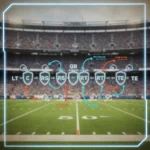
Mastering Fourth-Down Decisions: The Art of the Play Call
Dive deep into the pivotal world of fourth-down decisions in football. This article explores the strategic nuances, statistical insights, and psychological factors that make these moments so crucial for team success.
By: Michael Sete on agosto 22, 2026
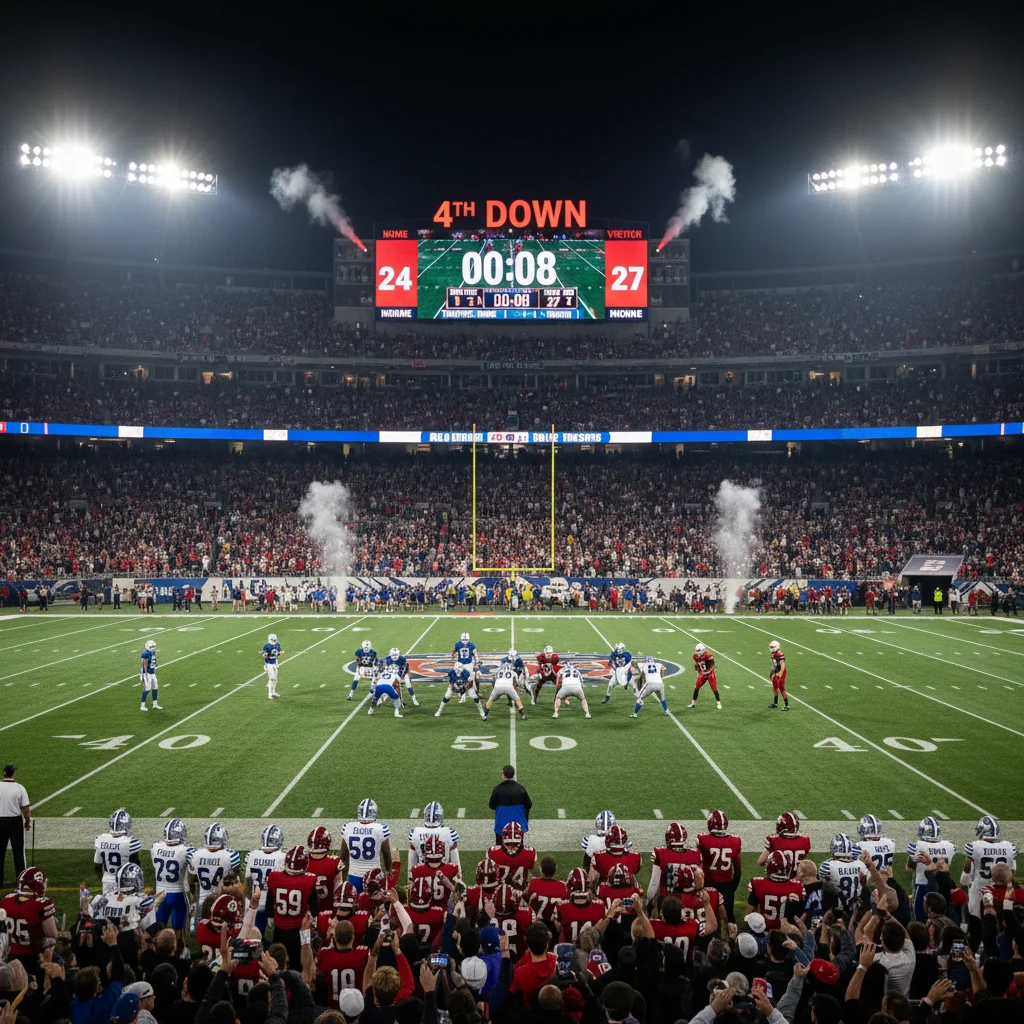
In the high-stakes world of football, few moments encapsulate the strategic tension quite like a crucial fourth down. These pivotal junctures often dictate the flow of a game, and mastering fourth-down decisions is a hallmark of elite coaching. Coaches face immense pressure to make the right call, weighing statistical probabilities against gut feelings, all with the game hanging in the balance.
The impact of these choices is profound, with studies suggesting that approximately 60% of fourth-down decisions are critical to game outcomes. This isn’t just about going for it or punting; it’s about a complex interplay of field position, score differential, time remaining, and opponent strength. Understanding the art of the play call on fourth down is essential for anyone wanting to truly grasp the intricacies of modern football strategy.
The Evolution of Fourth-Down Decisions in Football
The landscape of fourth-down decisions in football has undergone a significant transformation over the past few decades. Traditionally, coaches were far more conservative, almost always opting to punt or kick a field goal on fourth down, especially from their own territory. The prevailing wisdom prioritized field position and minimizing risk above all else. This conservative approach was deeply ingrained in football culture, passed down through generations of coaches and seen as the ‘safe’ play.
However, with the advent of advanced analytics and a deeper understanding of probability, this traditional mindset began to shift. Data scientists and forward-thinking coaches started to challenge the old norms, demonstrating mathematically that going for it on fourth down, under certain conditions, offered a higher win probability than punting. This analytical revolution has empowered coaches with new tools to evaluate risk and reward, leading to a more aggressive and calculated approach to fourth-down situations. The game is now played with a greater appreciation for expected value rather than simply avoiding negative outcomes.
This evolution isn’t just about numbers; it also reflects a change in coaching philosophy and player capabilities. Teams are now built with more versatile players capable of executing complex plays in short-yardage situations, and offensive schemes are designed to exploit defensive weaknesses. The acceptance of analytics has filtered down from the professional ranks to college and even high school football, fundamentally altering how coaches prepare for and execute these critical moments. It’s a testament to how data can reshape even the most traditional aspects of a sport, turning what was once a rare gamble into a calculated strategic maneuver. The shift has made football a more dynamic and exciting game to watch, with coaches constantly pushing the boundaries of conventional wisdom.
Statistical Insights Driving Aggressive Play Calling
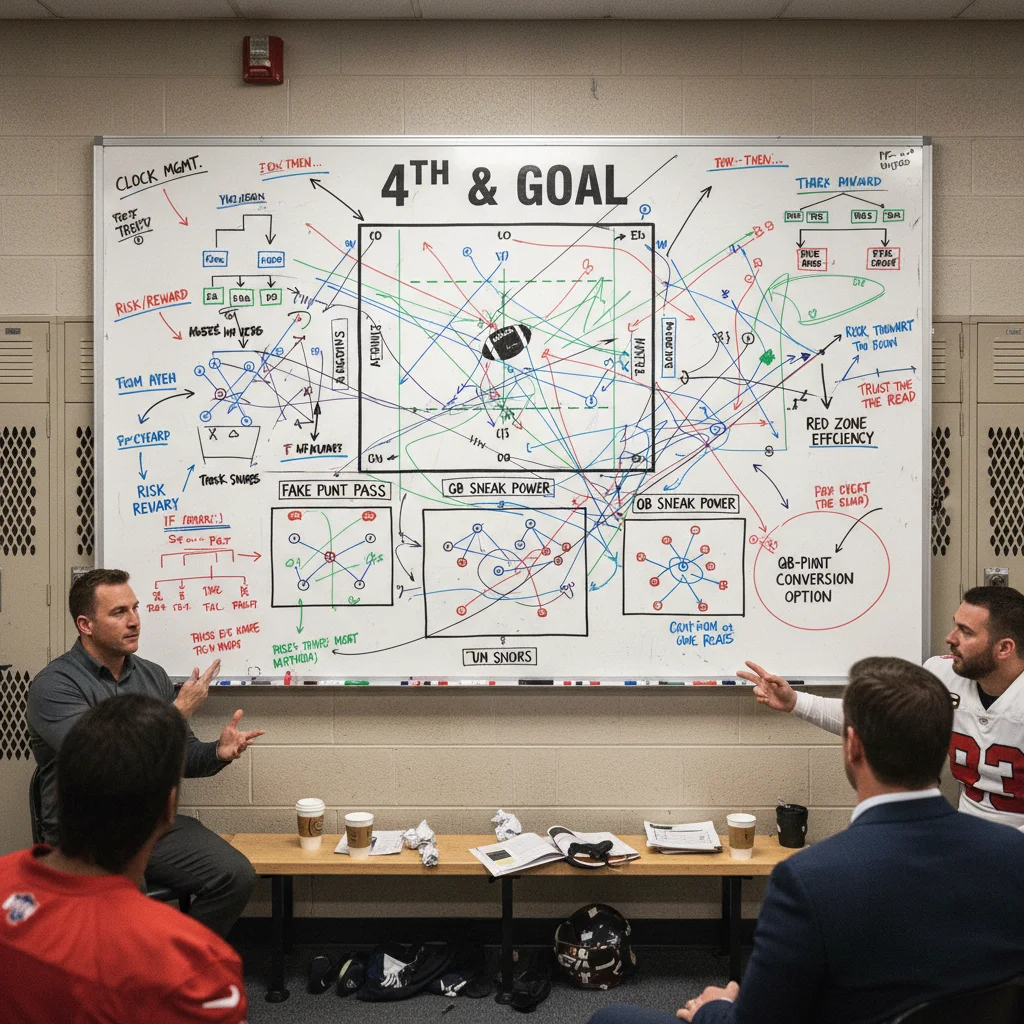
Modern football coaching is increasingly influenced by statistical insights, particularly when it comes to fourth-down decisions. Analytics have illuminated that going for it on fourth down, under specific circumstances, often provides a higher expected win probability than punting or attempting a field goal. This isn’t a blanket recommendation to always go for it, but rather a nuanced understanding that certain field positions, down-and-distance scenarios, and game states lean heavily towards aggression. For instance, data frequently suggests that attempting a fourth-and-short conversion in opponent territory is statistically more beneficial than punting, as the potential reward of maintaining possession and scoring outweighs the risk of turning the ball over on downs.
These insights are often derived from large datasets of historical NFL games, simulated outcomes, and complex probability models. Researchers analyze thousands of fourth-down plays to identify patterns and quantify the impact of each decision. Factors like team strength, opponent strength, weather conditions, and even specific player matchups are fed into these models to provide coaches with real-time, data-driven recommendations. The goal is to move beyond mere intuition and provide an objective framework for decision-making. This scientific approach helps to demystify the ‘gut feeling’ and replace it with evidence-based strategies, making fourth-down decisions less about luck and more about calculated optimization.
The availability of such detailed statistical analysis has democratized strategic understanding, allowing teams without traditional ‘football minds’ to compete effectively. It has also led to a significant increase in fourth-down attempts across the league, as coaches become more comfortable trusting the numbers. This trend highlights a broader movement in sports towards leveraging data to gain a competitive edge, transforming football from a game of instinct to one of informed calculation. The reliance on these statistical models has fundamentally altered how coaches prepare and execute, making every fourth down a potential turning point backed by compelling data.
Key Factors Influencing Fourth-Down Decisions
Making a successful fourth-down decision involves a complex evaluation of multiple interconnected factors. Coaches must weigh immediate circumstances against long-term game strategy, often with only seconds to spare. One of the most critical elements is field position. A fourth down deep in opponent territory presents a vastly different risk-reward profile than one deep in a team’s own half. Closer to the end zone, the potential for points increases significantly, making going for it more appealing. Conversely, a failed conversion deep in one’s own territory can hand the opponent excellent field position, leading to easy points.
Another crucial factor is the score and time remaining in the game. If a team is trailing late in the fourth quarter, a more aggressive approach might be necessary to stay in contention, even if the odds are lower. Conversely, if a team has a comfortable lead, a conservative punt might be the safer play to pin the opponent deep and run out the clock. The down and distance also play a pivotal role; a fourth-and-one conversion is statistically much easier than a fourth-and-ten, influencing the likelihood of success and thus the decision. Understanding the strengths and weaknesses of both your offense and the opposing defense in short-yardage situations is also paramount.
Finally, the quality of the kicker and punter, as well as the strength of the special teams units, cannot be overlooked. A reliable kicker makes field goal attempts a more viable option, while an elite punter can consistently pin opponents deep, providing a strong argument for punting. Conversely, if special teams are struggling, going for it might be the preferred option to avoid a potential blocked kick or poor punt. All these elements combine to create a multifaceted decision matrix that coaches must navigate with precision and foresight, demonstrating why fourth-down decisions are so pivotal.
The Psychological Impact on Players and Opponents
The decision to go for it on fourth down carries a significant psychological weight that extends beyond mere statistical probabilities. For the offensive players, a coach’s aggressive call can be a powerful confidence booster. It signals trust in their ability to execute under pressure, fostering a belief that the team is willing to take calculated risks to win. This can energize the offense, leading to a more focused and determined effort. Conversely, a conservative punt in a seemingly convertible situation might be interpreted as a lack of faith, potentially dampening morale and creating a sense of missed opportunity among players who feel they could have converted.
On the defensive side, an aggressive fourth-down attempt puts immense pressure on the opposing team. They know they must make a stop, or the opponent will likely score or at least continue a drive. This can create a heightened sense of urgency and anxiety, potentially leading to defensive mistakes or penalties. A successful conversion can demoralize the defense, making them question their ability to hold the line. It also forces defensive coordinators to adjust their play calling, as they anticipate future aggressive fourth-down attempts, adding another layer of strategic complexity to the game.
Building Team Confidence Through Aggression
**Empowerment:** Giving players the chance to convert shows belief in their skills.
**Momentum Shift:** A successful conversion can drastically swing game momentum.
**Mental Toughness:** Preparing for and executing crucial plays builds resilience.
**Strategic Advantage:** Forces opponents to consider more aggressive defensive schemes.
The psychological ripple effect of fourth-down decisions can permeate the entire game, influencing not just the immediate play but also subsequent drives and even future games. A coach’s philosophy on these critical moments defines the team’s identity and can either inspire greatness or instill caution. It’s a delicate balance between calculated risk and emotional resonance, where the outcome extends far beyond the scoreboard, shaping the mental fortitude of an entire squad.
Technological Aids in Play Calling and Analysis
In today’s fast-paced football environment, technology plays an increasingly vital role in assisting coaches with critical fourth-down decisions. Gone are the days when decisions were based solely on gut instinct or a quick glance at a laminated play card. Modern coaching staffs leverage sophisticated analytical software and real-time data feeds to inform their choices. These tools can instantaneously process vast amounts of data, including historical success rates for similar situations, opponent defensive tendencies, and even player fatigue levels, providing a statistical edge that was unimaginable just a few years ago. This technological integration allows for a more objective and evidence-based approach to play calling, reducing the margin for error in high-pressure scenarios.
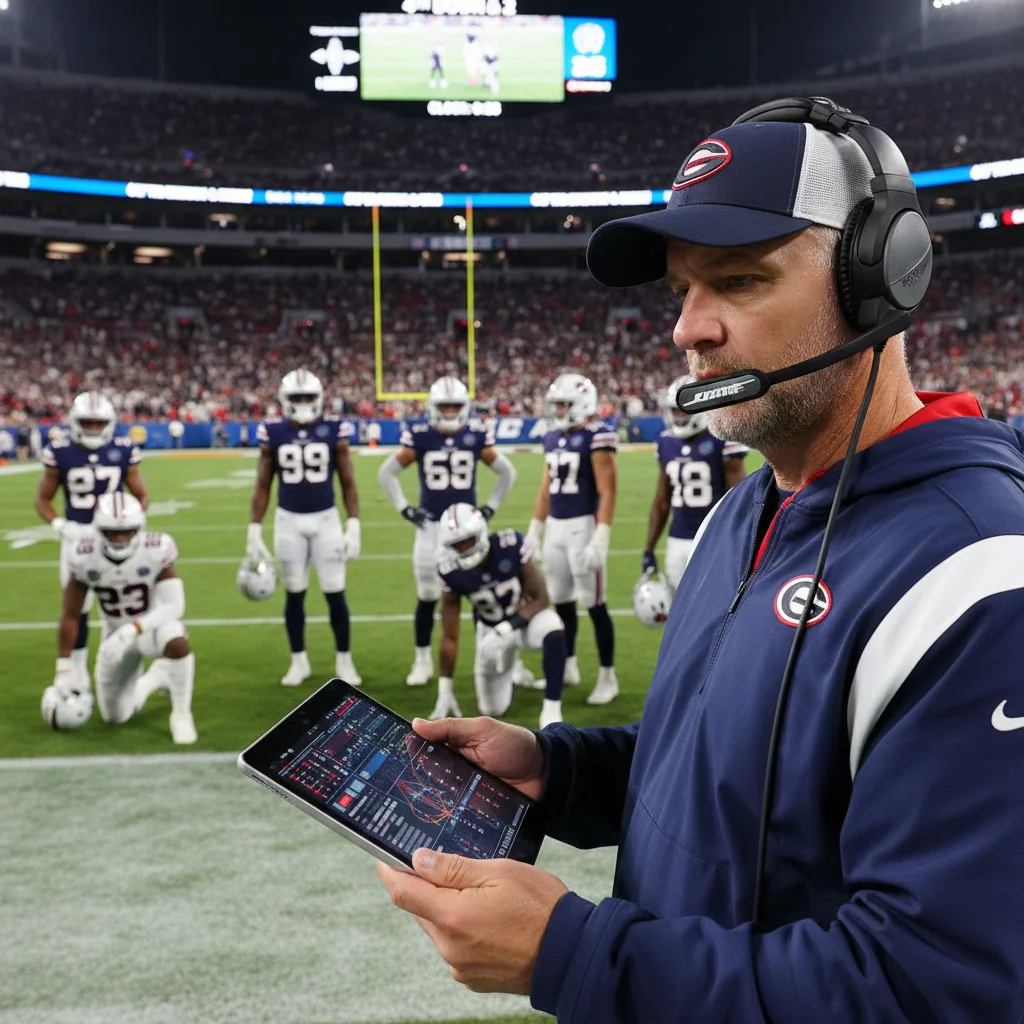
Coaches often have access to tablets on the sidelines that display customized dashboards, offering a quick visual summary of probabilities for going for it, punting, or kicking a field goal. These dashboards might highlight the expected points added or subtracted for each option, allowing coaches to make informed choices with a clear understanding of the potential impact on win probability. Furthermore, advanced scouting reports are no longer just qualitative observations; they are rich with quantitative data on opponent defensive formations against specific offensive sets on fourth down, helping offensive coordinators anticipate defensive strategies and call the optimal play. This level of detail ensures that every decision is backed by comprehensive analysis, enhancing the team’s overall strategic intelligence.
The continuous development of artificial intelligence and machine learning is also beginning to impact fourth-down strategy. AI models can learn from every play across every game, identifying subtle patterns and predictive indicators that human analysts might miss. While AI isn’t yet making calls directly, it provides powerful insights and recommendations that augment human decision-making, allowing coaches to consider scenarios and probabilities with unprecedented depth. This blend of human expertise and technological prowess ensures that fourth-down decisions are not only strategic but also dynamic, adapting to the ever-changing variables of a football game. The future of play calling will undoubtedly see even greater reliance on these advanced technological aids, making the art of the play call an increasingly data-driven science.
Frequently Asked Questions
What is the average success rate for fourth-down conversions in the NFL?
The average success rate for fourth-down conversions in the NFL varies by season and down-and-distance, but generally hovers around 50-60%. For fourth-and-short (1-2 yards), the success rate is often significantly higher, sometimes exceeding 65%, which is why coaches are more inclined to go for it in those situations.
How do weather conditions affect fourth-down decisions?
Weather conditions significantly impact fourth-down decisions. High winds can make field goal attempts and punts unpredictable, potentially favoring an aggressive go-for-it call. Rain or snow can reduce offensive and defensive efficiency, making short-yardage conversions more challenging but also increasing the risk of fumbles on punts or snaps.
Do different coaching philosophies impact fourth-down decisions?
Absolutely. Some coaches are inherently more aggressive and analytically driven, often opting to go for it on fourth down in situations where others might punt. Conversely, more conservative coaches prioritize field position and special teams, leading to fewer fourth-down attempts. These philosophies often define a team’s identity.
What role does game momentum play in fourth-down calls?
Game momentum is a crucial, though sometimes intangible, factor. A successful fourth-down conversion can dramatically shift momentum in a team’s favor, energizing players and disheartening opponents. Conversely, a failed attempt can deflate a team and give the opposing side a significant psychological boost, impacting subsequent drives.
Are fourth-down decisions different in college football compared to the NFL?
Yes, there are notable differences. College football rules, particularly the spot of the ball after a first down, can sometimes make fourth-down conversions slightly easier. Additionally, college coaches often face different roster compositions and strength disparities, which can influence their willingness to take risks compared to the highly competitive NFL.
The strategic theater of football is perhaps best exemplified by the critical nature of fourth-down decisions. As we’ve explored, these moments are far more than simple choices; they are complex calculations influenced by a blend of statistical analysis, psychological impact, and evolving coaching philosophies. The shift towards a more aggressive, data-driven approach has fundamentally reshaped the game, transforming what was once a conservative punt into a calculated risk with significant upside. Coaches, armed with advanced analytics and a deeper understanding of probability, are increasingly willing to challenge conventional wisdom, recognizing that mastering fourth-down decisions can be the key differentiator between victory and defeat.
The art of the play call on fourth down requires not only a keen understanding of the game’s mechanics but also an acute awareness of the human element – the confidence it instills in players and the pressure it exerts on opponents. As technology continues to advance, providing even more granular insights, the strategic depth of these moments will only grow. For fans, this evolution makes football an even more compelling spectacle, where every fourth down holds the potential for a game-altering play. Embracing the data and understanding the nuanced factors behind these crucial decisions allows for a richer appreciation of the strategic chess match unfolding on the gridiron, truly highlighting why 60% of fourth-down decisions are undeniably crucial to a team’s success.