Optimize Spring Training: Faster Infield Reaction Time Drills
Discover how to significantly improve your infield reaction time during spring training. This article details 6 data-driven drills designed to enhance agility, quickness, and overall defensive performance, helping infielders gain a competitive edge.
By: pedropadm2025@gmail.com on agosto 22, 2026
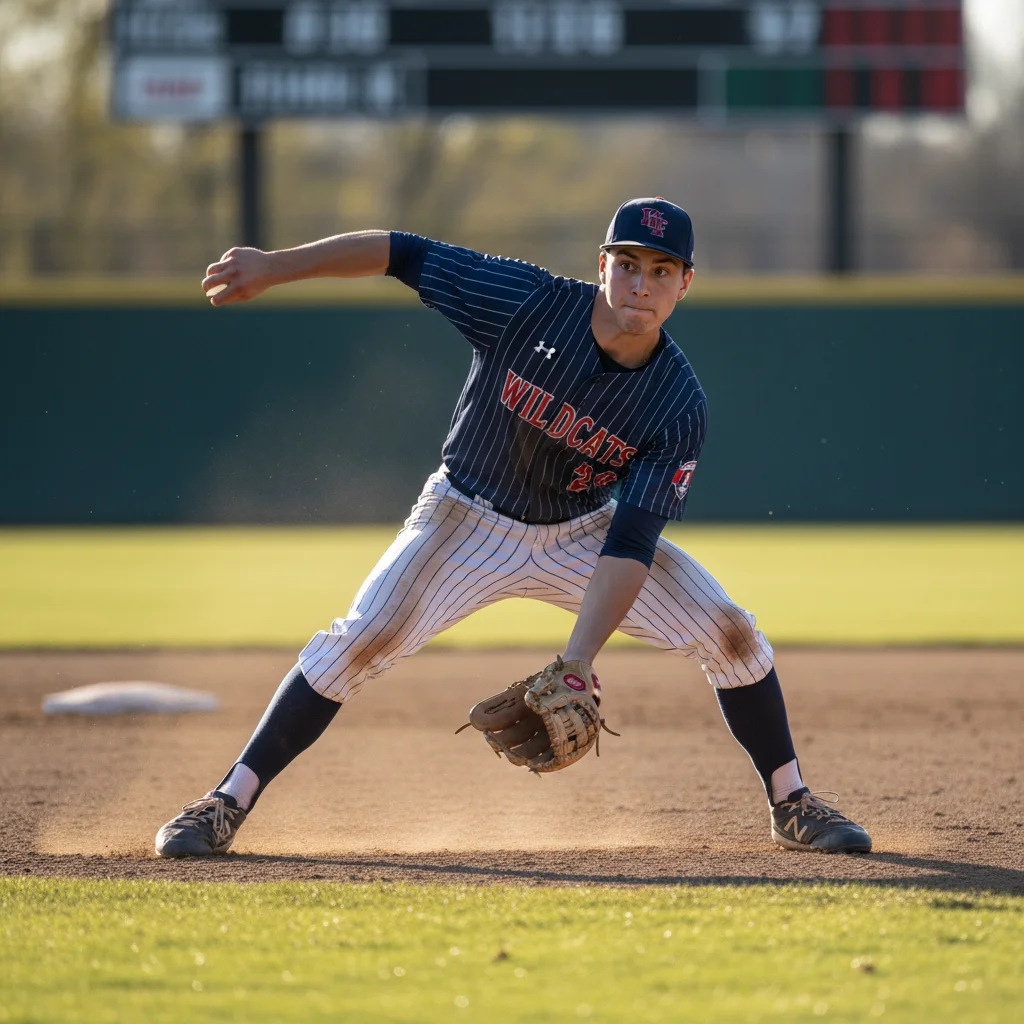
Spring training is a critical period for baseball players to hone their skills, and for infielders, improving their reaction time is paramount. A faster infield reaction time can mean the difference between a routine out and an error, or even a game-changing play. This article will explore six data-driven drills specifically designed to enhance an infielder’s quickness and agility, with the goal of achieving a significant improvement in reaction speed.
These specialized drills move beyond traditional practice methods, incorporating insights from sports science to target specific aspects of defensive readiness. By focusing on rapid decision-making, explosive first steps, and precise glove work, players can systematically reduce their response times. We’ll delve into how each drill contributes to a more efficient and effective infielder, preparing them to make crucial plays when it matters most on the field.
Understanding the Science Behind Quick Infield Reaction Time
Before diving into specific drills, it’s helpful to understand what contributes to a rapid infield reaction time. It’s not just about physical speed; it’s a complex interplay of visual processing, cognitive decision-making, and neuromuscular response. When a ball is hit, an infielder’s eyes must track its trajectory, their brain must quickly calculate its probable landing spot and speed, and then send signals to the muscles to initiate the appropriate movement. This entire sequence happens in fractions of a second, and any delay in one part of the chain can slow down the overall reaction.
Data analysis in baseball has shown that even a slight improvement in reaction time can have a dramatic impact on fielding percentage and range. Coaches and trainers are increasingly using technology, such as radar guns and motion sensors, to measure and track these improvements. By breaking down the components of reaction time—from visual cues to muscle activation—we can design drills that specifically target and enhance each element. This scientific approach ensures that training is not only intensive but also highly effective, leading to tangible gains on the field.
Improving reaction time also involves developing proprioception, which is the body’s awareness of its position and movement. Better proprioception allows infielders to adjust their body position almost instinctively as the ball approaches, making glove presentation more efficient. Furthermore, anticipation plays a crucial role; experienced infielders often react faster because they can read the batter and predict where the ball might go, even before it leaves the bat. Combining these cognitive and physical elements is key to truly optimizing an infielder’s defensive capabilities.
Drill 1: The Rapid Response Cone Drill
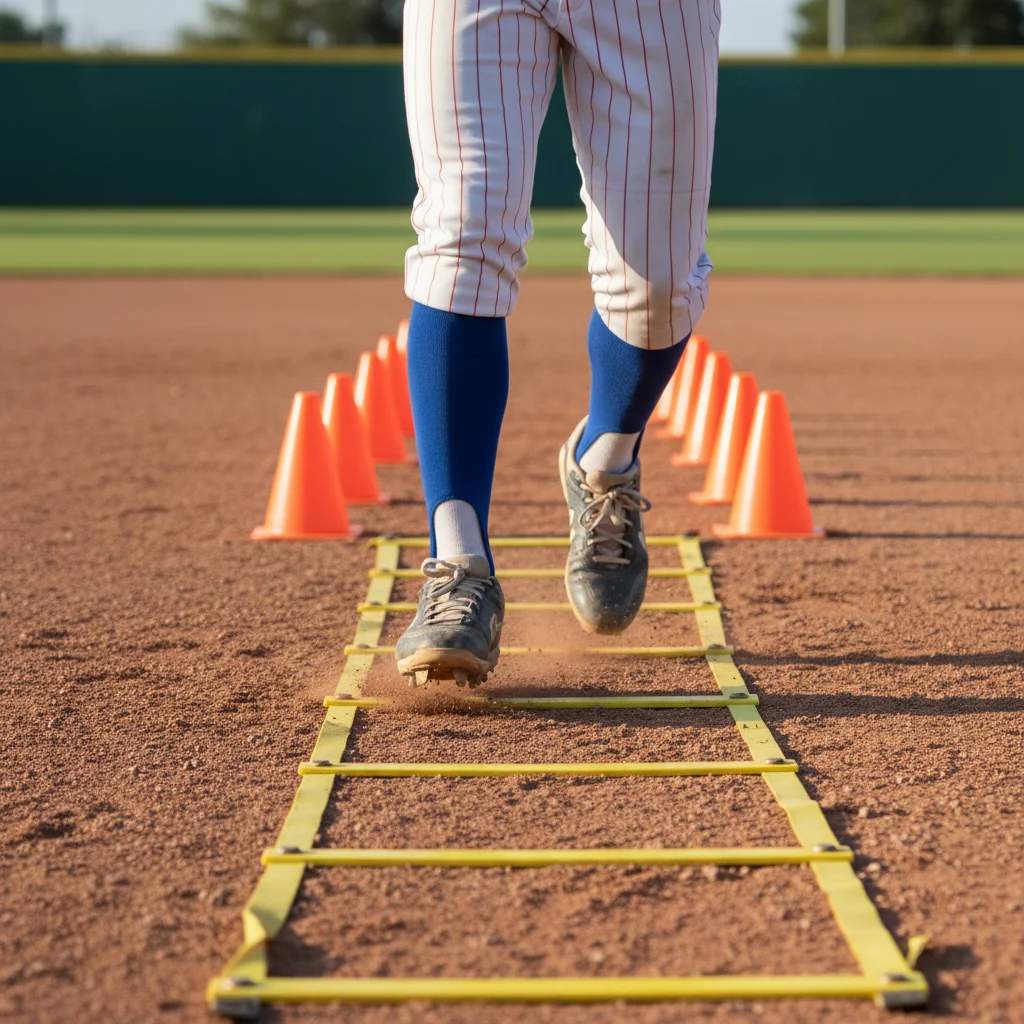
The Rapid Response Cone Drill is an excellent way to sharpen an infielder’s initial burst and directional changes, directly impacting their infield reaction time. This drill focuses on forcing quick decisions and explosive movements immediately after a visual cue. Set up five cones in a shallow arc, about five to seven feet apart, simulating the range an infielder might cover to their left or right. The player starts in the middle, facing forward. A coach or partner stands behind the player with a ball and calls out a direction (left or right) or points to a cone.
As soon as the direction is called or pointed, the infielder must sprint to that cone, touch it, and immediately return to the starting position. The key is to emphasize the first step and the quick change of direction. This drill can be made more challenging by varying the speed of the calls, or by having the coach toss a soft ground ball towards the designated cone once the player starts moving. The goal is not just to reach the cone, but to do so with the intention of fielding a ball, maintaining a low, athletic stance throughout the movement.
Repetition is vital for this drill. Perform sets of 8-10 rapid movements, with short rest periods in between. Over time, players will notice their reaction to the visual or auditory cue becoming almost instantaneous. This drill directly translates to game situations where infielders must react to a sharply hit ball that forces them to move quickly off their initial position. The constant demand for rapid decision-making and explosive acceleration builds the muscle memory and mental quickness necessary for top-tier defense.
Drill 2: Visual Tracking and Glove Presentation
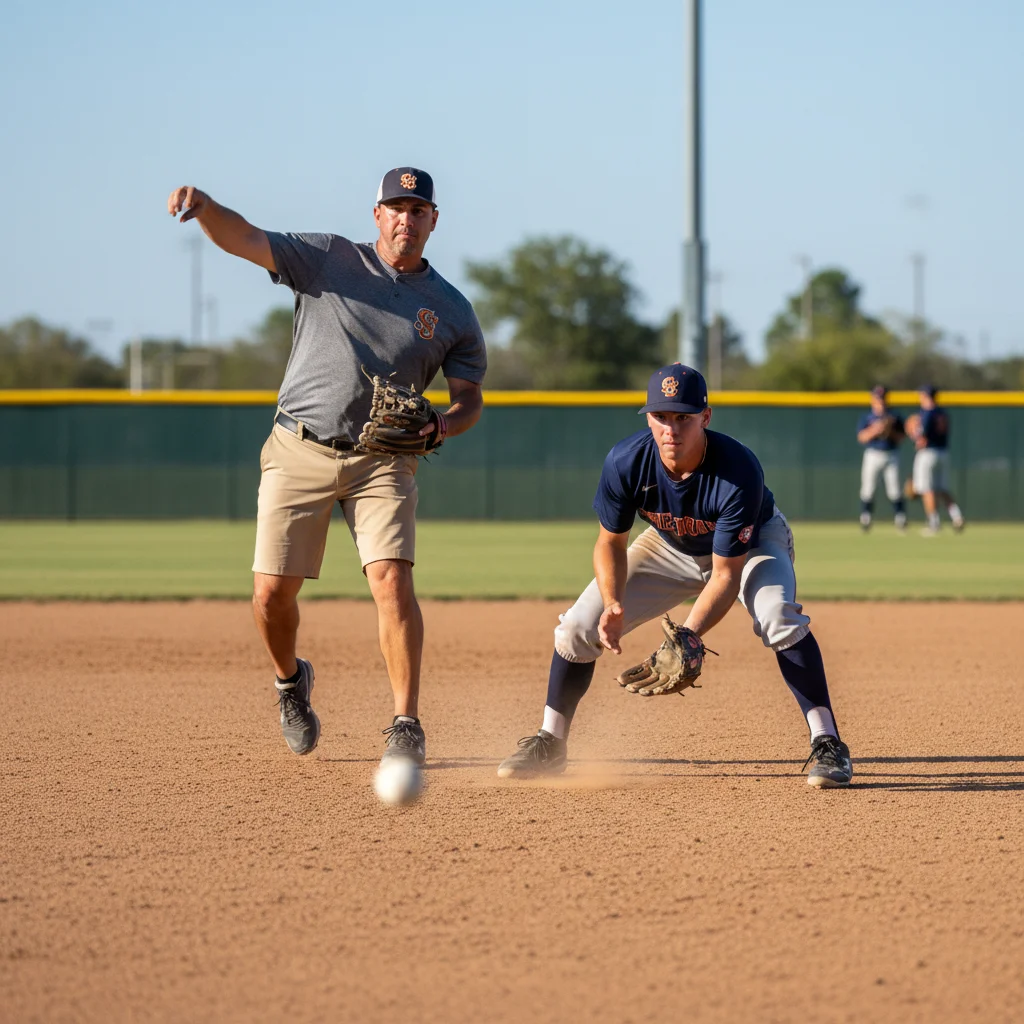
This drill specifically targets the visual processing component of infield reaction time, combining it with efficient glove presentation. Many errors occur not because a player is slow, but because their eyes fail to track the ball accurately, leading to poor glove positioning. For this drill, the infielder stands about 15-20 feet from a coach who is equipped with several different colored tennis balls or soft toss balls. The coach will randomly toss balls of varying colors towards the infielder, calling out the color just as the ball is released.
The infielder’s task is twofold: first, to visually identify the color of the ball immediately, and second, to field it cleanly with proper glove presentation. The challenge lies in the rapid color identification while simultaneously tracking the ball’s trajectory and preparing to field it. This forces the eyes and brain to work in tandem under pressure, improving visual acuity and processing speed. The coach should vary the speed and trajectory of the tosses, sometimes throwing short hops, sometimes softer grounders, to simulate different game scenarios.
To further enhance this drill, consider having the infielder call out the color of the ball as they field it. This adds an auditory component, reinforcing the connection between visual processing and verbal confirmation. The focus should always be on smooth, controlled movements and soft hands, rather than just catching the ball. This drill helps infielders develop the critical skill of processing multiple pieces of information (ball color, trajectory, speed) simultaneously, leading to a more refined and faster overall infield reaction time.
Advanced Visual Tracking Techniques
Alternating Ball Types: Use both regular baseballs and tennis balls, forcing the infielder’s eyes to adjust to different sizes and speeds.
Random Direction Tosses: Instead of directly at the player, toss balls slightly to the left or right, requiring a quick shuffle step before fielding.
Numbered Ball Recognition: Write small numbers on the balls and have the infielder call out the number upon fielding, increasing cognitive load.
Varying Light Conditions: Practice in different lighting, from bright sun to shaded areas, to accustom eyes to changing visual environments.
By implementing these advanced techniques, infielders can further refine their visual tracking abilities, becoming more adept at identifying and reacting to incoming balls under diverse conditions. The ultimate goal is to make visual processing and glove presentation an intuitive, almost automatic response, significantly cutting down on reaction time.
Drill 3: Reaction Ball and Plyometric Integration
Integrating reaction balls with plyometric movements is a dynamic way to boost an infielder’s explosive power and agility, both crucial for a quick infield reaction time. A reaction ball, with its unpredictable bounce, forces players to react instantly to an erratic trajectory, mimicking the unexpected hops and spins of a live batted ball. Combine this with plyometric exercises, which focus on rapid muscle contraction and extension, and you create a powerful training synergy. Start by having the infielder stand in an athletic stance, about 10-15 feet from a wall or a partner.
The coach or partner throws the reaction ball against the wall or ground, aiming for an unpredictable bounce. As soon as the ball bounces, the infielder must explode towards it, field it cleanly, and return to their starting position. After fielding, incorporate a plyometric movement such as a box jump, broad jump, or a series of quick lateral shuffles. This sequence trains both the immediate reaction to the ball and the subsequent explosive movement required to make a play or transition to a throw. The unpredictable nature of the reaction ball ensures that players cannot anticipate, forcing genuine, unprogrammed responses.
The plyometric component is essential for building fast-twitch muscle fibers, which are responsible for quick, powerful movements. By performing a plyometric exercise immediately after fielding the reaction ball, infielders train their bodies to transition seamlessly from a fielding action to an explosive athletic movement. This not only improves their first step but also enhances their overall athleticism on the field. Ensure proper form for all plyometric exercises to prevent injury and maximize effectiveness. This drill is particularly effective for developing the quick burst needed for tough ground balls.
Drill 4: Live Read and React Situations
While isolated drills are important, nothing quite simulates the pressure and complexity of a game like live read-and-react situations. This drill is designed to put infielders in realistic game scenarios, forcing them to process information, make quick decisions, and execute plays under time constraints, directly enhancing their infield reaction time. Set up a full infield with a batter, pitcher, and base runners if possible. The coach or a designated hitter will hit ground balls and line drives randomly to different infield positions.
The key here is to make every hit a live play, requiring the infielder to not only field the ball but also to make the correct throw or decision based on the simulated game situation. For instance, a ground ball hit to the shortstop with a runner on first might require a quick flip to second for a force out, or a throw to first depending on the speed of the runner and the hit. This drill emphasizes cognitive processing and decision-making under pressure, which are often overlooked components of reaction time. The infielder must quickly assess the situation, determine the best course of action, and then execute.
Coaches should vary the types of hits, from slow rollers to hard-hit shots, and introduce different base runner scenarios to keep infielders constantly engaged and challenged. Provide immediate feedback on both the fielding and the decision-making. Were they in the right position? Did they make the correct read? Was their throw accurate and timely? This comprehensive approach helps infielders develop a deeper understanding of the game and react more instinctively in live play. The more exposure they have to varied game situations, the faster and more accurate their reactions will become when it counts.
Drill 5: Machine Gun Ground Balls with Varying Speeds
The Machine Gun Ground Balls drill is an intense, high-repetition exercise specifically designed to overload an infielder’s senses and rapidly improve their infield reaction time. This drill uses a pitching machine or a coach with a bucket of balls to fire a continuous stream of ground balls at varying speeds and angles. The infielder stands at their position, ready to field as many balls as possible in a short, intense burst. The machine or coach should aim to send balls slightly to the left, right, and directly at the player, simulating unpredictable game hits.
The primary goal is to force constant, rapid adjustments to footwork, body position, and glove angle. The varying speeds are crucial; some balls should be hit hard, requiring quick hands and a firm glove, while others should be softer, demanding quick shuffles and precise angles. This drill doesn’t allow for much thinking time; it trains the infielder to react instinctively. The sheer volume of repetitions in a short period builds muscle memory for fielding different types of ground balls, making the movements more fluid and automatic under pressure.
It’s important to focus on maintaining proper fielding mechanics throughout the drill, even as the pace intensifies. While speed is a priority, accuracy and clean fielding are equally important. Coaches should monitor the infielder’s form and provide immediate corrections. After a set of 15-20 balls, allow for a brief rest period before starting another set. This drill is physically demanding, so ensure players are properly warmed up. The constant barrage of balls directly targets and refines the neuromuscular pathways responsible for quick reactions, leading to a noticeable improvement in overall infield reaction time.
This drill is particularly effective for developing the quick burst needed for tough ground balls, as it forces the player to constantly reset and react without hesitation. The mental aspect is also challenged, as the infielder must maintain focus and intensity throughout the rapid-fire sequence. By consistently engaging in this high-intensity drill, infielders can significantly sharpen their defensive reflexes and become more confident in their ability to handle any ball hit their way.
Frequently Asked Questions
How often should these drills be performed during spring training?
It’s recommended to incorporate these drills 3-4 times per week during spring training, alternating them with other defensive and offensive training. Consistency is key, but also allow for adequate rest to prevent overtraining and promote muscle recovery.
Can these drills be adapted for younger players?
Absolutely. The drills can be scaled down by using softer balls, reducing distances, and slowing down the pace. The core principles of reaction, agility, and visual tracking remain beneficial for players of all ages and skill levels.
What equipment is needed for these drills?
Basic equipment includes baseballs, a glove, cones, and possibly a reaction ball or pitching machine. For advanced visual tracking, different colored balls are helpful. Most of these items are standard for any baseball training program.
How quickly can I expect to see improvements in infield reaction time?
With consistent and focused effort, players can start noticing improvements in their reaction time within a few weeks. Significant changes, such as a 25% faster reaction time, typically require dedicated practice over an entire spring training period.
Are these drills only for infielders?
While primarily designed for infielders, many of these drills, especially those focusing on visual tracking and agility, can benefit outfielders and even catchers. Quick reaction time is a valuable asset for any position on the baseball field.
Improving infield reaction time is a multifaceted endeavor that combines physical conditioning, cognitive processing, and consistent, targeted practice. The six data-driven drills outlined in this article offer a comprehensive approach to enhancing an infielder’s quickness, agility, and decision-making skills. By incorporating drills like the Rapid Response Cone Drill, Visual Tracking and Glove Presentation, Reaction Ball and Plyometric Integration, Live Read and React Situations, and Machine Gun Ground Balls, players can systematically break down the elements of reaction time and build them back stronger.
Spring training is the perfect opportunity to implement these advanced techniques, setting the foundation for a successful season. Remember, even marginal gains in reaction speed can significantly impact defensive performance, leading to more outs, fewer errors, and a more dominant presence on the field. Dedication to these specialized drills, coupled with an understanding of the underlying sports science, will undoubtedly help infielders achieve a faster infield reaction time, making them invaluable assets to their team. Embrace these methods, and watch your defensive game elevate to new heights.
Peter B holds a degree in Journalism and has 5 years of experience covering U.S. economic policy, labor markets, and financial news. He writes data-driven news content on topics like inflation, interest rates, and employment trends.