Professional Football Injury Prevention: 4 Key Team Strategies
Professional football teams are prioritizing player health more than ever. This post explores four crucial strategies teams are using for effective football injury prevention, from data-driven insights to holistic athlete care, ensuring players stay on the field and perform at their peak.
By: Michael Sete on agosto 22, 2026
Professional football demands peak physical performance, pushing athletes to their limits. This intensity, while thrilling for fans, also brings a significant risk of injuries. Effective football injury prevention is no longer just a medical concern; it’s a strategic imperative for any successful team. Modern professional football clubs are investing heavily in cutting-edge approaches to keep their star players healthy and on the field. They understand that a fit squad is a winning squad, and every minute lost to injury can impact performance and results.
The goal is not simply to treat injuries after they happen, but to predict, prevent, and mitigate risks before they escalate. This proactive mindset involves a blend of sports science, technology, and individualized care. Teams are moving beyond traditional methods, embracing a more holistic and data-driven approach to athlete welfare. This article will delve into four key strategies that professional football teams are implementing to enhance football injury prevention and optimize player longevity.
Leveraging Advanced Sports Science and Data Analytics
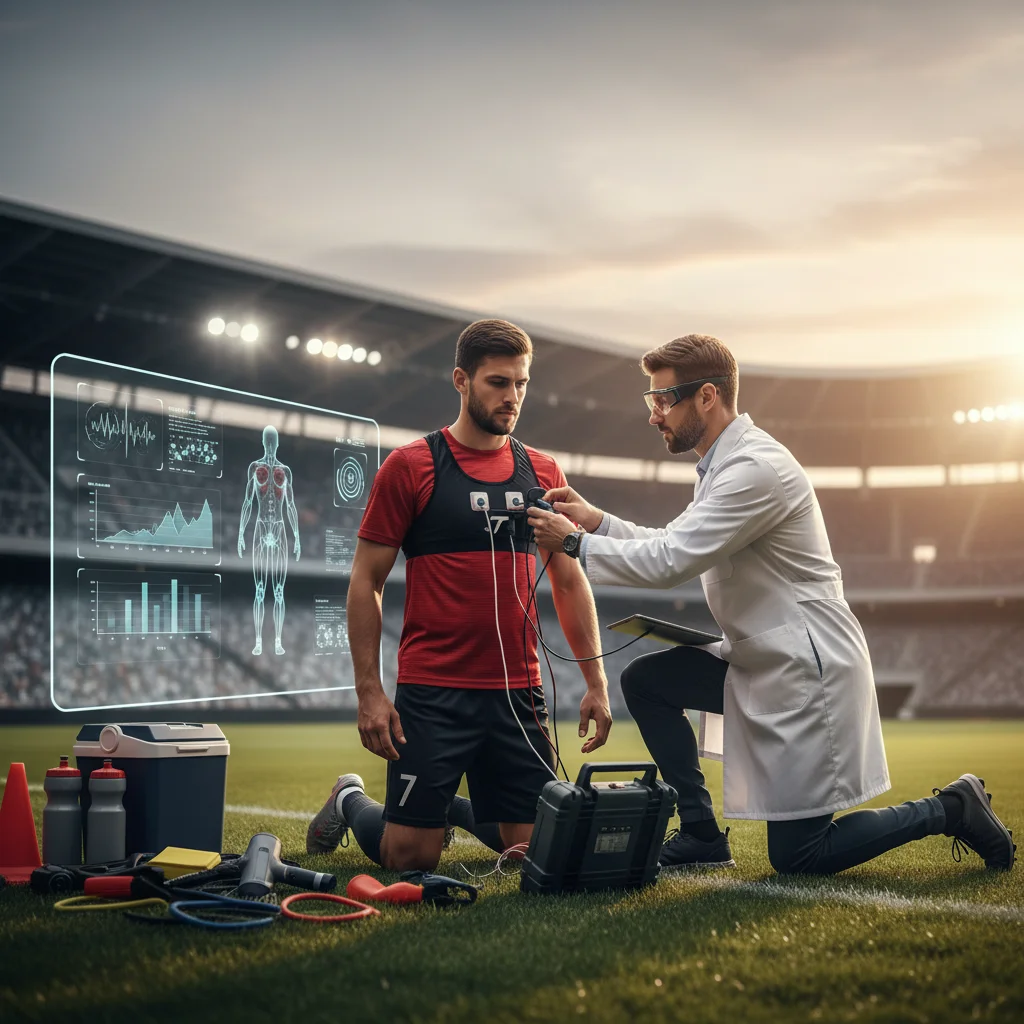
In the high-stakes world of professional football, guesswork has been replaced by precise, data-driven insights, especially when it comes to player health and injury prevention. Teams now employ dedicated sports science departments that collect vast amounts of data on every aspect of a player’s physical state and performance. This isn’t just about tracking distances run during a match; it extends to detailed physiological markers, sleep patterns, nutritional intake, and even psychological well-being. The goal is to create a comprehensive profile for each athlete, identifying potential weaknesses or overload risks before they manifest as injuries.
Sophisticated wearable technology, such as GPS trackers and heart rate monitors, provides real-time data during training sessions and matches. This information helps coaching staff tailor training loads, ensuring players are challenged appropriately without being pushed into dangerous overtraining zones. Analyzing these metrics allows for immediate adjustments, preventing cumulative fatigue that often leads to soft tissue injuries. Furthermore, advanced biomechanical analyses are used to identify improper movement patterns or muscular imbalances that could predispose a player to specific injuries. Corrective exercises and personalized training programs are then implemented to address these issues proactively.
The integration of artificial intelligence and machine learning algorithms is also transforming this field. These technologies can process complex datasets to identify subtle patterns and predict injury risk with increasing accuracy. By understanding which factors correlate with higher injury rates, teams can intervene early, implementing targeted interventions that significantly reduce the likelihood of a player spending time on the sidelines. This predictive capability is a game-changer for effective football injury prevention.
Individualized Training and Load Management Protocols
Gone are the days of one-size-fits-all training regimes in professional football. Modern teams recognize that each player is unique, with different physical capabilities, injury histories, and recovery needs. Consequently, individualized training and precise load management have become cornerstones of effective football injury prevention. This approach ensures that every athlete receives a program tailored specifically to their body, rather than a generic plan that might overtax some and undertrain others.
Load management involves carefully monitoring the physical stress placed on a player during training and matches. This includes not just the volume of activity, but also its intensity and type. Sports scientists and conditioning coaches work closely to track metrics like total distance covered, high-speed running, accelerations, decelerations, and impacts. This data is then used to adjust individual training sessions, ensuring players are adequately prepared for competition without accumulating excessive fatigue that could lead to injury. For example, a player returning from a minor ailment might have a reduced training load compared to their teammates, gradually increasing as their fitness improves.
Beyond physical metrics, individualized programs also consider a player’s specific position, playing style, and even their psychological state. A defender might focus more on strength and power, while a midfielder might emphasize endurance and agility. Personalized strength and conditioning programs are designed to address individual muscular imbalances or biomechanical inefficiencies, which are common precursors to injuries. This meticulous attention to detail ensures that each player’s body is optimized for the demands of their role, significantly reducing their overall injury risk and contributing greatly to football injury prevention efforts.
Comprehensive Recovery and Regeneration Strategies
While training and prevention are crucial, the period after intense physical exertion is equally vital for football injury prevention. Professional football teams now place immense emphasis on comprehensive recovery and regeneration strategies. This isn’t just about resting; it’s about actively facilitating the body’s repair processes and restoring optimal physiological function. Inadequate recovery is a major contributor to fatigue, which in turn significantly increases the risk of injuries, especially those affecting soft tissues like muscles and ligaments.
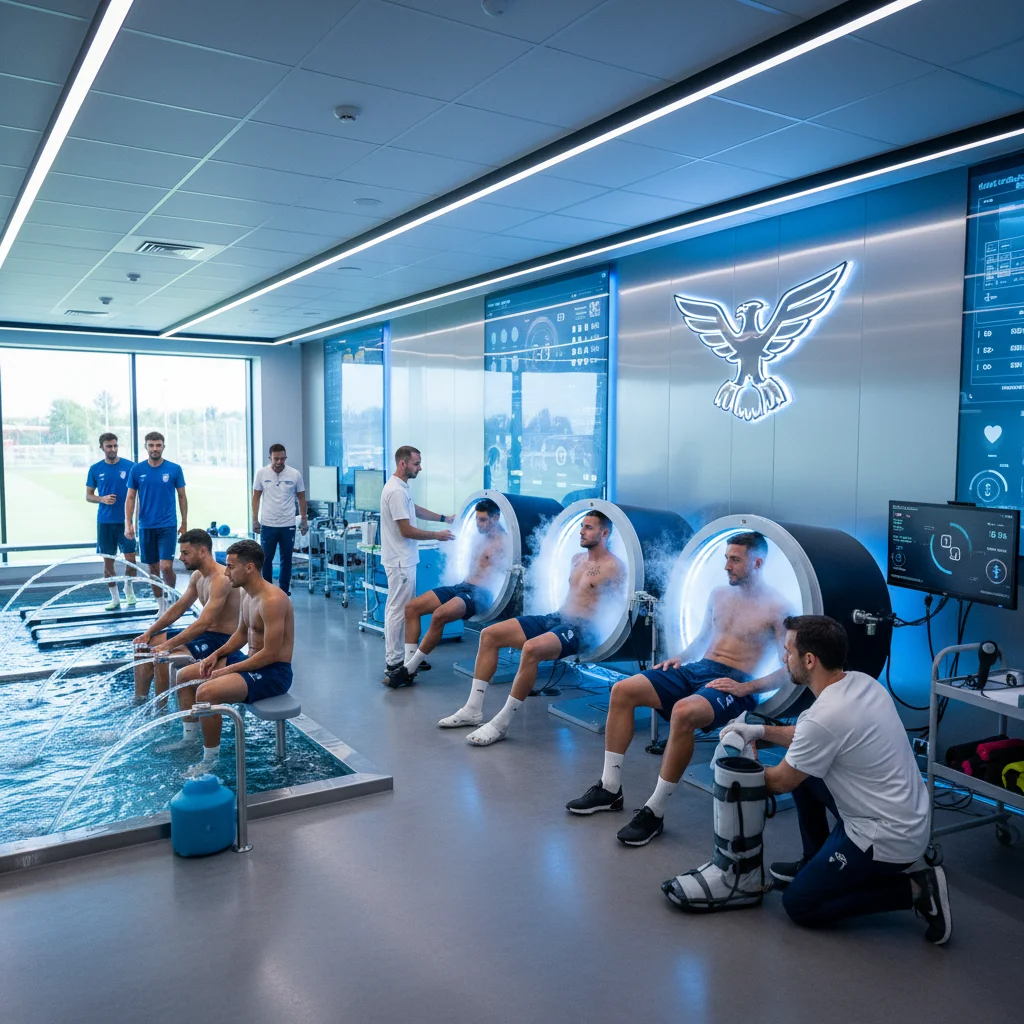
Modern recovery protocols are multi-faceted, often combining various techniques to maximize their effectiveness. These include active recovery sessions, where players engage in low-intensity exercise to promote blood flow and remove waste products. Hydrotherapy, involving cold and warm water immersion, is widely used to reduce inflammation and muscle soreness. Cryotherapy, which exposes the body to extremely cold temperatures, has also become popular for its purported benefits in accelerating recovery and reducing pain. Massage therapy, foam rolling, and stretching are routinely employed to improve flexibility, reduce muscle tightness, and enhance circulation.
Beyond physical techniques, nutrition and sleep play a critical role in regeneration. Teams employ dedicated nutritionists to ensure players consume the right balance of macronutrients and micronutrients to support muscle repair and energy restoration. Hydration strategies are also meticulously planned. Furthermore, sleep hygiene is heavily emphasized, with players educated on the importance of consistent, high-quality sleep for both physical and cognitive recovery. Some teams even use sleep tracking devices to monitor individual sleep patterns and provide personalized recommendations. By prioritizing these comprehensive recovery strategies, teams significantly bolster their football injury prevention efforts, ensuring players are ready for the next challenge.
Optimized Nutrition and Hydration Protocols
The fuel an athlete puts into their body directly impacts their performance, recovery, and crucially, their susceptibility to injury. Professional football teams have long understood the importance of diet, but today’s approach to optimized nutrition and hydration protocols is far more sophisticated and individualized than ever before. This is a critical component of effective football injury prevention, ensuring players have the necessary building blocks for muscle repair, energy production, and overall bodily resilience.
Teams employ dedicated sports dietitians who work closely with players to develop personalized meal plans. These plans consider individual caloric needs, body composition goals, playing position, and even specific dietary requirements or allergies. The focus is on providing nutrient-dense foods that support high-intensity training and rapid recovery. Carbohydrates are precisely managed to fuel energy demands, while protein intake is optimized for muscle repair and growth. Healthy fats are included for hormone production and overall health. Supplementation is also carefully monitored and prescribed only when necessary, under strict medical guidance.
Hydration is another non-negotiable aspect. Even mild dehydration can impair performance, increase fatigue, and elevate injury risk. Players are educated on the importance of consistent fluid intake throughout the day, not just during training or matches. Electrolyte-rich drinks are often provided to replenish salts lost through sweat, especially in hot conditions. Regular monitoring of hydration status, sometimes through urine specific gravity tests, ensures players maintain optimal fluid balance. By meticulously controlling what goes into a player’s body, professional teams create an internal environment that is primed for peak performance and robust resistance to injury, making nutrition and hydration fundamental to football injury prevention.
Psychological Well-being and Mental Conditioning
While physical preparedness is paramount, the mental state of a professional footballer plays an equally critical, though often less visible, role in football injury prevention. Stress, anxiety, and mental fatigue can significantly impair decision-making, reaction times, and coordination, all of which increase the risk of injury on the field. Recognizing this, leading football teams are now integrating psychological well-being and mental conditioning into their comprehensive athlete care programs, understanding that a healthy mind contributes to a healthy body.
Sports psychologists are becoming integral members of coaching and medical staff. Their role is to help players develop coping mechanisms for pressure, manage performance anxiety, and maintain focus throughout a demanding season. Techniques such as mindfulness, visualization, and goal setting are employed to enhance mental resilience. Players are encouraged to openly discuss any psychological challenges they face, creating a supportive environment where mental health is prioritized just as much as physical health. This proactive approach helps prevent burnout and stress-induced errors that could lead to physical harm.
Furthermore, mental fatigue can manifest physically, leading to slower reactions and compromised technique during critical moments of a game. By addressing psychological stressors, teams can ensure players remain mentally sharp, reducing the likelihood of careless mistakes that often result in collisions or awkward landings. The ability to concentrate under pressure and quickly recover from setbacks is not just about performance; it’s about safety. Integrating mental conditioning into daily routines provides players with the tools to navigate the intense demands of professional football, thereby contributing significantly to their overall well-being and reducing the incidence of injuries. A strong mind is a crucial asset in the continuous effort toward football injury prevention.
Frequently Asked Questions
Q: What is load management in professional football? A: Load management refers to the careful monitoring and adjustment of a player’s physical stress from training and matches. It ensures athletes are challenged appropriately without overtraining, helping to prevent fatigue-related injuries.
Q: How do teams use data to prevent injuries? A: Teams collect data from wearable tech, physiological markers, and performance metrics to identify individual risk factors, track fatigue levels, and predict potential injuries. This allows for personalized training and early intervention.
Q: Is nutrition really that important for injury prevention? A: Absolutely. Optimized nutrition provides the necessary fuel for energy, muscle repair, and overall bodily resilience. Proper hydration and nutrient intake are crucial for maintaining physical integrity and speeding up recovery, significantly reducing injury risk.
Q: What role does psychology play in preventing injuries? A: Psychological well-being and mental conditioning help players manage stress, anxiety, and mental fatigue. A sharp, focused mind improves decision-making and reaction times, reducing the likelihood of errors or collisions that can lead to physical injury.
Q: What are common recovery techniques used by football teams? A: Common recovery techniques include active recovery, hydrotherapy (cold and warm baths), cryotherapy, massage, stretching, and foam rolling. Adequate sleep and targeted nutrition are also vital components of a comprehensive recovery strategy.
The landscape of professional football injury prevention has evolved dramatically, moving from reactive treatment to proactive, multi-faceted strategies. Teams are now at the forefront of integrating advanced sports science, personalized training, meticulous recovery protocols, and comprehensive athlete care to safeguard their most valuable assets: their players. The four key strategies discussed—leveraging data analytics, individualized load management, robust recovery, and optimized nutrition—collectively create a powerful framework for minimizing injury risk and maximizing performance.
Beyond the physical, the increasing recognition of psychological well-being underscores a holistic approach to athlete health. By addressing both the body and the mind, professional clubs are not only enhancing player longevity but also fostering environments where athletes can consistently perform at their peak. As the game continues to demand more from its participants, the commitment to innovative football injury prevention will remain a critical differentiator for success, ensuring the beautiful game continues to be played at its highest level with healthy, resilient athletes.