Special Teams Breakdown: Game-Winning Factors Revealed
Dive deep into the world of football's third phase: special teams. Discover the two critical factors that elevate teams from good to great, consistently influencing game outcomes and securing crucial victories. Learn how precision and mental toughness combine to create game-winning special teams moments.
By: Michael Sete on agosto 22, 2026
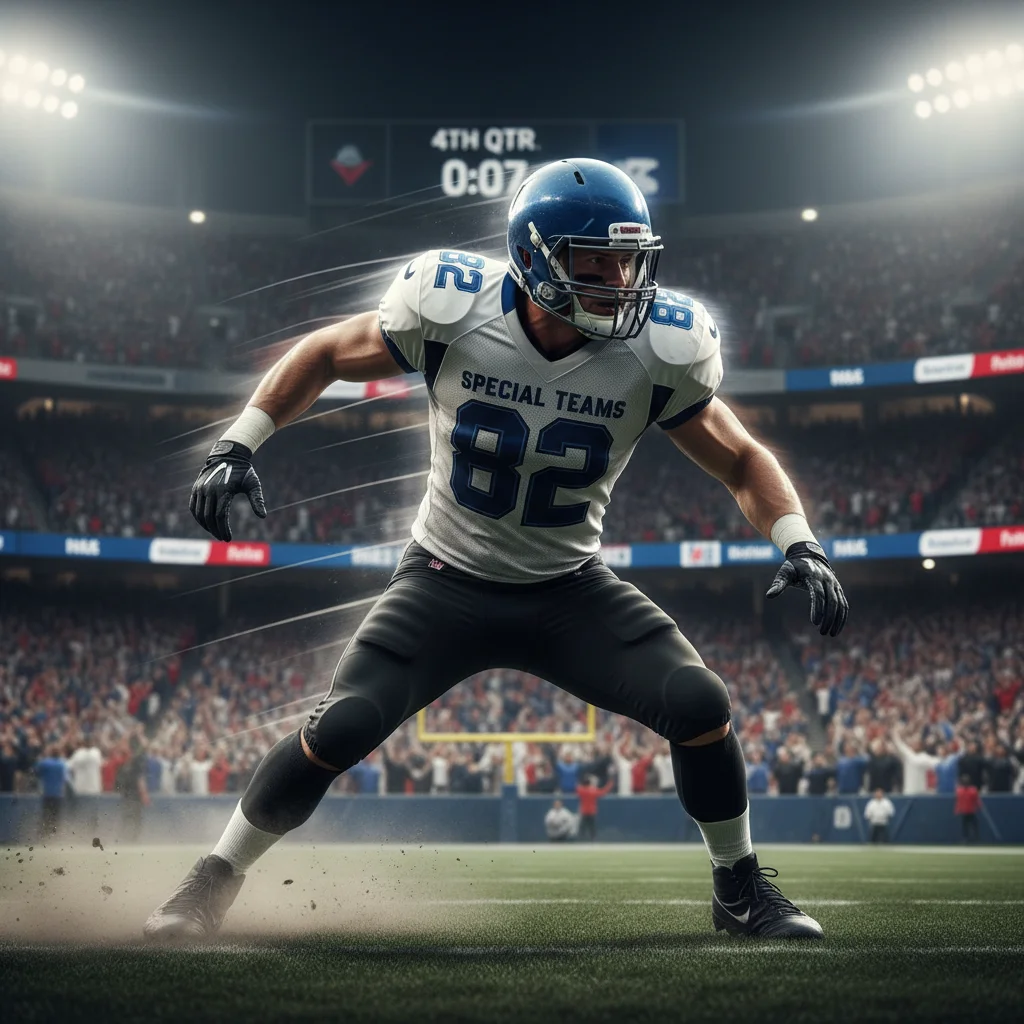
In the fast-paced world of American football, every snap matters, but none perhaps as dramatically as those on special teams. These often-overlooked units frequently decide the outcome of close contests, turning potential losses into thrilling victories. Understanding the critical elements that define game-winning special teams performance is essential for both players and fans. While many factors contribute to success, two stand out as consistently pivotal: precision in execution and unwavering mental toughness.
These two pillars form the bedrock of any truly effective special teams unit. Without precise execution, even the best strategies fall apart. Without mental toughness, players can crumble under pressure, leading to costly mistakes. This article will break down how these factors intertwine and why mastering them is crucial for any team aiming for consistent success in the third phase of the game. Let’s delve into the specifics of what makes game-winning special teams truly special.
Precision in Execution: The Foundation of Special Teams Success
Precision in execution is not just about doing things right; it’s about doing them perfectly, every single time. On special teams, where plays often unfold in mere seconds, there’s little room for error. A missed block by an inch, a kick that’s slightly off-target, or a snap that’s a fraction too slow can have monumental consequences. This demands meticulous attention to detail from every player, from the long snapper to the gunner, ensuring each individual knows their assignment and performs it flawlessly. Coaches spend countless hours drilling these specific movements, emphasizing timing, angles, and contact points until they become second nature.
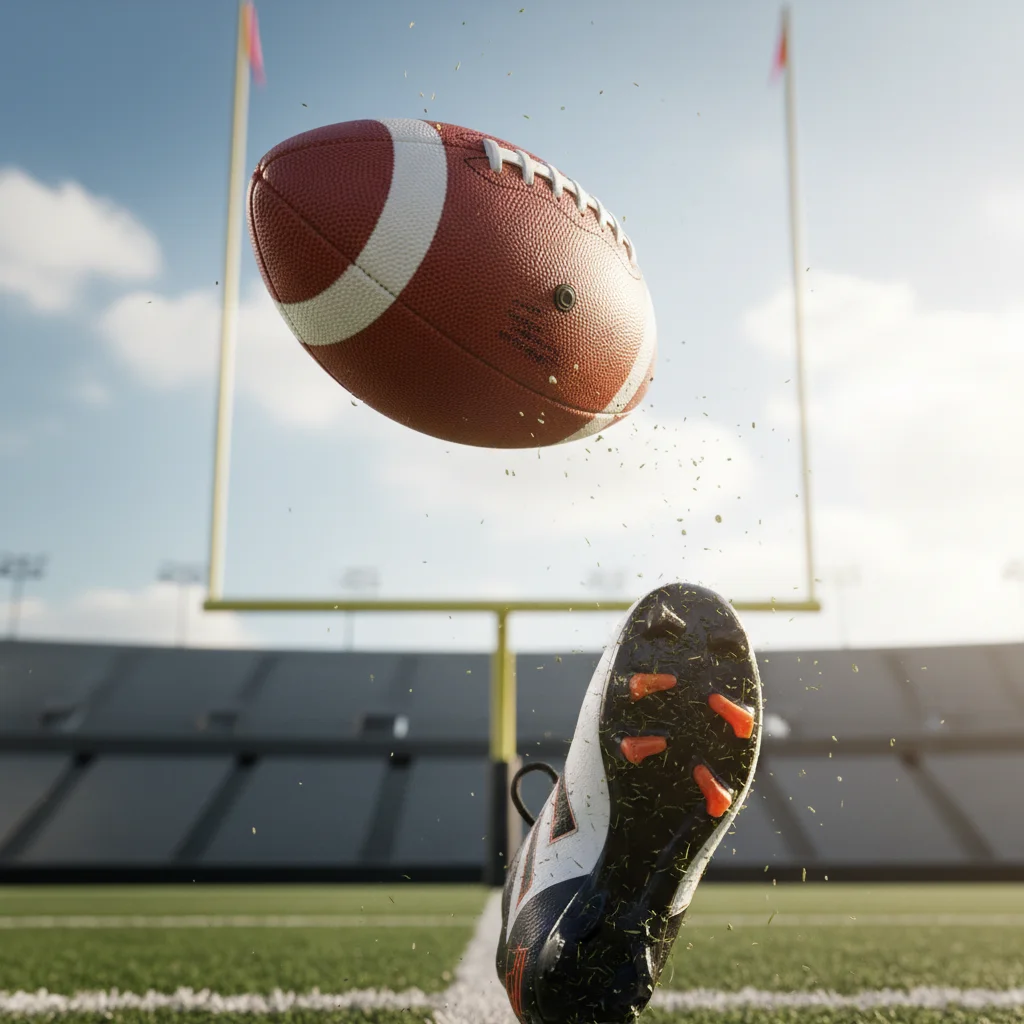
Consider a field goal attempt, for example. The long snapper must deliver the ball accurately and quickly to the holder. The holder must secure the ball cleanly and place it perfectly for the kicker. The kicker then needs to strike the ball with the right power and trajectory to split the uprights. Simultaneously, the blocking unit must hold their assignments to protect against a rush. Any breakdown in this intricate sequence can lead to a missed field goal, potentially costing the team valuable points and momentum. This level of coordinated effort and individual exactness is what separates average special teams from those that consistently deliver game-winning plays.
The pursuit of precision extends beyond just kicking and snapping. On punt and kick returns, returners must hit their lanes exactly as designed, following their blockers with split-second timing. Punters need to place the ball precisely where their coverage unit can down it, minimizing return opportunities. Each player’s role, no matter how small it seems, contributes to the overall success or failure of the play. This collective commitment to exactness is a hallmark of elite special teams units.
Mental Toughness: Thriving Under Pressure on Special Teams
Football is a game of high stakes, and nowhere is the pressure more palpable than on special teams, especially in critical moments. A field goal to win the game as time expires, a punt block that shifts momentum, or a kick return for a touchdown can all define a season. Mental toughness is the ability of players to perform their best when the pressure is at its peak. It involves maintaining focus, controlling emotions, and executing assignments flawlessly, regardless of the game situation or the intensity of the moment. This psychological resilience is a critical factor in achieving game-winning special teams outcomes.
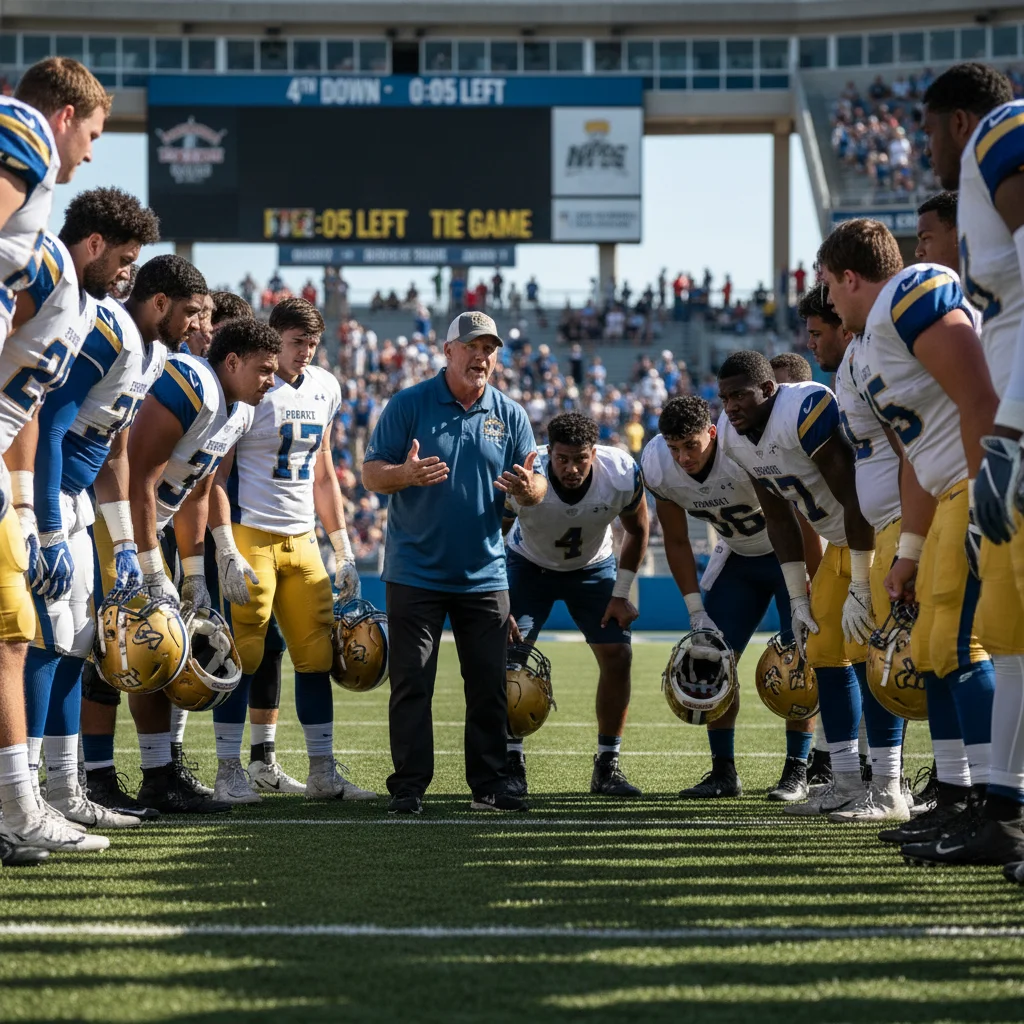
Coaches often emphasize creating high-pressure scenarios in practice to prepare players for real-game situations. Simulating crowd noise, setting up last-second field goal attempts, or challenging players with unexpected defensive looks helps build this mental fortitude. A mentally tough player doesn’t get rattled by a missed kick in the first quarter; they learn from it, regroup, and come back stronger when their number is called again. They trust their training and their teammates, allowing them to remain calm and composed when it matters most.
This mental strength also extends to situational awareness and quick decision-making. On a punt return, a returner might need to quickly adjust their path if a block breaks down. A coverage player might need to shed a block and make an open-field tackle to prevent a big gain. These decisions, made in fractions of a second, require a clear head and an unwavering belief in one’s abilities. Without mental toughness, the fear of failure can paralyze players, leading to hesitation and mistakes that can prove costly.
The Synergy of Precision and Mental Toughness
While precision and mental toughness are distinct factors, their true power emerges when they work in tandem. Imagine a kicker with perfect technique (precision) but who crumbles under the pressure of a game-winning field goal attempt (lack of mental toughness). The perfect technique becomes meaningless. Conversely, a mentally tough kicker who lacks the fundamental precision in their mechanics will likely miss, regardless of their composure. The most effective special teams units cultivate both attributes, understanding that one without the other is insufficient for consistent success.
Coaches play a crucial role in fostering this synergy. They not only teach the precise techniques required for each special teams play but also instill the psychological framework necessary to execute those techniques under duress. This involves building confidence through repetition, creating a supportive team environment, and emphasizing accountability. Players learn to trust their preparation and their teammates, knowing that everyone is committed to the same high standards of execution and resilience. This holistic approach ensures that when a critical moment arises, the team is not only physically capable but also mentally prepared to deliver.
Developing Both Attributes
Repetitive Drills: Consistent practice of specific techniques, often under simulated game conditions, builds muscle memory and confidence.
Situational Scenarios: Running plays in high-pressure, game-like situations helps players adapt to stress and make quick decisions.
Film Study: Analyzing successful and unsuccessful plays, both their own and opponents’, helps refine technique and identify areas for mental improvement.
Positive Reinforcement: Coaches and teammates celebrating good plays and offering constructive feedback on mistakes fosters a growth mindset.
Visualization: Players mentally rehearsing successful outcomes helps build confidence and prepare for key moments.
By focusing on both the physical exactness and the psychological fortitude, teams can develop a special teams unit that is truly formidable. This dual approach is what ultimately leads to those crucial game-winning special teams moments.
Impact on Game Outcomes: Turning the Tide
The ability of special teams to influence game outcomes cannot be overstated. A blocked punt leading to a short field, a long kick return setting up a scoring drive, or a perfectly executed onside kick can completely change the momentum of a game. These plays often occur at pivotal junctures, either extending a lead, sparking a comeback, or sealing a victory. When teams consistently demonstrate game-winning special teams prowess, they gain a significant competitive advantage over their opponents. This impact goes beyond just points on the scoreboard; it affects field position, player morale, and overall team confidence.
Consider a scenario where a team is trailing by a small margin late in the game. A critical punt by their opponent could pin them deep in their own territory, making a comeback attempt incredibly difficult. However, if their punt return unit has developed precision in blocking schemes and a mentally tough returner, they might break free for a significant gain, or even a touchdown. This single play can instantly shift the balance, giving their offense a short field or putting points on the board directly. Such plays are often the difference between a win and a loss, highlighting the immense value of a well-coached and well-executed special teams unit.
Conversely, mistakes on special teams can be equally impactful, but in a negative way. A missed extra point, a penalty on a punt return, or a muffed punt can all lead to devastating consequences. These errors often feel magnified because they occur in isolated, high-leverage situations. Therefore, the commitment to precision and mental toughness not only allows teams to create game-winning plays but also helps them avoid game-losing mistakes. The best teams understand this delicate balance and invest heavily in their special teams units, knowing their potential to turn the tide.
Strategies for Developing Elite Special Teams
Developing elite special teams, capable of consistently delivering game-winning special teams moments, requires a comprehensive and strategic approach from coaching staffs and players alike. It begins with dedicated practice time, treating special teams not as an afterthought, but as a crucial third phase of the game, deserving of its own strategic focus. Coaches must design drills that specifically target the precision required for each role, breaking down complex plays into manageable, repeatable actions. This might include endless repetitions of snapping, holding, and kicking, or intricate blocking schemes practiced against live defenders until they are perfected.
Beyond physical drills, cultivating mental toughness is paramount. This involves creating a culture of accountability and resilience. Coaches can implement psychological training techniques, such as visualization, mindfulness, and stress inoculation, to help players perform under pressure. They should also emphasize clear communication and trust within the unit, ensuring that every player feels confident in their role and the abilities of their teammates. Building this mental fortitude is an ongoing process, requiring constant reinforcement and a willingness to learn from both successes and failures. The goal is to develop players who not only know what to do but also have the composure and confidence to do it when the game is on the line.
Furthermore, effective scouting and personnel allocation are key. Identifying players who possess the physical attributes for special teams (speed, strength, agility) and the mental makeup (focus, determination, composure) is vital. Sometimes, players who aren’t starters on offense or defense can become stars on special teams, finding their niche and excelling in these specialized roles. A well-rounded approach that combines meticulous technical training, robust psychological preparation, and smart personnel decisions is the blueprint for building special teams units that consistently contribute to victory. This comprehensive strategy ensures that when the opportunity arises, the team is ready to execute a game-winning play.
Frequently Asked Questions
What makes special teams so crucial in football?
Special teams are crucial because they often dictate field position, create scoring opportunities, and can dramatically shift game momentum. In close games, a single special teams play, like a blocked punt or a long return, can be the deciding factor between a win and a loss, making them high-leverage situations.
How do coaches foster mental toughness in special teams players?
Coaches foster mental toughness through simulated pressure situations in practice, emphasizing focus and composure. They also build confidence through repetitive drills, clear communication, and a supportive team environment, teaching players to trust their training and rebound from mistakes.
Can a team win consistently without strong special teams?
While a team might win some games without strong special teams, consistent long-term success is challenging. Weak special teams can lead to poor field position, missed scoring chances, and momentum swings against the team, making every game harder to win, especially against tough opponents.
What are some common mistakes on special teams?
Common mistakes include penalties, missed blocks, muffed punts or kickoffs, missed field goals or extra points, and poor coverage allowing big returns. These errors often stem from a lack of precision in execution or a breakdown in mental toughness under pressure.
How much practice time should be dedicated to special teams?
The exact amount varies by team and coach, but successful programs dedicate significant practice time to special teams, treating it as a distinct and vital phase of the game. It’s not uncommon for 15-20% of practice time to be allocated to special teams drills and schemes, especially during game week preparation.
The intricate dance of special teams in American football is far more than just a transitional phase; it is a battleground where games are frequently won and lost. As we’ve explored, the two critical factors for game-winning special teams plays boil down to unwavering precision in execution and profound mental toughness. These aren’t just abstract concepts; they are tangible attributes that coaches meticulously cultivate and players tirelessly refine.
Precision ensures that every snap, kick, block, and tackle is performed with exactness, minimizing errors and maximizing opportunities. Mental toughness allows players to rise above the immense pressure of critical moments, executing their assignments flawlessly when the stakes are highest. When these two elements converge, a special teams unit transforms into a formidable force, capable of swinging momentum, securing vital points, and ultimately, delivering those unforgettable game-winning plays. For any team aspiring to consistent success, investing in the development of both precision and mental toughness within their special teams unit is not merely an option, but a necessity. It’s the difference between a good team and a championship contender, proving that in football, every single phase truly matters.