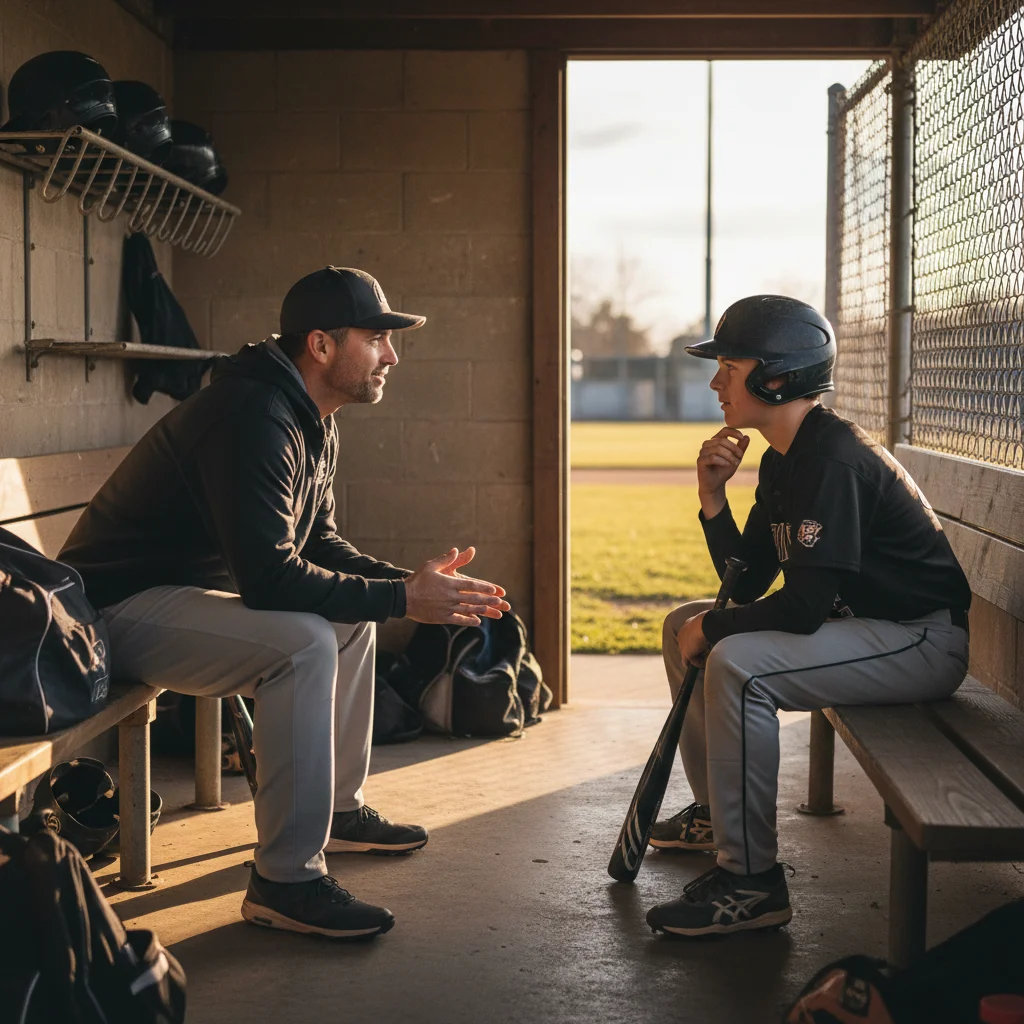
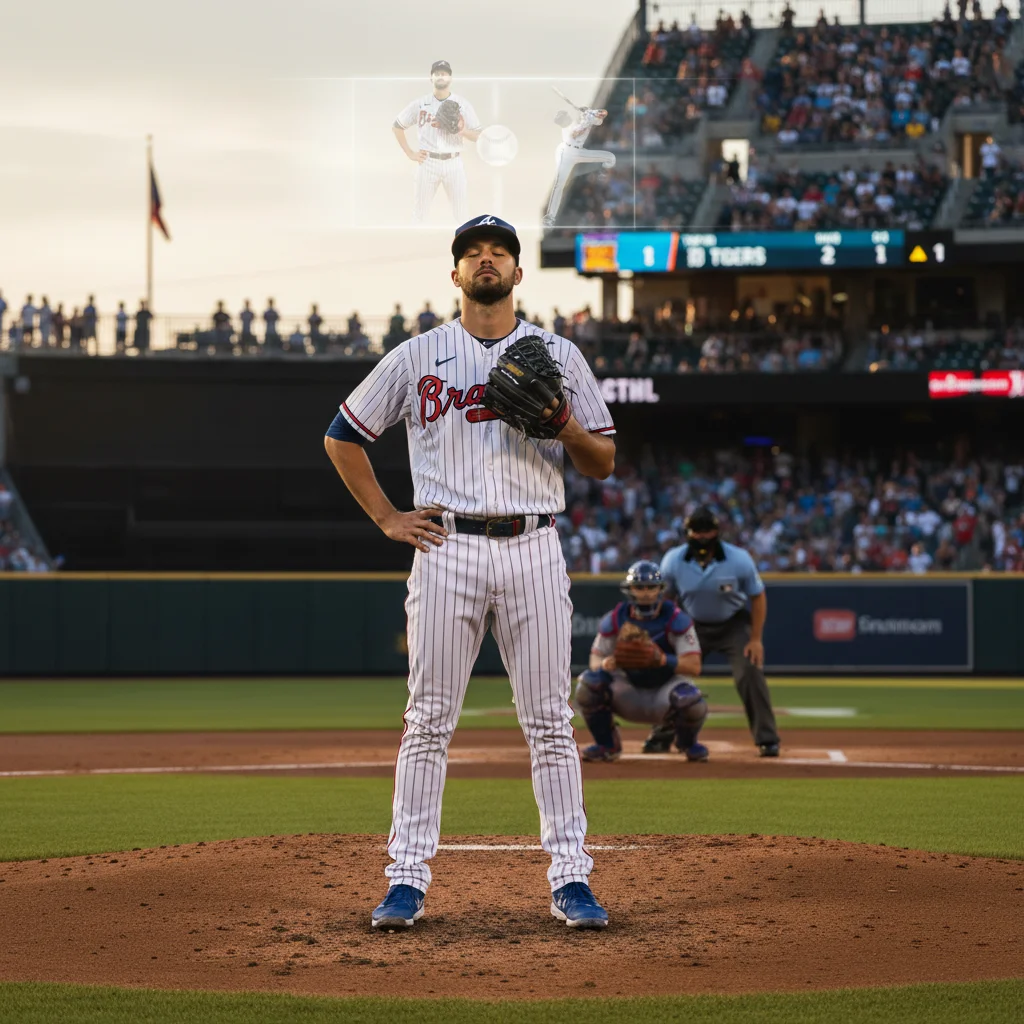
Explore the vital role of sports psychology in elevating baseball player confidence. Learn practical strategies to enhance mental toughness and performance during crucial game moments, ensuring players thrive under pressure.
By: pedropadm2025@gmail.com on agosto 22, 2026
In the demanding world of baseball, where every pitch and every swing can define a moment, the mental game is just as crucial as physical prowess. Boosting baseball player confidence is a cornerstone of success, especially when facing high-pressure situations that can make or break a game. Sports psychology offers invaluable tools and techniques to help athletes develop the mental fortitude needed to perform at their peak, even when the stakes are highest.
Understanding the psychological factors that influence performance can transform an athlete’s career. It’s not just about raw talent; it’s about how that talent is managed under duress. By integrating sports psychology principles, players can learn to control their emotions, focus their attention, and maintain a positive outlook, directly impacting their ability to execute critical plays with unwavering belief in their capabilities. This article will delve into how sports psychology helps baseball players thrive.
Understanding the Mental Game in Baseball
Baseball, more than many other sports, is a game of intense mental battles. From the pitcher’s mound to the batter’s box, players constantly face moments where their thoughts and emotions can either elevate their performance or lead to costly errors. The mental game encompasses a wide array of psychological skills, including focus, emotional regulation, motivation, and, most importantly, confidence. A player might have all the physical skills in the world, but without a strong mental foundation, those skills can falter under pressure. This is where the principles of sports psychology become indispensable, offering structured approaches to developing mental resilience and consistency.
Consider a batter stepping up to the plate in the bottom of the ninth with the bases loaded. The noise from the crowd, the intensity of the opposing pitcher, and the weight of expectation can be overwhelming. In such moments, a player’s self-talk, their ability to visualize success, and their capacity to block out distractions are paramount. These are not innate abilities for everyone; they are skills that can be taught, practiced, and refined through dedicated mental training. Sports psychologists work with athletes to identify their mental strengths and weaknesses, then craft personalized strategies to enhance their psychological toolkit, ensuring they are prepared for any scenario the game throws at them.
The mental game also extends beyond individual moments of pressure. It influences a player’s overall approach to training, their recovery from setbacks, and their ability to stay motivated throughout a long season. By fostering a strong mental game, players can maintain a higher level of consistent performance, reduce anxiety, and cultivate a deeper enjoyment of the sport. This holistic approach to player development recognizes that a healthy mind is just as crucial as a healthy body for sustained success in baseball.
Building Unshakeable Baseball Player Confidence
Confidence is arguably the most vital psychological attribute for any baseball player. It acts as a self-fulfilling prophecy: believing you can succeed often leads to success. However, confidence isn’t simply a feeling; it’s a state that can be actively built and reinforced through specific psychological techniques. Sports psychologists employ various strategies to help players cultivate an unshakeable belief in their abilities, allowing them to perform optimally even in the most challenging situations. This proactive approach ensures that confidence isn’t left to chance but is instead a cultivated asset.
One primary method involves focusing on past successes and positive experiences. By regularly recalling moments of triumph and effective performance, players can strengthen neural pathways associated with competence and achievement. This positive reinforcement helps to counteract negative self-talk and self-doubt, which are common pitfalls for athletes. Additionally, setting realistic yet challenging goals provides a roadmap for progress, and achieving these smaller goals builds momentum and validates a player’s hard work, incrementally boosting their self-belief. It’s about celebrating small victories on the path to larger accomplishments.
Key Strategies for Confidence Building:
Positive Self-Talk: Encouraging players to replace negative thoughts with constructive, empowering statements. For example, instead of ‘Don’t strike out,’ thinking ‘I will hit this ball hard.’
Visualization and Imagery: Guiding athletes to mentally rehearse successful plays, pitches, or at-bats, engaging all senses to make the experience vivid and real. This primes the mind for success.
Mastery Experiences: Creating opportunities for players to repeatedly practice and master specific skills in controlled environments, which directly translates to increased confidence in game situations.
Performance Routines: Developing consistent pre-performance routines that help players feel prepared, focused, and in control before each action, reducing anxiety and promoting a sense of readiness.
By consistently applying these techniques, baseball players can transform their mental landscape, developing a deep-seated confidence that withstands pressure and allows their physical talents to shine through. This mental resilience becomes a powerful competitive advantage.
Managing Pressure in High-Stakes Moments
High-pressure situations are an inherent part of baseball, from a tie-breaking pitch in the bottom of the ninth to a crucial at-bat with runners in scoring position. How a player responds to these moments often determines the outcome of the game. The ability to manage pressure effectively is not just about staying calm; it’s about harnessing the heightened arousal that comes with pressure and channeling it into focused, productive action. Sports psychology provides a toolkit of strategies specifically designed to help players perform under intense scrutiny, transforming potential anxiety into peak performance opportunities.
One foundational technique is controlled breathing. When under pressure, the body’s natural response is to tense up, and breathing becomes shallow and rapid. By teaching players deep, diaphragmatic breathing exercises, sports psychologists help them to activate the parasympathetic nervous system, promoting relaxation and clarity of thought. This simple yet powerful tool can quickly reduce physiological symptoms of anxiety, allowing players to regain composure and make better decisions. It’s about creating a moment of calm amidst the chaos, a mental reset button.
Another critical aspect is reframing thoughts. Often, players interpret pressure as a threat, leading to fear of failure. Sports psychologists guide athletes to reframe these thoughts, viewing pressure as a challenge and an opportunity to excel. This cognitive restructuring shifts the focus from potential negative outcomes to the excitement of competing and demonstrating one’s skills. By changing their perspective, players can approach high-stakes situations with a proactive, confident mindset rather than a defensive, anxious one. This mental shift is crucial for consistent performance when it matters most.
Moreover, developing robust pre-performance routines is essential. These routines are a sequence of consistent actions a player takes before a significant event, such as stepping into the batter’s box or taking the mound. The routine provides a sense of control and familiarity, helping to anchor the player’s focus and reduce uncertainty in a chaotic environment. It creates a mental bubble where the player can concentrate solely on the task at hand, blocking out external distractions and internal anxieties. By following these established patterns, players can consistently access their optimal performance state, even when the lights are brightest.
The Role of Visualization and Imagery Training
Visualization and imagery training are powerful techniques within sports psychology that significantly contribute to boosting baseball player confidence and performance. This involves mentally rehearsing specific actions, scenarios, or entire game sequences in vivid detail, engaging all senses. It’s not just about seeing the action; it’s about feeling the bat connect with the ball, hearing the roar of the crowd, and experiencing the emotion of success. By regularly engaging in these mental practices, players can effectively program their minds for success, making desired outcomes feel more attainable and familiar.
For a hitter, visualization might involve repeatedly seeing themselves hitting a fastball into the gap, rounding the bases, and celebrating with teammates. For a pitcher, it could be envisioning themselves throwing a perfect strikeout pitch, feeling the grip of the ball, and seeing it hit the catcher’s mitt. These mental repetitions create a ‘muscle memory’ in the brain, even without physical movement. When players step onto the field, these visualized experiences can kick in, making the real action feel less daunting and more natural, almost as if they’ve done it a hundred times before.
Beyond skill execution, imagery training also plays a crucial role in managing emotions and building resilience. Players can visualize themselves successfully navigating challenging situations, recovering from errors, or maintaining composure under intense pressure. This prepares them mentally for adversity, reducing the shock and emotional impact when such events occur in real games. It fosters a proactive rather than reactive mindset, allowing players to maintain their focus and confidence even when things don’t go exactly as planned. This mental rehearsal is a critical component of comprehensive mental preparation.
The effectiveness of visualization stems from the brain’s inability to fully distinguish between a vividly imagined event and a real one. When a player consistently visualizes success, their brain creates neural pathways that reinforce positive outcomes and strengthen self-belief. This process not only enhances confidence but also improves concentration, reduces anxiety, and refines motor skills. Integrating regular visualization sessions into a player’s training regimen can therefore lead to measurable improvements in both their mental and physical game, providing a significant edge over competitors who neglect this powerful mental tool.
Integrating Mental Training into Daily Practice
For sports psychology to truly impact baseball player confidence and performance, its principles must be seamlessly integrated into a player’s daily practice routine, not just reserved for occasional sessions. Mental training should be viewed as an integral part of physical conditioning, just like batting practice or fielding drills. This consistent application helps to build lasting mental habits and reinforces the psychological skills necessary for high-level play. Making mental training a regular part of practice ensures that these skills become second nature, accessible when they are most needed during games.
Coaches play a pivotal role in this integration. By incorporating short mental exercises into warm-ups, cool-downs, or even during breaks in practice, they can normalize mental training and demonstrate its importance. For instance, before a batting cage session, a coach might lead players through a brief visualization exercise focused on hitting specific pitches. During fielding drills, they could encourage players to practice positive self-talk after a missed catch, emphasizing learning and resilience rather than dwelling on the mistake. These small, consistent efforts compound over time, creating a mentally tougher team.
Players themselves can also take ownership of their mental development. This involves dedicating specific time each day to mental exercises, much like they would for physical workouts. This might include 10-15 minutes of mindfulness meditation to improve focus, journaling to process thoughts and emotions, or reviewing game footage with a mental coach to analyze their responses to pressure. The key is consistency and intentionality. Just as physical muscles grow stronger with regular exercise, mental muscles are strengthened through consistent, deliberate practice. This commitment ensures that mental skills are sharp and ready for game day.
Furthermore, post-practice reflection is crucial. After each training session, players can spend a few minutes reflecting on their mental performance: what went well, what challenges they faced, and how they responded. This self-assessment fosters self-awareness and helps players identify areas for improvement in their mental game. By treating mental training with the same seriousness and dedication as physical training, baseball players can unlock their full potential, ensuring they are not only physically prepared but also mentally invincible when it counts the most. This holistic approach leads to sustained success and a more resilient athlete.
Frequently Asked Questions
What is sports psychology in baseball?
Sports psychology in baseball focuses on applying psychological principles to enhance player performance, well-being, and overall experience in the sport. It addresses mental aspects like confidence, focus, motivation, and managing pressure, helping players optimize their mental game.
How does confidence impact a baseball player’s performance?
Confidence directly impacts performance by influencing a player’s decision-making, physical execution, and resilience. High confidence leads to more aggressive and effective play, reduces hesitation, and helps players recover quickly from mistakes, especially in critical moments.
Can mental training really improve physical skills?
While mental training doesn’t directly build muscle, it significantly improves the application of physical skills. By enhancing focus, reducing anxiety, and improving decision-making, mental training allows players to execute their physical skills more consistently and effectively under pressure.
What are common mental challenges baseball players face?
Baseball players commonly face challenges such as performance anxiety, slumps, fear of failure, difficulty maintaining focus over long games, and managing expectations. Sports psychology provides strategies to overcome these obstacles, fostering mental toughness.
How long does it take to see results from sports psychology training?
The time to see results varies by individual and consistency of effort. Some players experience immediate improvements in managing anxiety or focus, while deeper changes in confidence and resilience develop over weeks or months of consistent mental practice and application.
The journey of a baseball player is filled with highs, lows, and countless moments where mental strength is tested. Boosting baseball player confidence through the strategic application of sports psychology is no longer a luxury but a fundamental component of achieving sustained success. As we’ve explored, techniques like positive self-talk, visualization, and effective pressure management are not just abstract concepts; they are practical, actionable strategies that empower athletes to perform at their best when it matters most.
By integrating mental training into daily routines, players can cultivate a resilient mindset that withstands the pressures of the game, allowing their physical talents to shine through consistently. Coaches, parents, and players alike can benefit from understanding and implementing these psychological tools, fostering an environment where mental well-being and performance go hand in hand. Embracing sports psychology means investing in a player’s holistic development, equipping them with the mental fortitude to not only excel on the field but also to navigate the broader challenges of competition and life. The mental edge is often the deciding factor, and with proper psychological support, every player has the potential to unlock their peak performance and truly thrive under pressure.
Peter B holds a degree in Journalism and has 5 years of experience covering U.S. economic policy, labor markets, and financial news. He writes data-driven news content on topics like inflation, interest rates, and employment trends.